
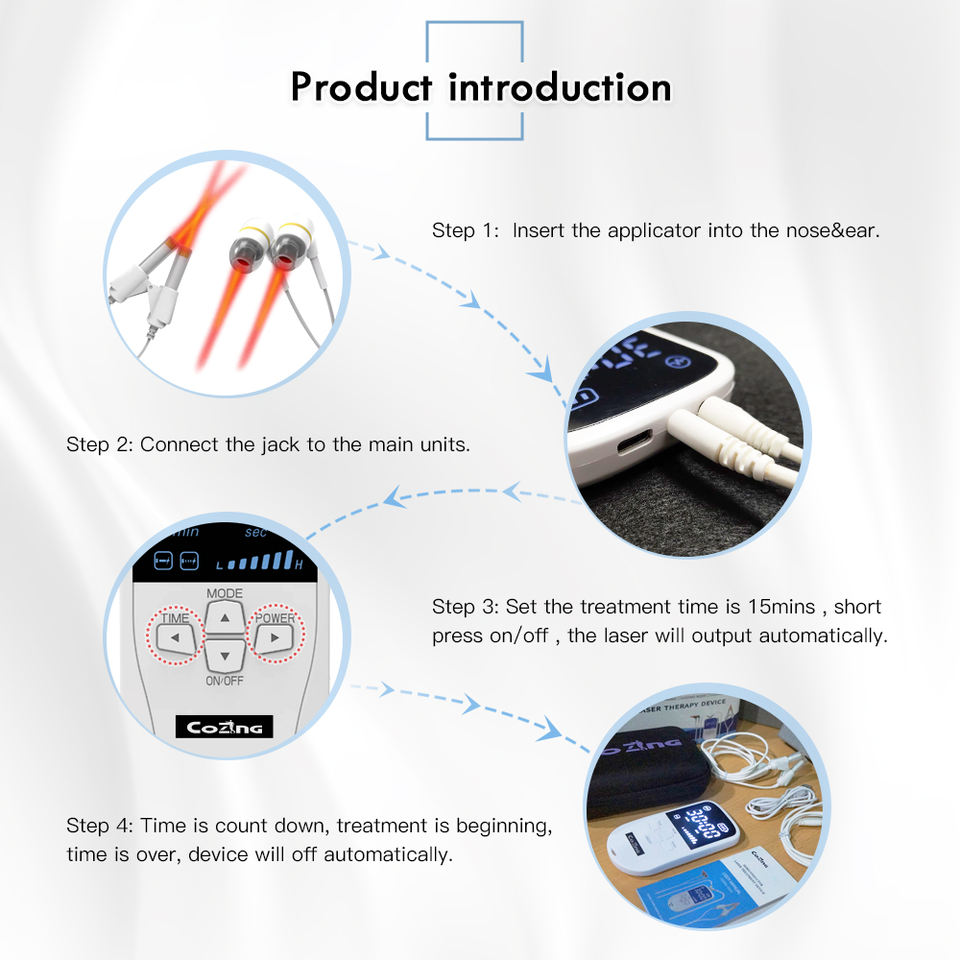
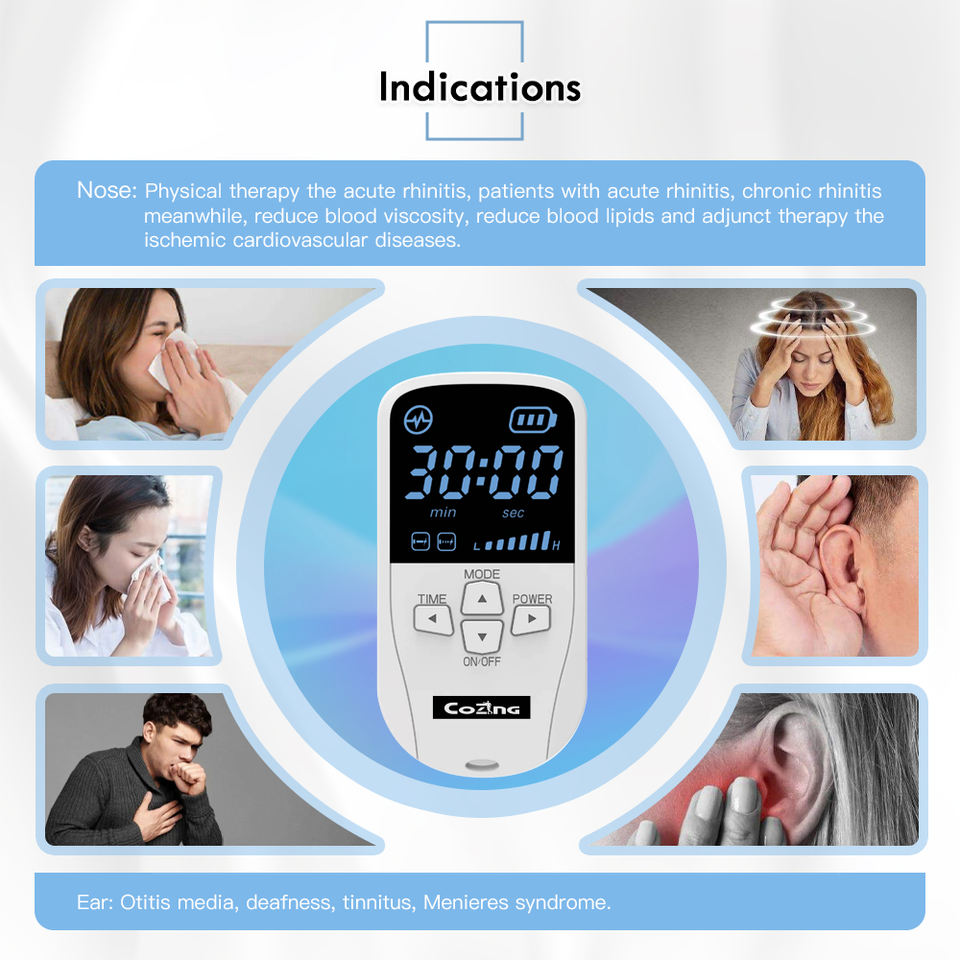


Technical Parameters


Function and Performance:
Reducing blood viscosity
accelerating the blood circulation within the nasal tissues
enhancing local blood oxygen saturation
accelerating the absorption and metabolism of nasal tissue to inflammatory substances
eliminating and reducing the nasal obstruction caused by nasal swelling
Promoting the secretion of lysozyme and phagocytes within the nasal mucosa
improving the immunization and sterilization function of the nasal mucosa
improving the nasal antivirus/germs ability and the antianaphylaxis ability
accelerating the convergence of the damaged nasal mucosa
repairing damaged blood capillary and prevent the regular nosebleed
accelerating and improving the swinging of cilia on the nasal mucosa
enhancing the nasal function and strengthening the detoxification ability of the nasal mucosa

Product Features
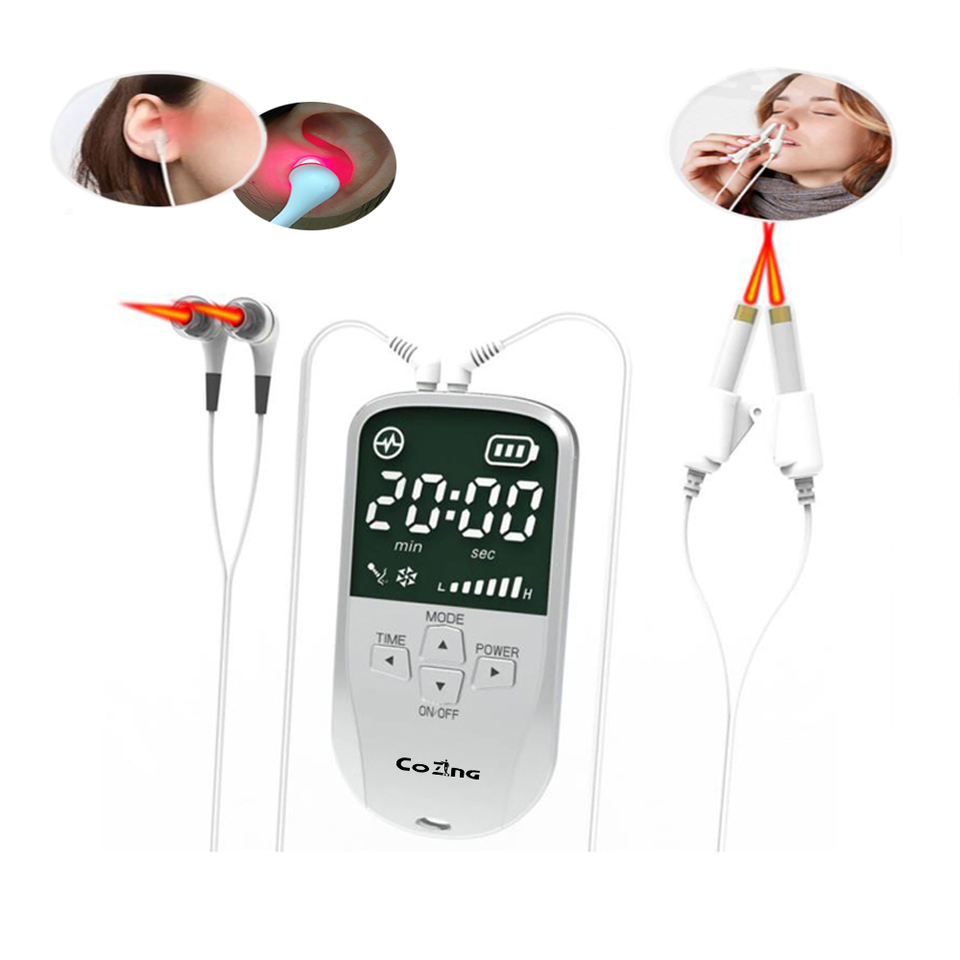
Small size and portable, can be used at anytime and anywhere.
2. Dual output capability so as to be used simultaneously by two people.
3. High-class and durable metal enclosure which is conducive to heat diffusion for stable power.
4 Specially added laser stabilizer.
5. High-capacity lithium battery
6. High quality import laser head with long life span.
7. Two output modes: Pulse and Continuous, can be switched manually or automatically.
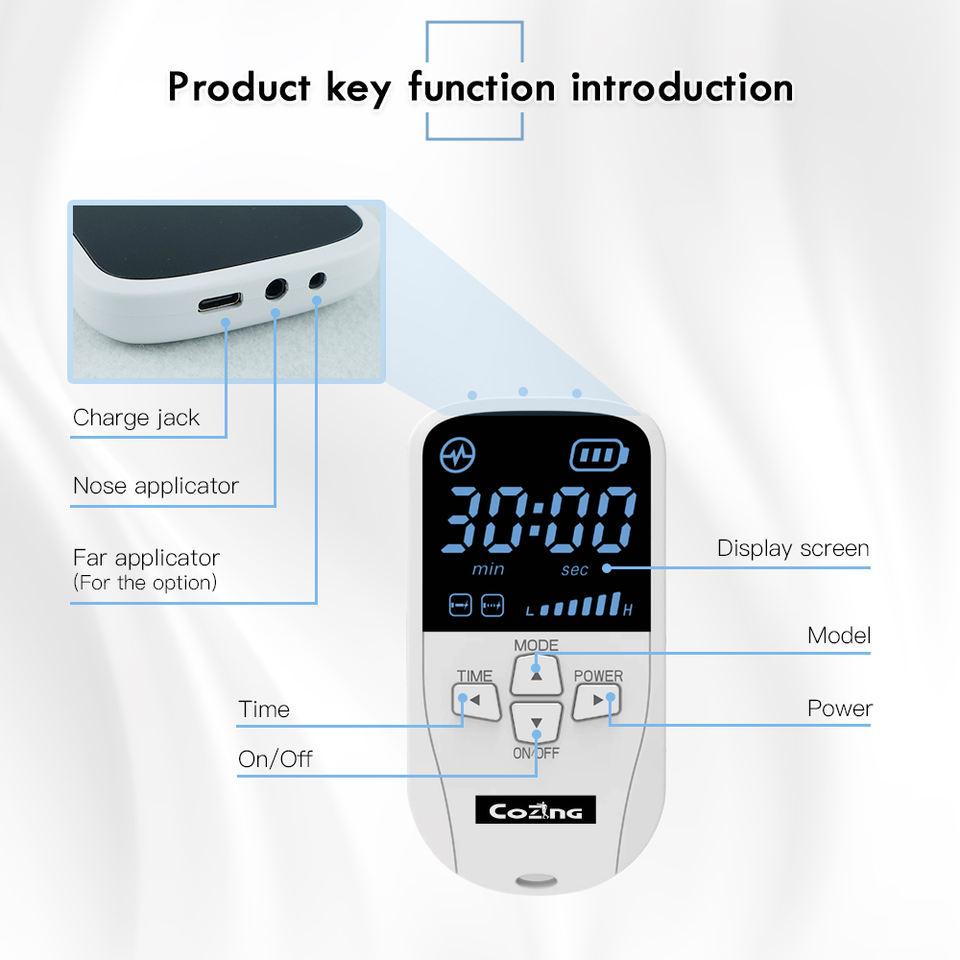
8. Adjustable treatment time/power.
9. Wavelength can be 650nm into one nasal wire
Treatment Principle
How does laser treat rhinitis? (Nasal Applicator)
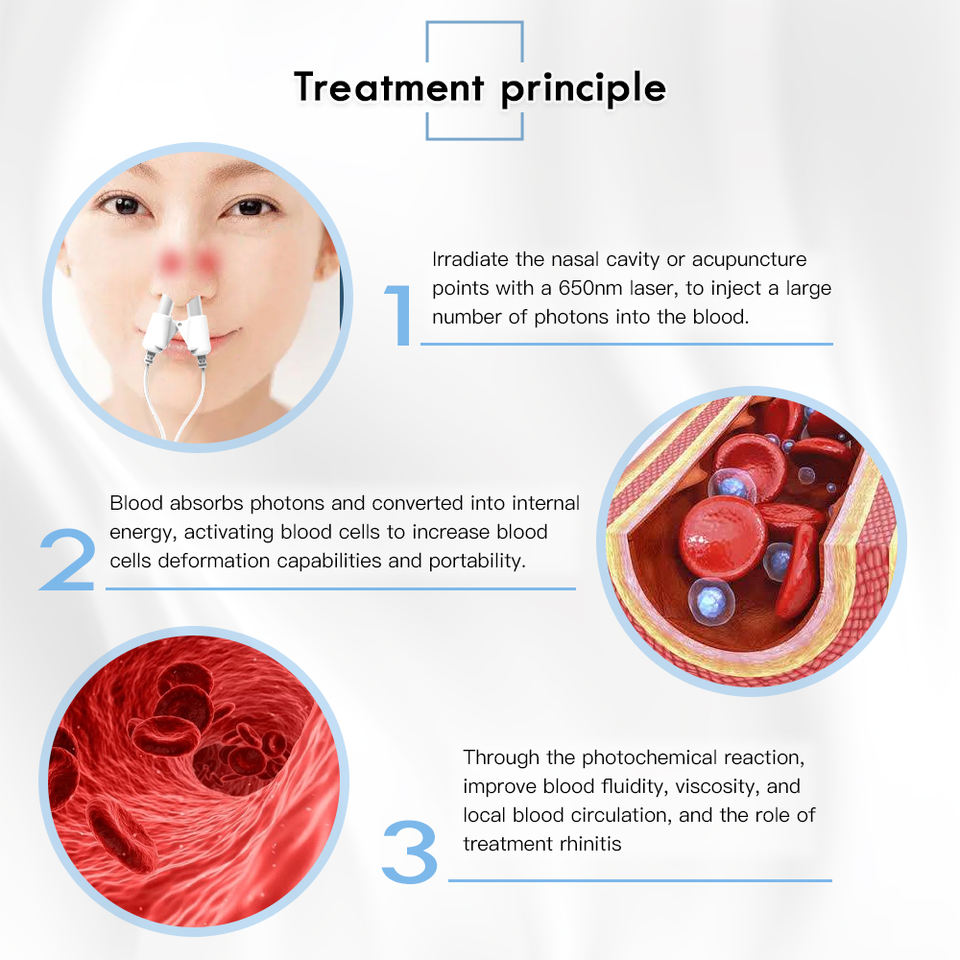
The Rhinitis Therapeutic Instrument mainly adopts the special soft laser light (650nm) which can penetrate the nasal mucosa of the human body.
The soft laser light is featured mild working rate and could be fully and safety absorbed by the nasal tissue of the human body.
This kind of laser light has a special repair function to the nasal mucosa of the rhinitis patients.
The repaired nasal mucosa could secrete antibacterial material including lysozyme as normal mucosa and restart the normal cleaning function of the swinging cilia on the nasal mucosa.
The treatment method of the Rhinitis Therapeutic Instrument is based on the fundamental principle of repairing and improving the body's natural immune system.
Quickly remediate the wounded surface through irradiating the surface of the damaged mucous membrane; improve the partial blood circulation around the nasal cavities and the immunological
competence of the nasal mucosa membranes through irradiating the nasal mucosa, thereby playing a good role in treating allergic rhinitis, chronic rhinitis, nasal sinusitus and the like.
Clinical Result
After about 30 minsirradiation treatment, blood-red cells will be activated, become single, active, healthy and normal.
After about 30 daysAfter treatment, symptoms such as headache, dizziness, chest tightness, numbness, and tinnitus will disappear.
After about 3 monthsof treatment, you can do blood detect, or CT detect, high blood pressure, high blood viscosity, high cholesterol will get back to a normal level. Otitis Media deafness, tinnitus or Meniere's syndrome will have a big improvement.
How does the laser treat tinnitus? (Ear Applicator)
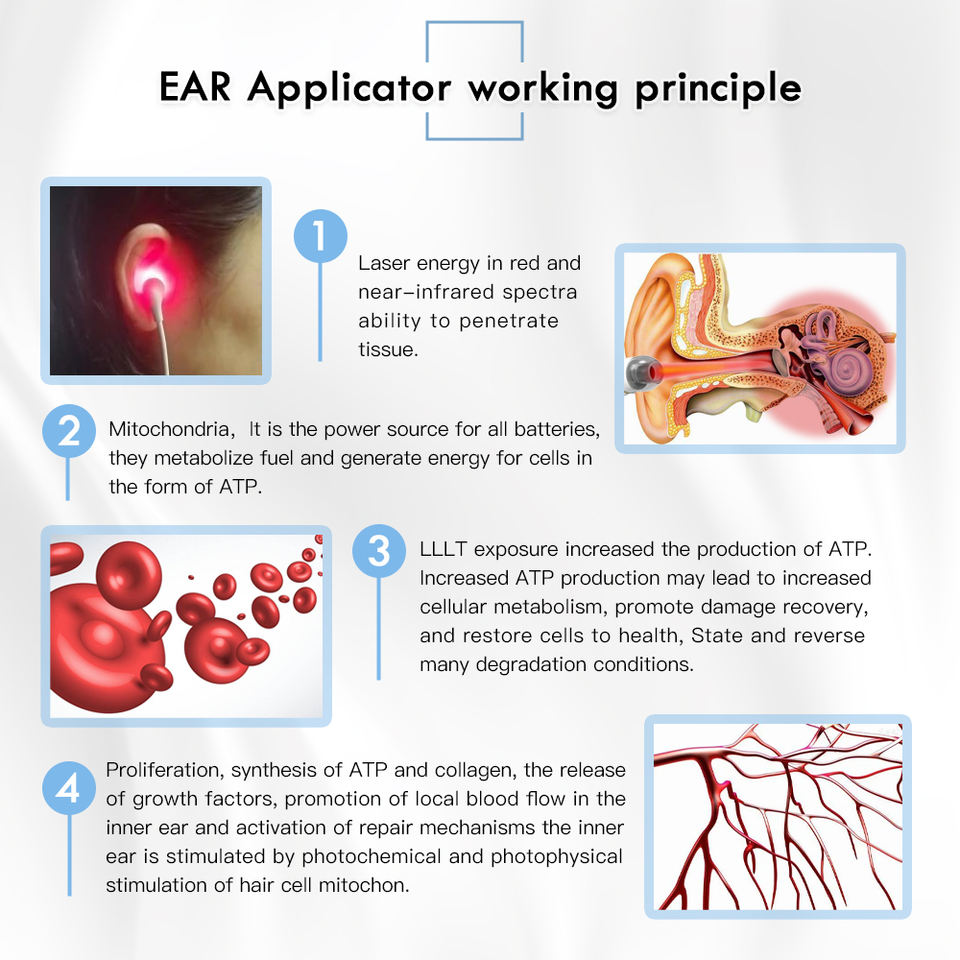
1. The prevailing view is that the respiratory chain plays a central role in the effects of laser treatment. Laser energy in red
and near-infrared spectra ability to penetrate tissue. It stimulates mitochondria in cells to produce energy by producing
adenosine triphosphate (ATP).
2. Mitochondria, It is the power source for all batteries, they metabolize fuel and generate energy for cells in the form of ATP.
3. According to reports, LLLT exposure increased the production of ATP. Increased ATP production may lead to increased cellular
metabolism, promote damage recovery, and restore cells to health, State and reverse many degradation conditions.
4. For ear diseases, low-intensity lasers have been reported to alter collagen tissue in the cochlea. Especially in the basement
membrane. Besides, LLLT has a beneficial effect on the recovery of cochlear hair cells after acute hair loss, which can increase
cells.
5. Proliferation, synthesis of ATP and collagen, the release of growth factors, promotion of local blood flow in the inner ear and
activation of repair mechanisms the inner ear is stimulated by photochemical and photophysical stimulation of hair cell mitochon.