
Essential details
Shipping:Express delivery
Product Introduction


Product details
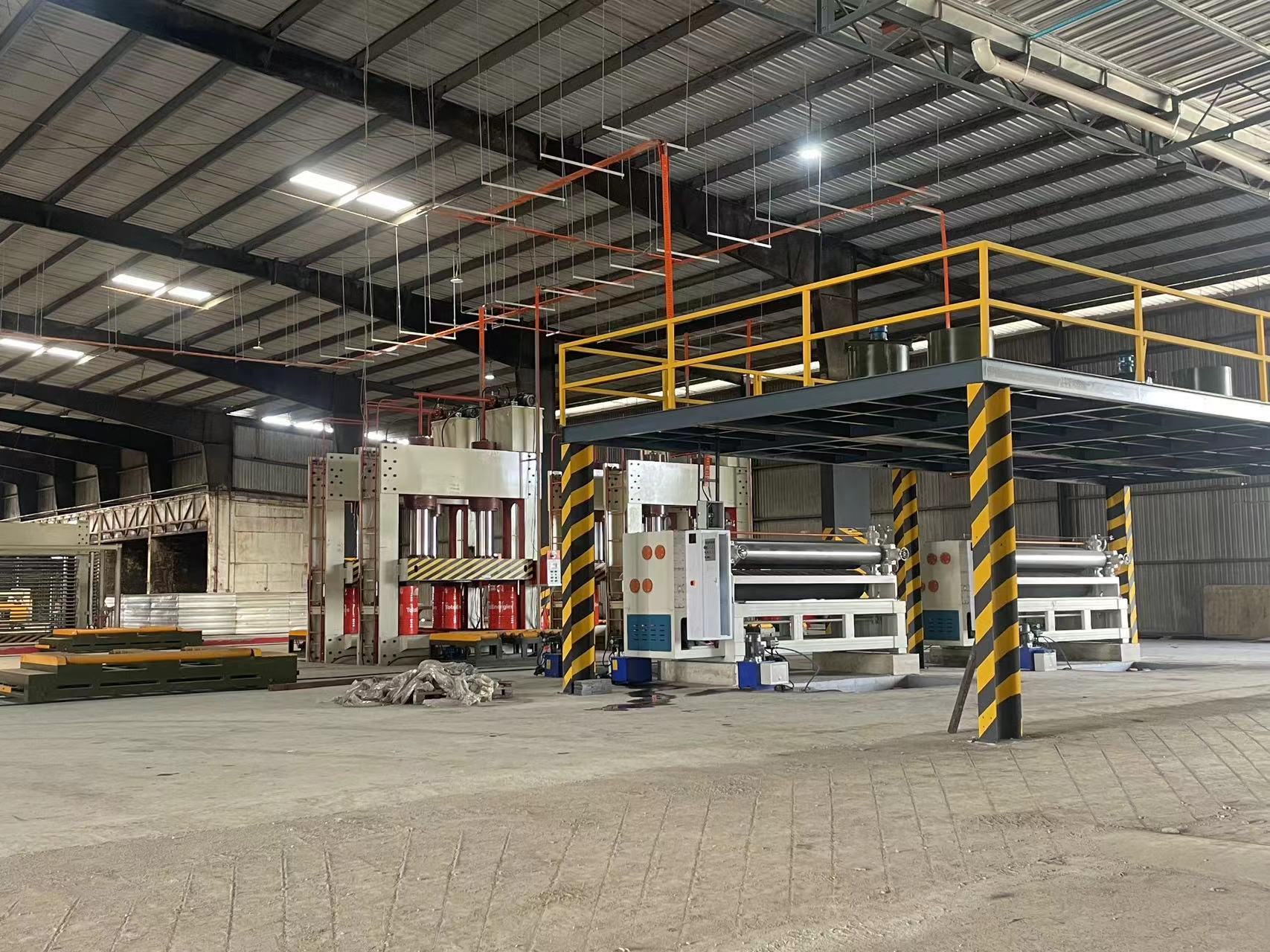
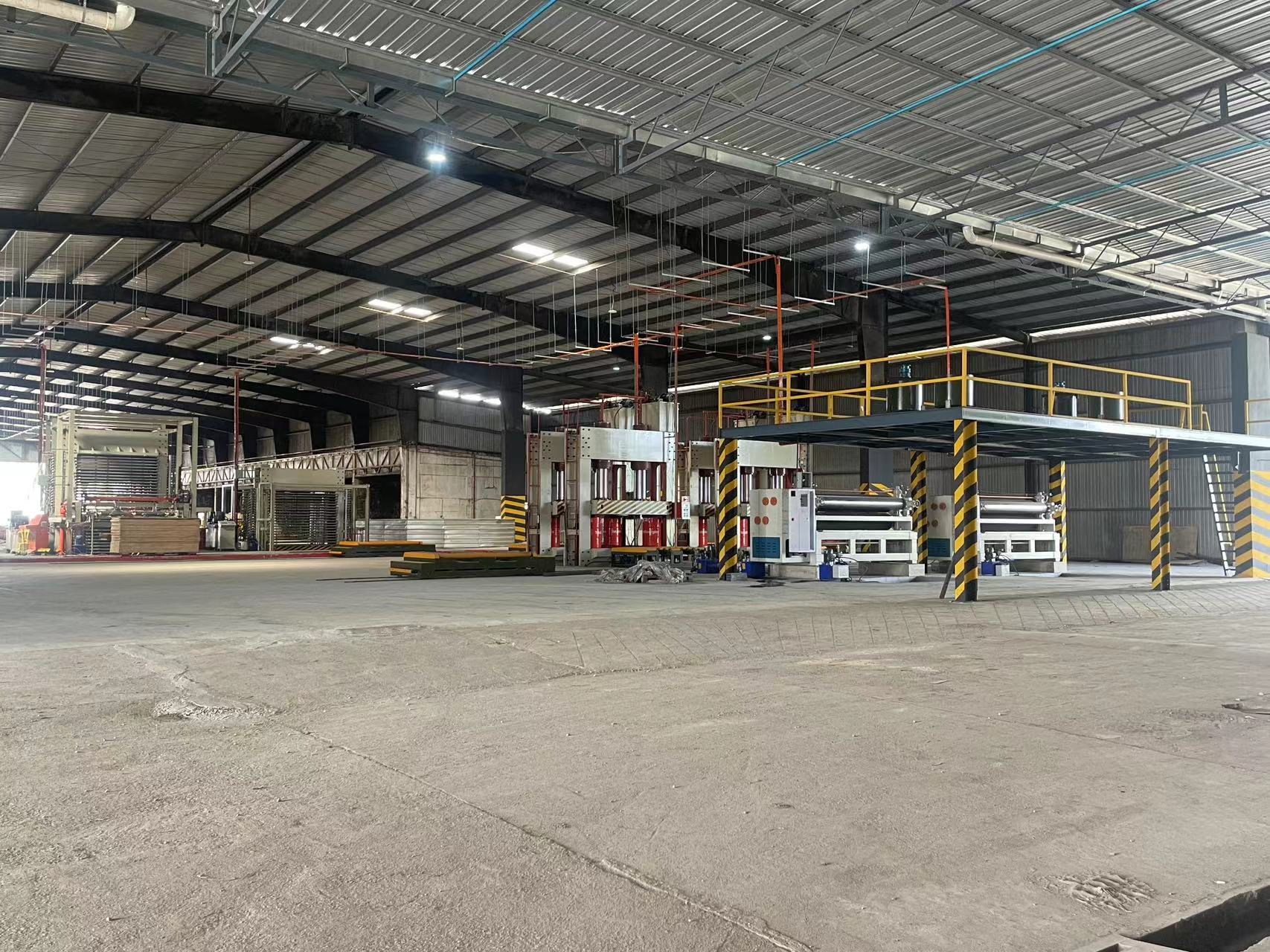
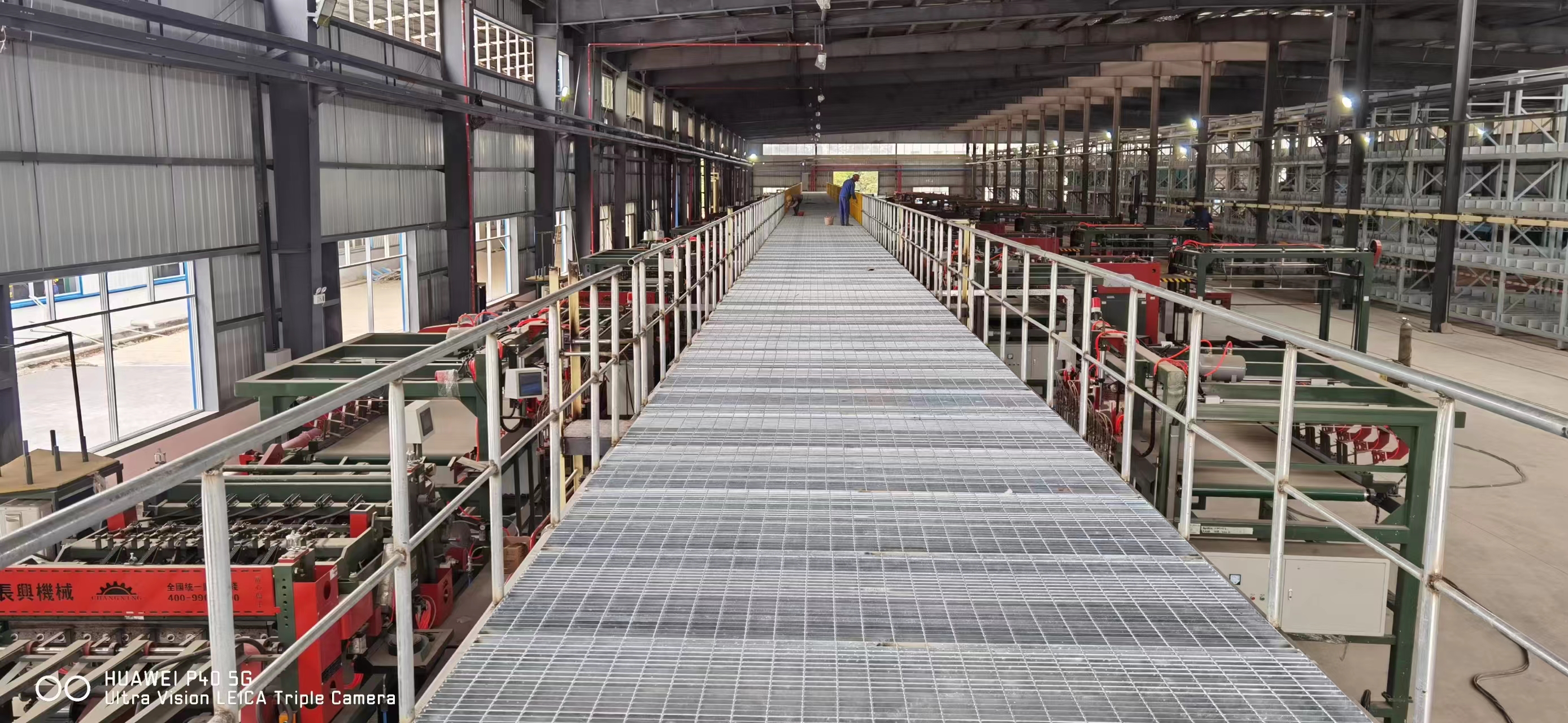
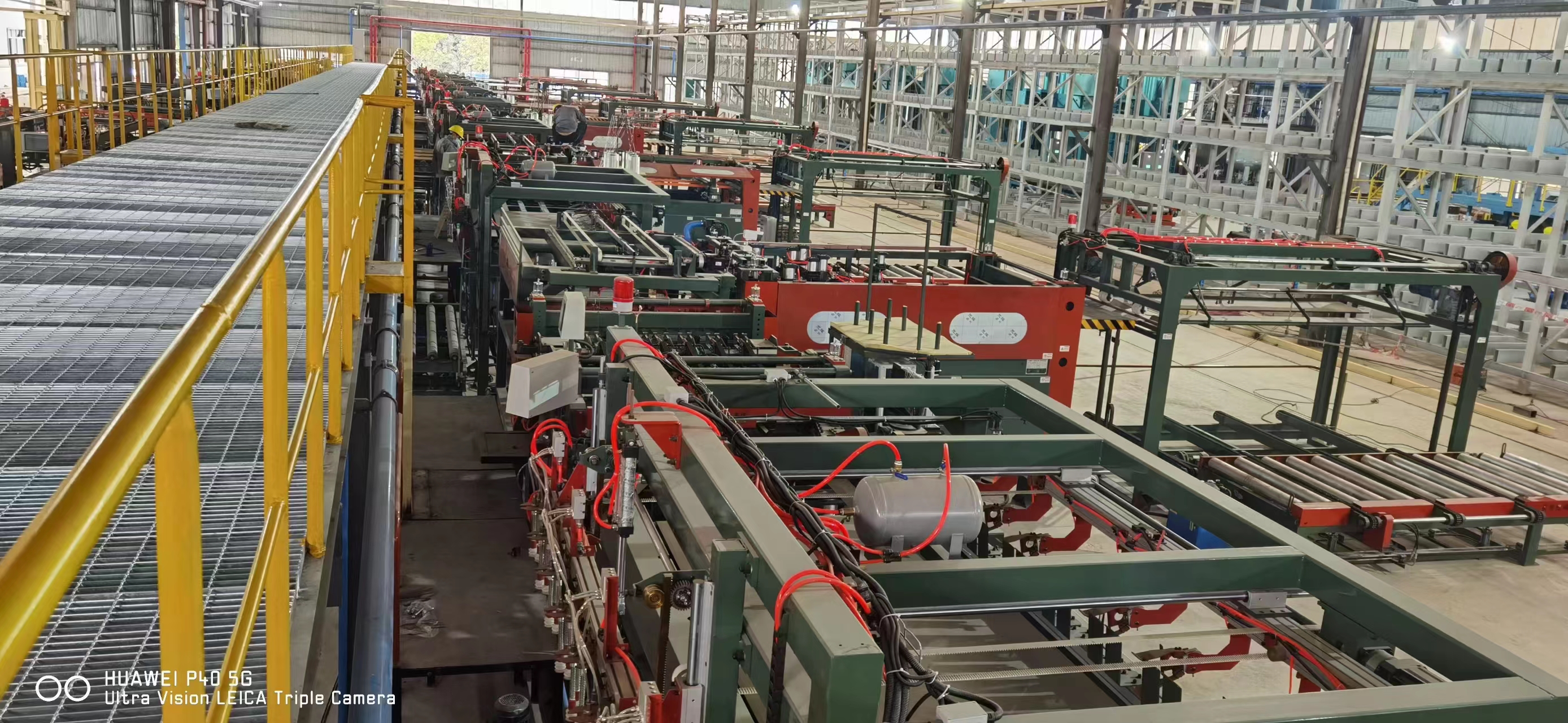
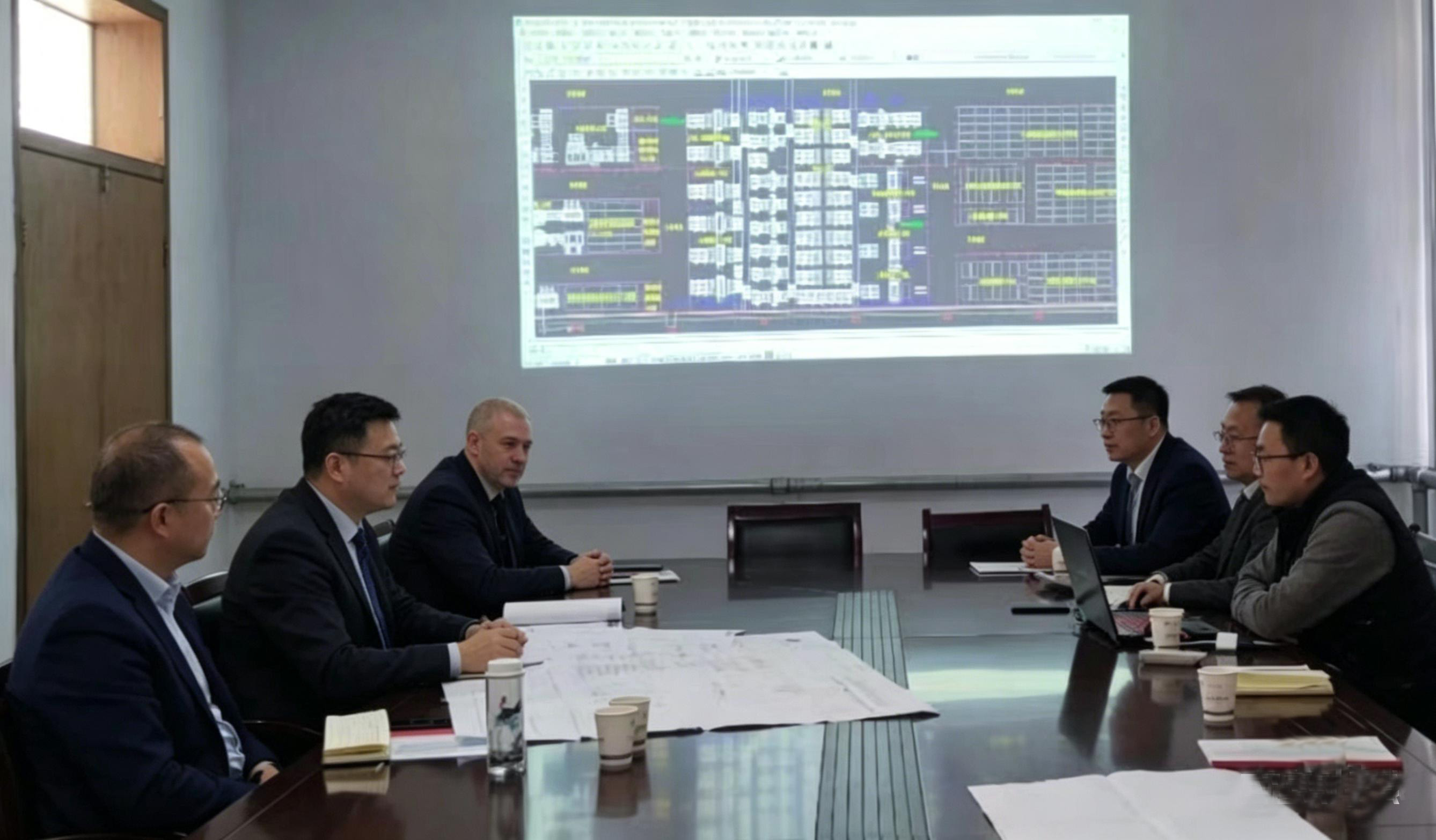

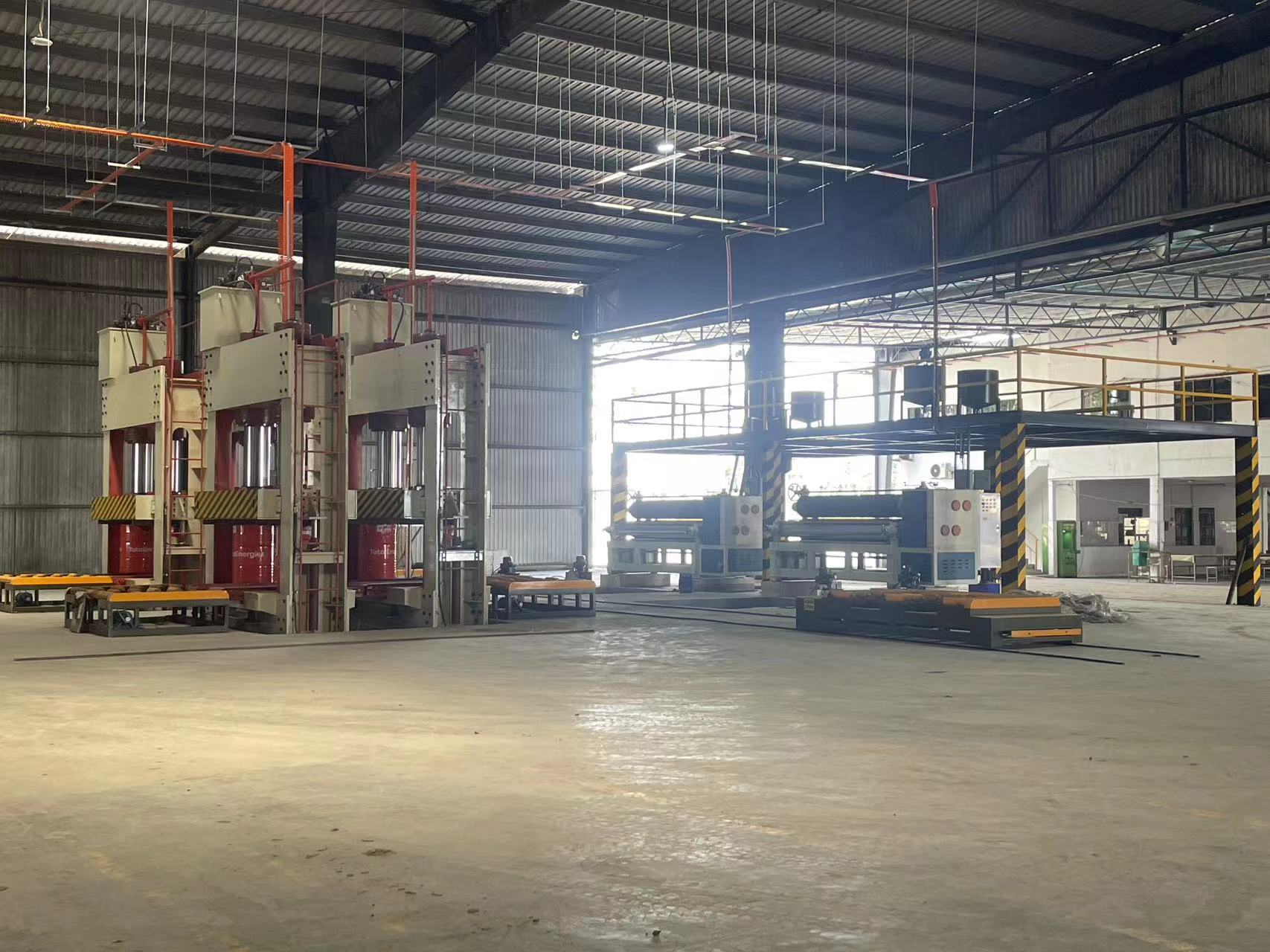
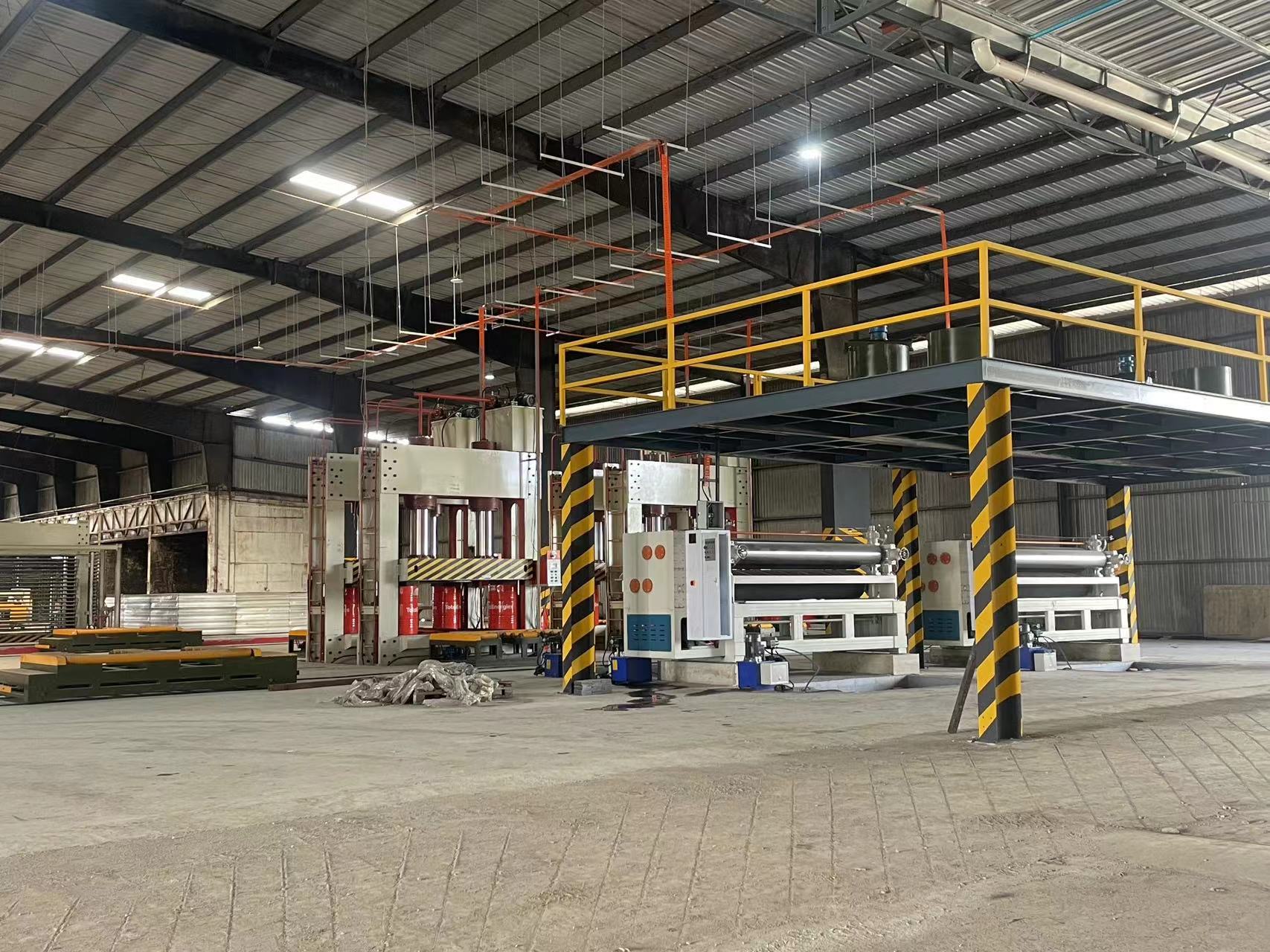
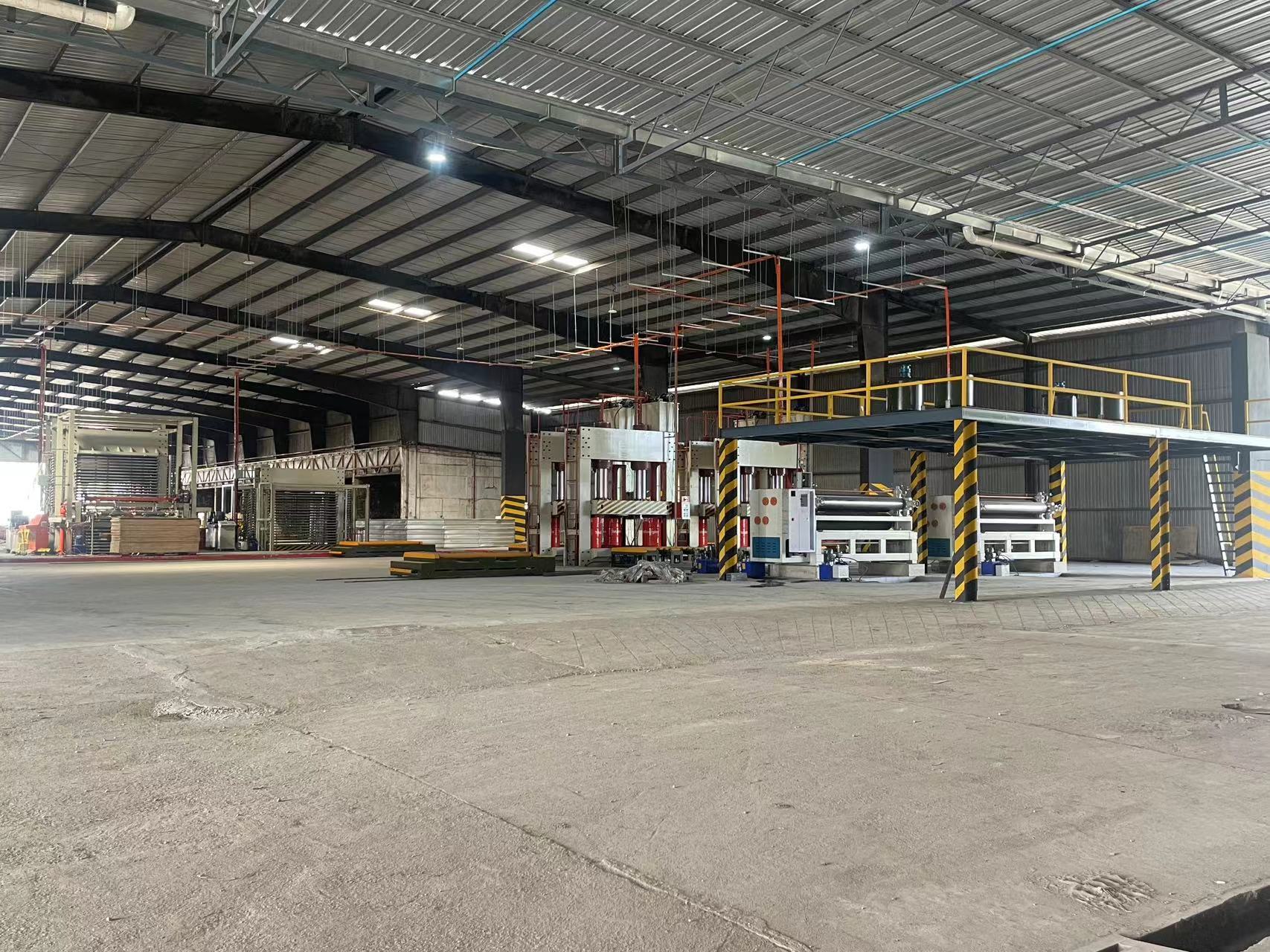
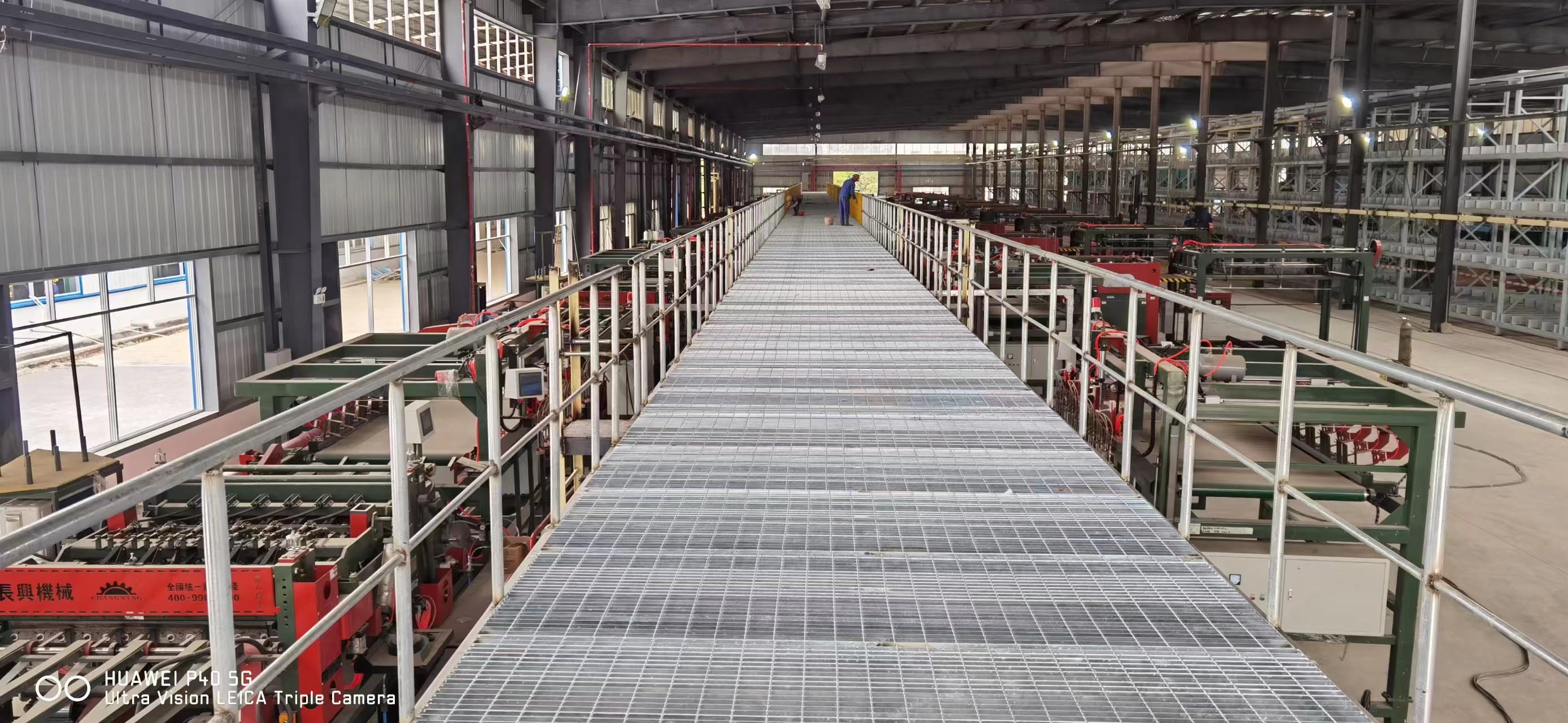
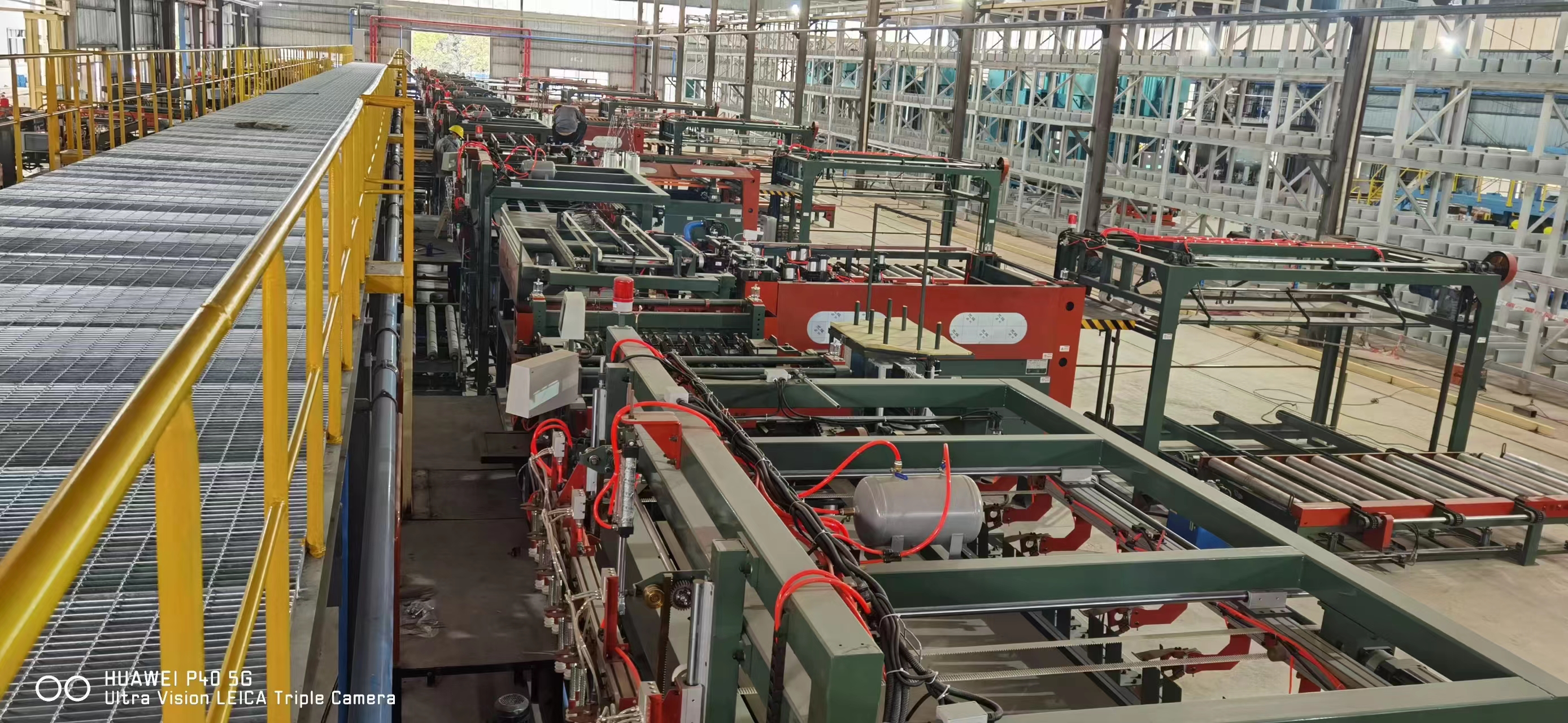
We provide one-stop solutions for panel production.
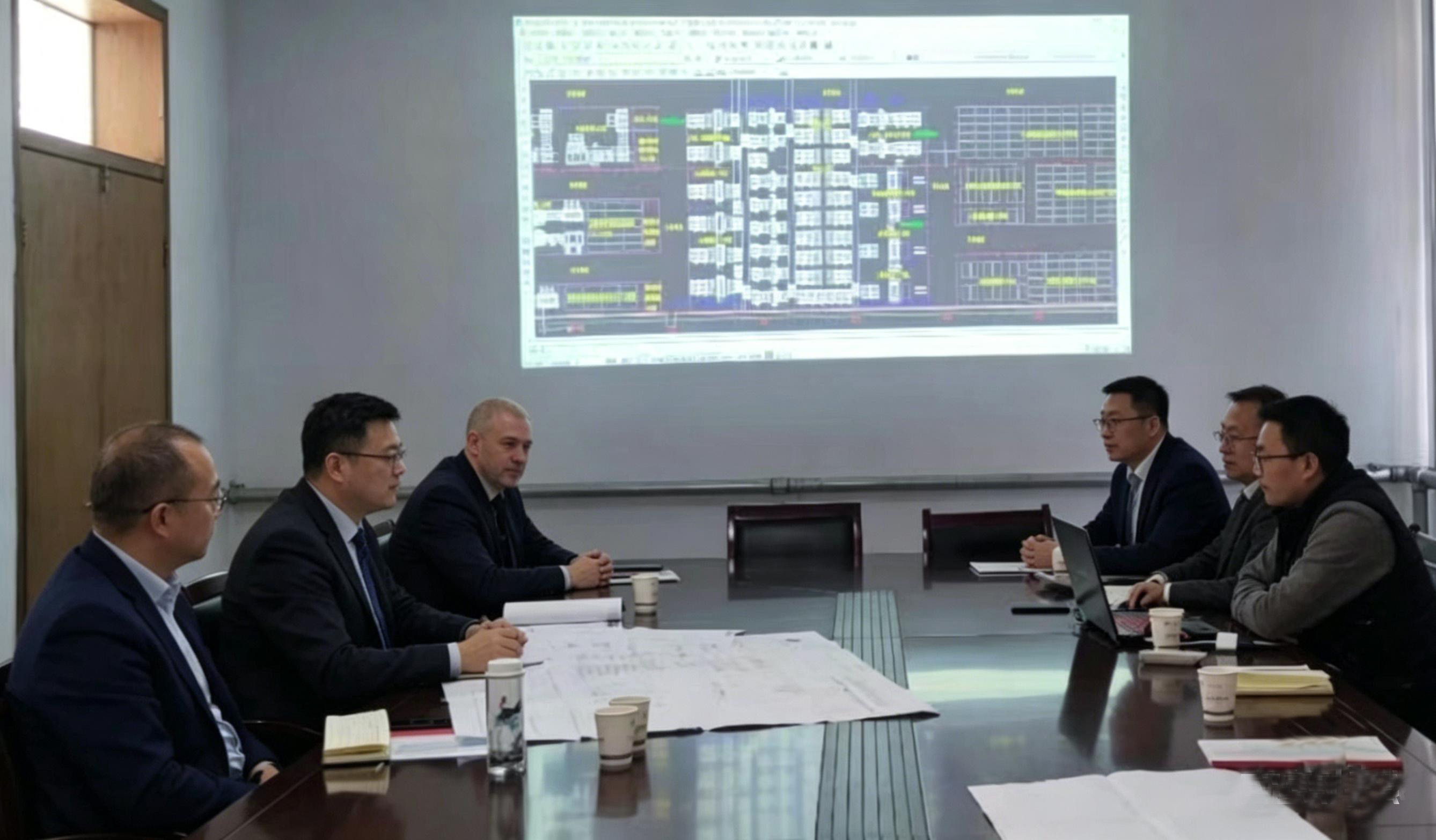
The basis of planning and scheduling for a plywood factory.
● The total space size.
After determining the plywood whole plant intelligent planning, the area of the section is fixed, the division of the workshop, and the process must be within the area. If a certain area is too big, other areas can be smaller, so the overall coordination must be properly allocated.
● Capacity design
The result of the operational planning capacity must meet the design requirements. To meet this requirement, it must have enough area for operations, semi-finished products storage space, the turnover machine, material staging area and other hardware facilities. During the operation planning, the total output of the design can be allocated according to the process capacity, so as to ensure the production capacity of each process meets the requirements.
● The principle of process balance.
Process balance refers to the same production capacity of each process in the production of unit quantity products. The production capacity, number of employees, equipment, work area, and space requirements needed by various processes are different. Process balance is an important principle in operation planning that needs to be abided by.
● The management model
Different management models have varying requirements for operational planning, which should be integrated with the establishment, division, and merger of operational areas, considering the specific needs of plywood enterprise management.
● Equipment characteristics
The quantity, volume, and function of equipment have a certain influence on workshop planning.
● The mutual characteristics of the process.
In plywood factories, the production process generates significant dust, noise, and other pollution. This can impact product quality, production safety, and operators, and should be considered in operational planning.
● The total space size.
After determining the plywood whole plant intelligent planning, the area of the section is fixed, the division of the workshop, and the process must be within the area. If a certain area is too big, other areas can be smaller, so the overall coordination must be properly allocated.
● Capacity design
The result of the operational planning capacity must meet the design requirements. To meet this requirement, it must have enough area for operations, semi-finished products storage space, the turnover machine, material staging area and other hardware facilities. During the operation planning, the total output of the design can be allocated according to the process capacity, so as to ensure the production capacity of each process meets the requirements.
● The principle of process balance.
Process balance refers to the same production capacity of each process in the production of unit quantity products. The production capacity, number of employees, equipment, work area, and space requirements needed by various processes are different. Process balance is an important principle in operation planning that needs to be abided by.
● The management model
Different management models have varying requirements for operational planning, which should be integrated with the establishment, division, and merger of operational areas, considering the specific needs of plywood enterprise management.
● Equipment characteristics
The quantity, volume, and function of equipment have a certain influence on workshop planning.
● The mutual characteristics of the process.
In plywood factories, the production process generates significant dust, noise, and other pollution. This can impact product quality, production safety, and operators, and should be considered in operational planning.