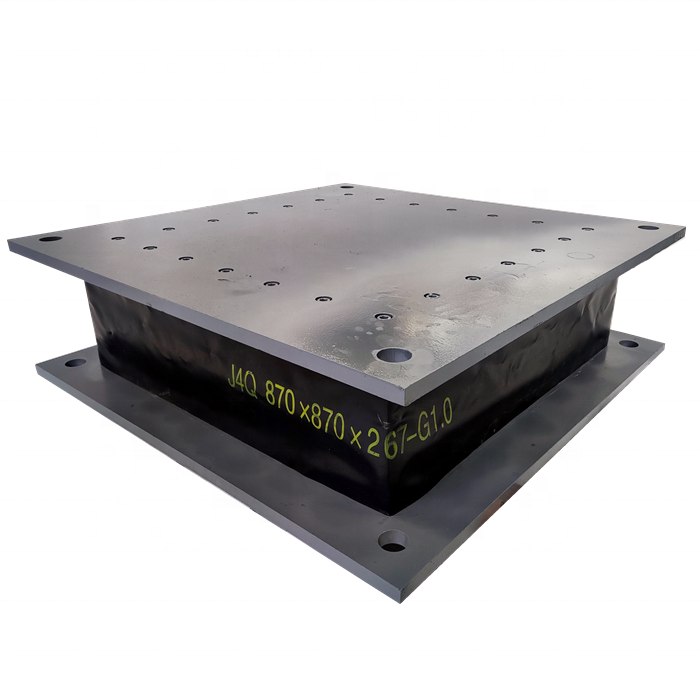
Square rubber bearing sandwiched between steel plates with bolt holes and yellow markings.
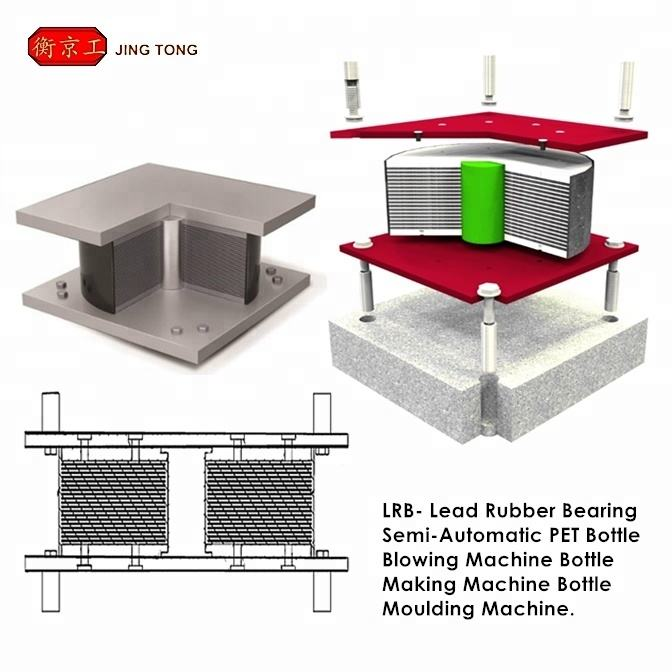
Lead rubber bearing shown assembled, exploded, and in a cross-sectional technical drawing.
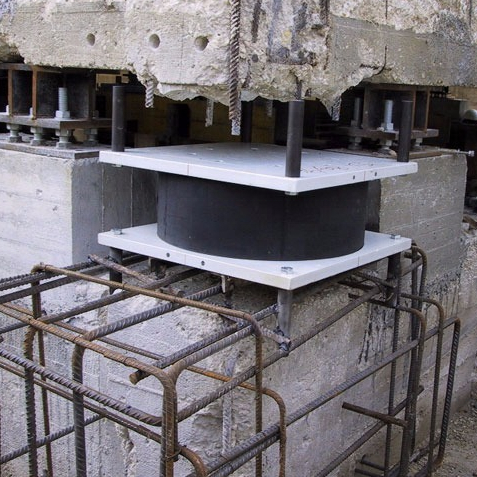
Black seismic isolation bearing between concrete sections, surrounded by steel reinforcement bars.
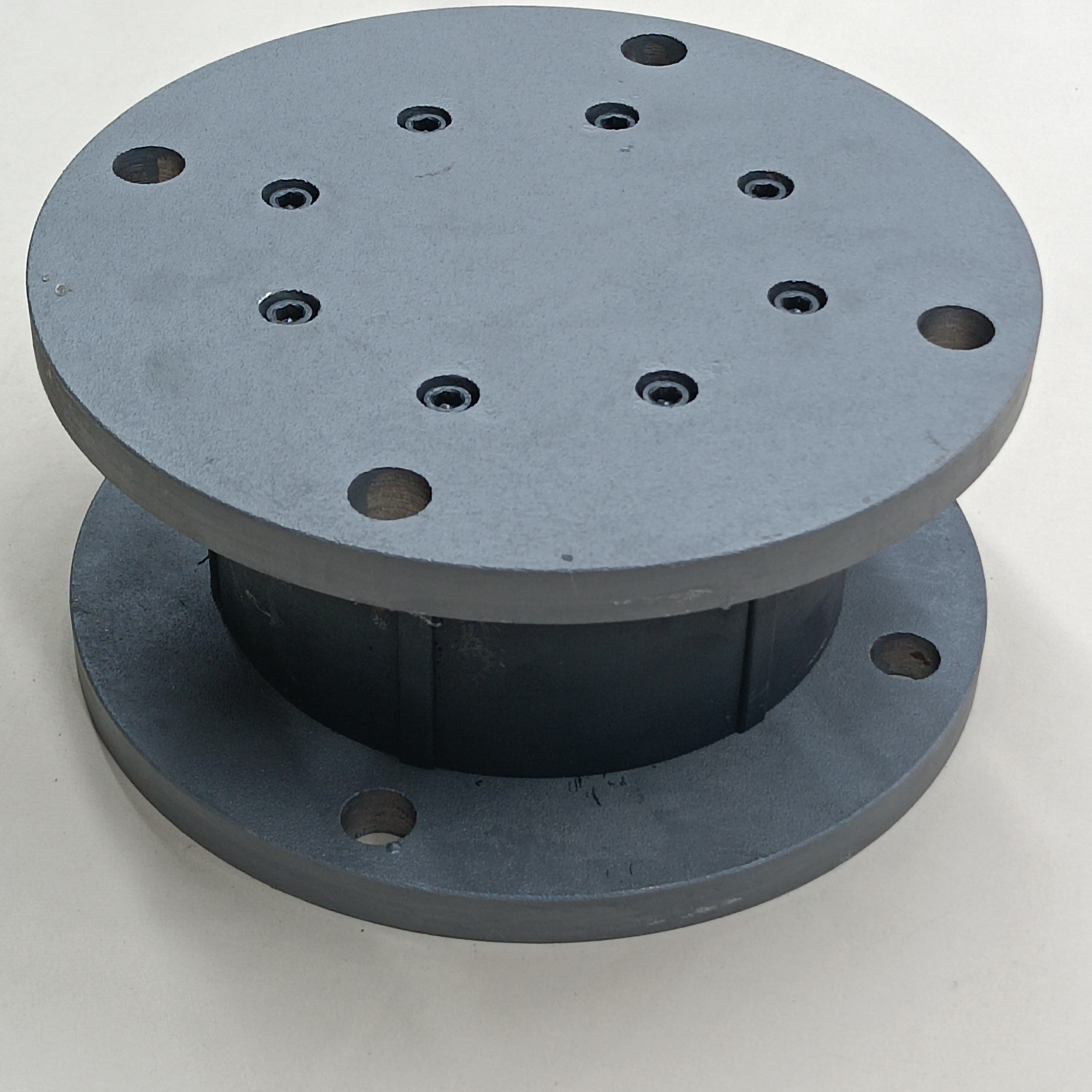
Gray metal assembly with two circular flanges, mounting holes, and a black cylindrical center.
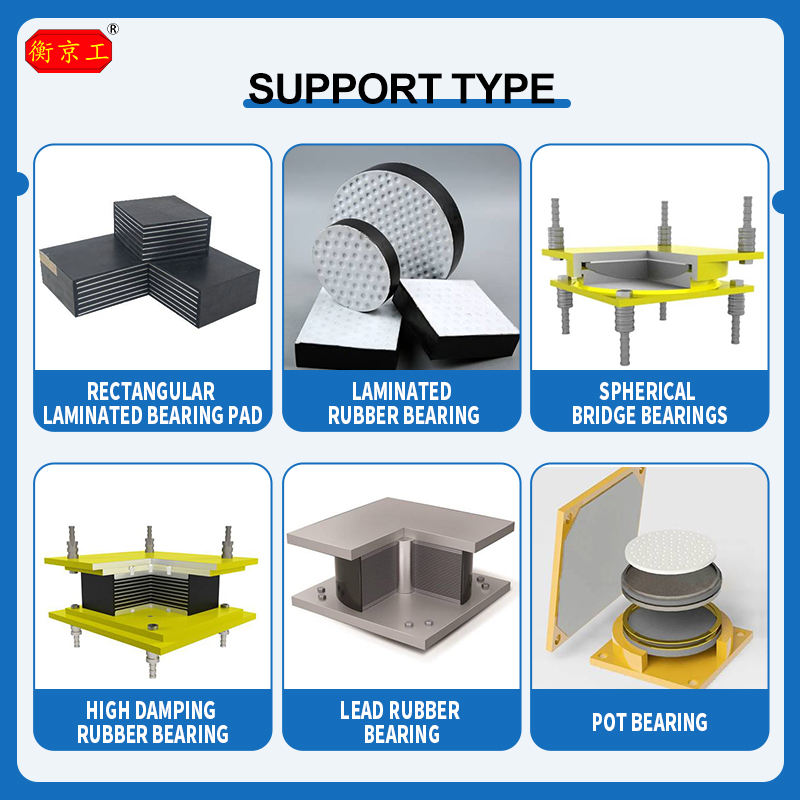
Chart of six bridge bearing types: laminated pads, rubber, spherical, high-damping, lead rubber, pot.
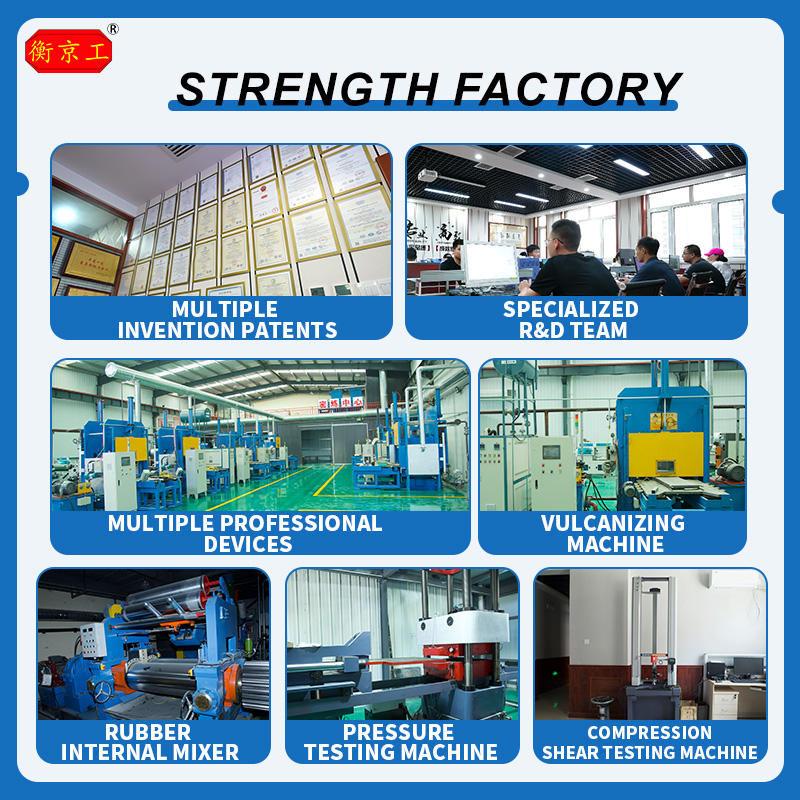
Factory infographic highlighting patents, R&D staff, and rubber processing and testing machines.

Building and Bridge Rubber Seismic Isolation Bearing Support HDR/LRB/LNR Rubber Bridge Bearing

FOB
MOQ:
5
Shipping:
Express delivery
Click for details:
Product details
FAQ
Essential details
MOQ:5
G.W:50 kg
Shipping:Express delivery
Product Introduction
Lead rubber bearings, also called lead-core rubber bearings or LNR rubber bearings, have a similar structure to high-damping rubber bearings. They are an important component of seismic isolation bearings. They are composed of laminated rubber bearings and a lead core. The lead core can not only bear heavy loads and horizontal forces, but also absorb energy through plastic deformation and hysteretic damping.
Lead rubber bearings can be divided into round and rectangular shapes for different applications. Additionally, the number of lead cores can be single or multiple to provide maximum flexibility in bridges or buildings.