

Essential details
MOQ:100 meters
Shipping:Express Delivery
Product Introduction
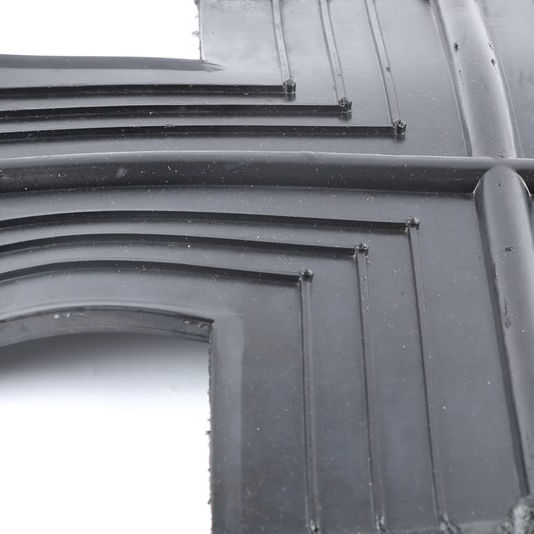
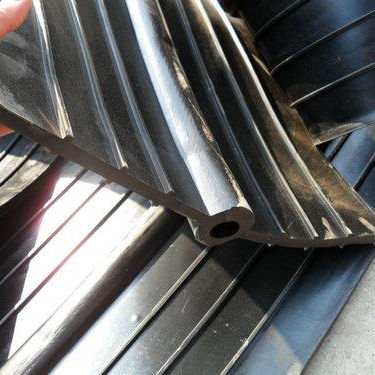
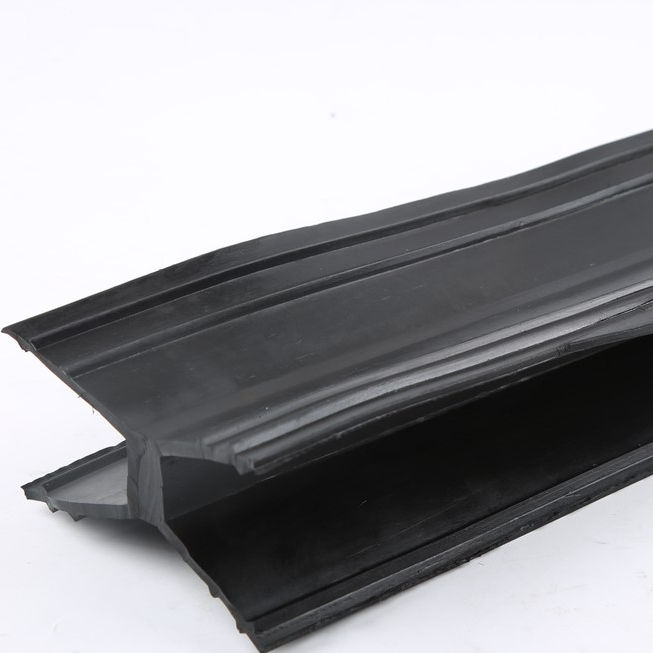
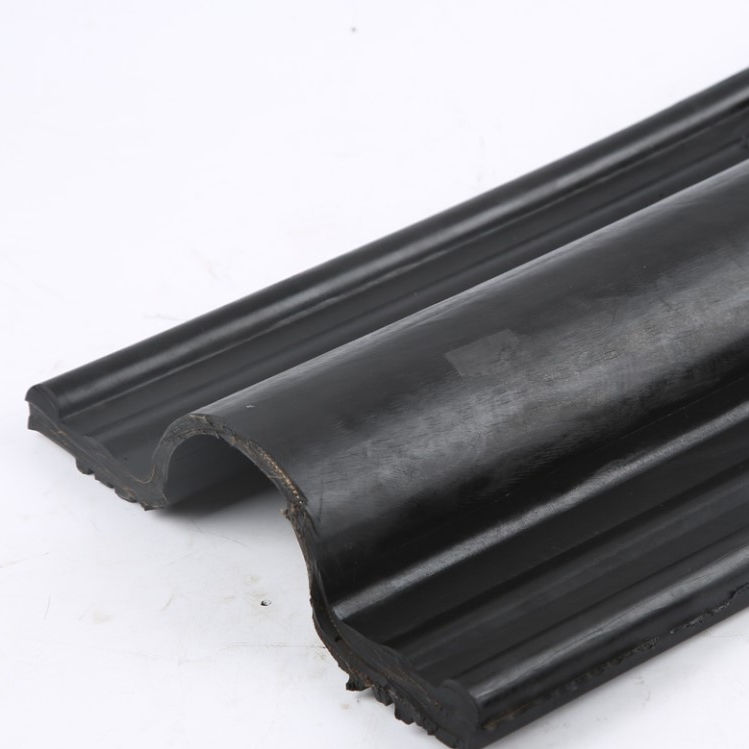
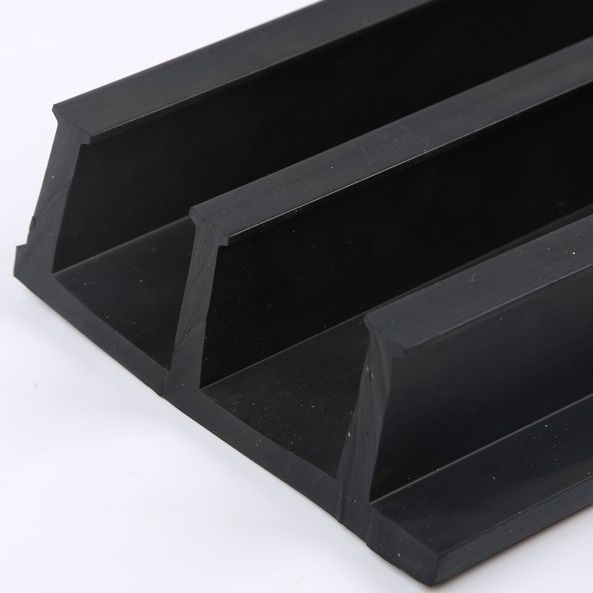
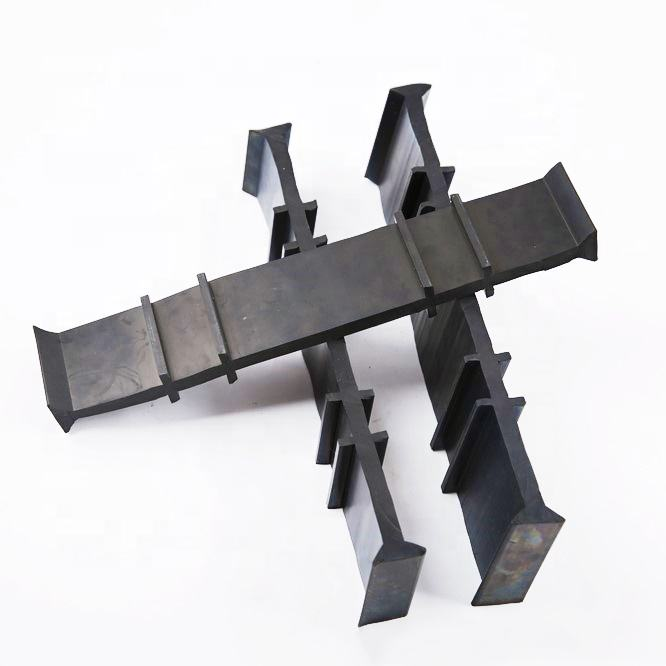
Rubber waterstop, made of quality SBR (styrene butadiene rubber), neoprene rubber or natural rubber, is one of the widest types for concrete structure to prevent liquid leaking in or out. Generally, designed to be cast in the concrete, rubber waterstops are ideal for applications where high physical properties of rubber are required. For example, reservoirs, dams and other water retaining or excluding applications with high movements or water pressure.
SBR and neoprene rubber, as the most common materials for rubber waterstop manufacturing, are used extensively in the world. The SBR water stop is preferred for water containment, while neoprene rubber waterstops are recommended for applications of sewage disposal or chemical industries. As your request, natural rubber, EPDM, Nitrile and Silicone waterstops are also available.As your request, other types including ribbed type, splitting type, base type or capping type can be made to your order.
Installation:
All the rubber waterstops are designed to cast in the concrete as an integral joint sealing system. Pre-fabricated waterstops are also supplied to reduce site jointing.
All the rubber waterstops are designed to cast in the concrete as an integral joint sealing system. Pre-fabricated waterstops are also supplied to reduce site jointing.
Features & benefits:
* High elasticity
* High elongation
* Excellent high movement accommodation
* Capable to withstand high hydrostatic head
* Adjust for subsidence and seismic movements
* Hot vulcanized site joints.
* High elasticity
* High elongation
* Excellent high movement accommodation
* Capable to withstand high hydrostatic head
* Adjust for subsidence and seismic movements
* Hot vulcanized site joints.
Applications:
* Ideal for high movements joints
* Water containments
* Water excluding
* Tunnels and civil engineering structures
* Water and waste treatments
* Dams, reservoirs, and spillway
* Chemical areas
* Irrigation canals, sea walls and culverts.
* Ideal for high movements joints
* Water containments
* Water excluding
* Tunnels and civil engineering structures
* Water and waste treatments
* Dams, reservoirs, and spillway
* Chemical areas
* Irrigation canals, sea walls and culverts.