
Essential details
Shipping:Express Delivery
Product Introduction
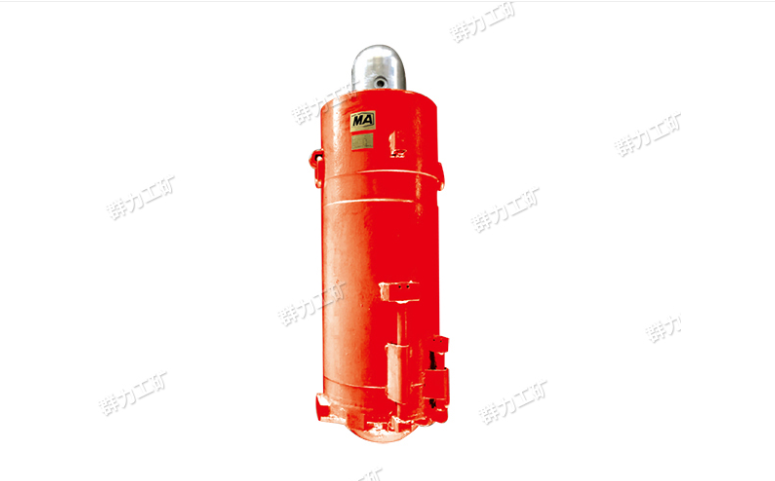
Hydraulic support double telescopic column
φ140/φ105, φ140/φ100, φ160/φ120, φ160/φ125, φ180/φ130, φ180/φ140, φ200/φ140, φ380/φ260, φ180/φ110, φ2 00/φ150, φ200/φ160, φ210/φ160, φ220/φ160, φ220/φ170, φ250/φ200, φ280/φ200, φ300/φ210, φ300/φ220, φ230 /φ170, φ230/φ180, φ250/φ180, φ320/φ230, φ350/φ250, φ360/φ260, φ360/φ270, φ380/φ270, φ380/φ280, φ400/φ 280, φ400/φ290, φ400/φ300, φ420/φ290, φ420/φ300, φ420/φ305, φ440/φ320, φ440/φ330, φ450/φ320, φ450/φ335
The double telescopic column is a key component of the hydraulic support. It is mainly used in working faces with large mining heights or large changes in coal seam thickness. It achieves a larger stroke range and mining height adaptability through a multi-stage telescopic structure. The following is a detailed introduction to double telescopic columns:
Structural composition
The double telescopic column is a two-stage hydraulic cylinder, consisting of an inner and outer cylinder (or cylinder body and telescopic sleeve). The structure is more complex than a single telescopic column. The main components include:
Outer cylinder (basic cylinder):
Made of high-strength seamless steel pipe or forging, the bottom is fixed on the bracket base, and the inner cylinder (telescopic sleeve) and piston rod are accommodated inside.
Inner cylinder (telescopic sleeve):
It is sleeved in the outer cylinder body and can slide along the axial direction. The material is the same as the outer cylinder body, and the surface is precision machined and anti-rust treated.
Piston rod:
Located inside the inner cylinder, the top is connected to the roof beam. The surface is chrome plated (hard chromium layer thickness 20-50μm) or nickel-phosphorus plated for higher wear resistance.
Multi-stage sealing system:
Including the seal between the outer cylinder and the inner cylinder (such as drum ring, bud ring), the seal between the inner cylinder and the piston rod, and the dust ring, which need to withstand the friction and high-pressure impact during multi-stage expansion and contraction.
Hydraulic interface:
The bottom of the outer cylinder, the inner cylinder and the piston rod cavity are each equipped with independent liquid inlets, and the expansion and contraction sequence is controlled by the hydraulic system (usually the inner cylinder is extended first, and the piston rod is extended later).