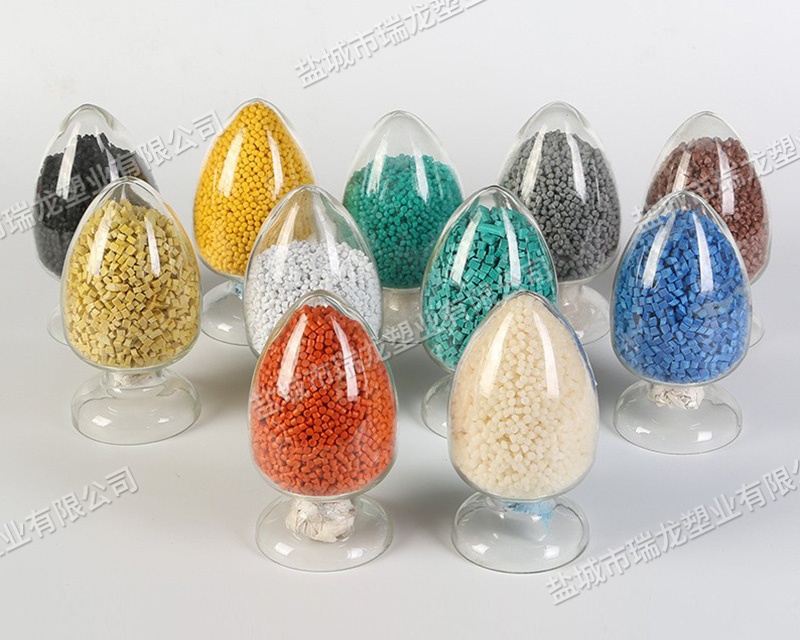

Essential details
Shipping:Land freight, Ocean freight
Product Introduction
Flame-retardant, cold-resistant cables are specialized cables designed to maintain excellent flexibility and electrical performance in low-temperature environments while offering flame-retardant properties that effectively prevent the ignition and spread of fire. Below is a detailed overview:

Material Composition
* **Conductor:** Typically utilizes stranded fine copper wire (Class 6 per VDE0295/IEC228 standards), offering excellent conductivity and flexibility (e.g., ANYFLEX-PUR-LT50 series).
* **Insulation Layer:** Often employs specialized low-temperature elastomer blends, cold-resistant TPE compounds, or EI2-type cross-linked elastomer blends. These materials retain elasticity at low temperatures, preventing embrittlement or cracking and ensuring insulation integrity (e.g., Jiarou low-temperature cables, Deru high-temperature/cold-resistant cables).
* **Insulation Layer:** Often employs specialized low-temperature elastomer blends, cold-resistant TPE compounds, or EI2-type cross-linked elastomer blends. These materials retain elasticity at low temperatures, preventing embrittlement or cracking and ensuring insulation integrity (e.g., Jiarou low-temperature cables, Deru high-temperature/cold-resistant cables).
* **Sheath:** Usually made from specialized cold-resistant PUR blends or low-temperature elastomer compounds. These materials offer cold resistance, abrasion resistance, and tear resistance, protecting the internal structure from environmental factors (e.g., ANYFLEX-PUR-LT50 series, Jiarou low-temperature cables).
Performance Characteristics
* **Cold Resistance:** Maintains good flexibility and mechanical properties in low-temperature environments; resistant to embrittlement, hardening, or breakage. Suitable for use at -40°C or lower (e.g., Taishite's extreme-cold series cables maintain stable performance in environments as cold as -60°C).
* **Flame Retardancy:** Exhibits excellent flame-retardant properties, inhibiting the spread of flames upon contact with fire and reducing fire risks and hazards. Complies with relevant flame-retardancy standards such as IEC 60332-1.
* **Stable Electrical Performance:** Maintains consistent electrical characteristics—including insulation resistance and dielectric strength—across both low and normal temperature ranges, ensuring reliable power and signal transmission. Rated voltage typically ranges from 300/500V to 0.6/1kV; test voltage is 2000V; insulation resistance is ≥20MΩ/km (at 20°C). Aging Resistance: The cable's insulation and sheath materials exhibit excellent aging resistance, withstanding degradation caused by ultraviolet (UV) radiation, ozone, and chemical substances, thereby extending the cable's service life.
* **Flame Retardancy:** Exhibits excellent flame-retardant properties, inhibiting the spread of flames upon contact with fire and reducing fire risks and hazards. Complies with relevant flame-retardancy standards such as IEC 60332-1.
* **Stable Electrical Performance:** Maintains consistent electrical characteristics—including insulation resistance and dielectric strength—across both low and normal temperature ranges, ensuring reliable power and signal transmission. Rated voltage typically ranges from 300/500V to 0.6/1kV; test voltage is 2000V; insulation resistance is ≥20MΩ/km (at 20°C). Aging Resistance: The cable's insulation and sheath materials exhibit excellent aging resistance, withstanding degradation caused by ultraviolet (UV) radiation, ozone, and chemical substances, thereby extending the cable's service life.
High Mechanical Strength: Certain flame-retardant, cold-resistant cables also possess high mechanical strength. For instance, in the "Taishite" (Test) series of cables designed for extreme cold, the insulation tensile strength exceeds 100 MPa and the shielded sheath strength exceeds 8 MPa; these cables are resistant to crushing and tearing, effectively withstanding damage from external mechanical forces.
Application Areas
Power Engineering in Cold Regions: Includes power transmission and distribution systems for scientific research stations in the Arctic and Antarctic, as well as in high-latitude, cold countries and regions such as Russia.
Outdoor Low-Temperature Facilities: Equipment such as wind farms, solar power plants, oil drilling rigs, and field exploration instruments often operates in cold outdoor environments; flame-retardant, cold-resistant cables are essential to ensure stable power supply and signal transmission for these systems.
Cold Storage and Cold Chain Logistics: Used for power supply and signal transmission for lighting and refrigeration equipment within cold storage facilities, as well as for temperature monitoring and control systems in cold chain logistics.
Rail Transit: Particularly for high-altitude and alpine railways (such as the Qinghai-Tibet Railway), where cables must operate reliably in low-temperature environments to ensure consistent power supply and signal transmission for trains.
Aerospace: Spacecraft encounter extreme cold in space and must meet fire safety standards during launch and operation; flame-retardant, cold-resistant cables are suitable for internal power and signal transmission within spacecraft.