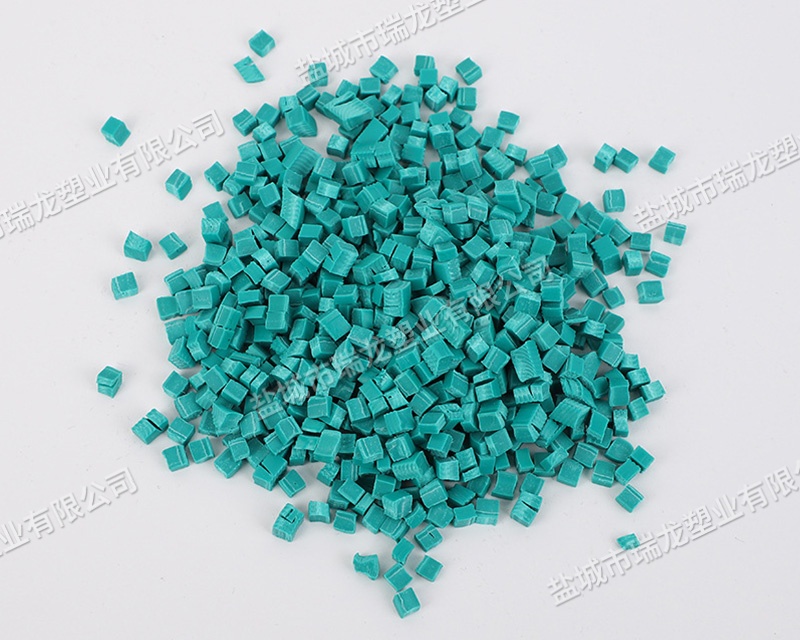
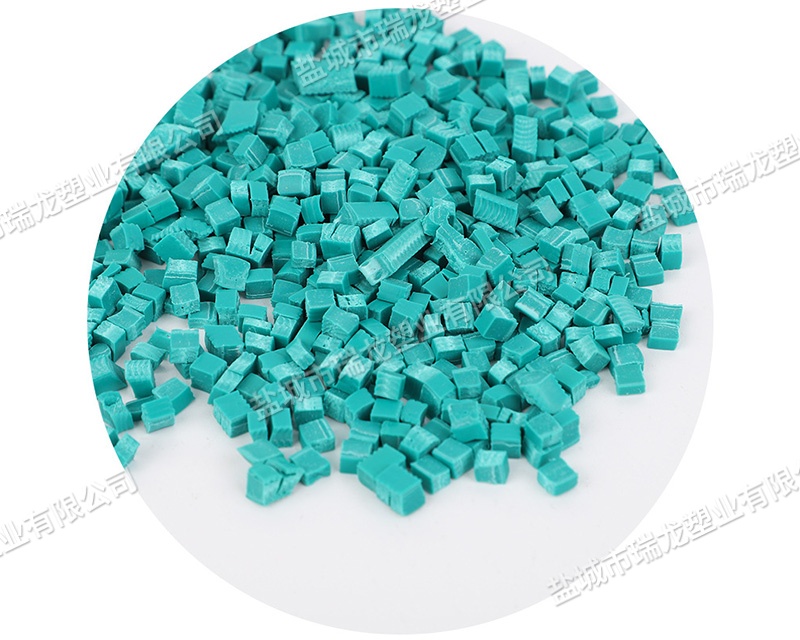
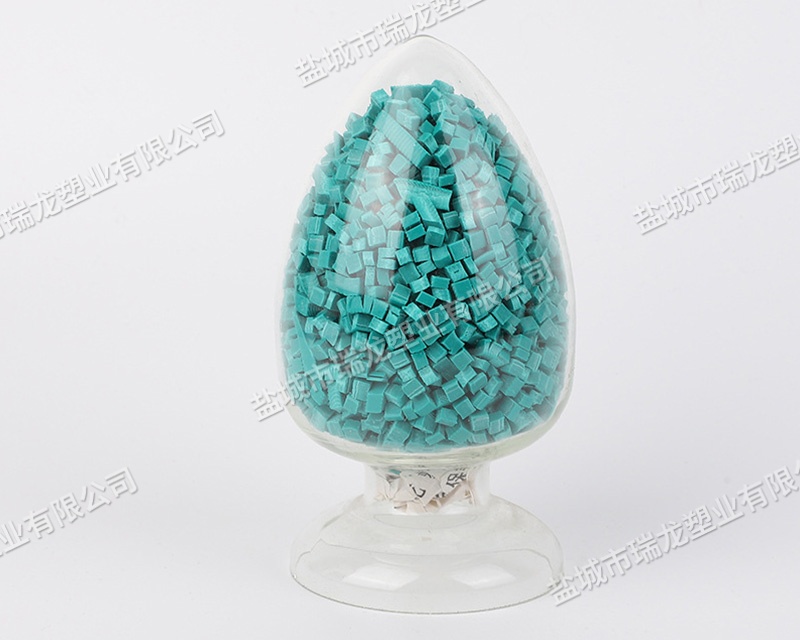

Essential details
Shipping:Land freight, Ocean freight
Product Introduction
Flame-retardant cable materials are a class of insulation and sheathing materials specifically designed to enhance fire safety in cables. Their core function is to inhibit flame spread and reduce fire hazards during a fire event, thereby buying time for personnel evacuation and rescue operations; they are widely used in settings with strict fire safety requirements.

I. Core Characteristics of Flame-Retardant Cable Materials
(A) Outstanding Flame Retardancy and Fire Resistance
Flame Resistance: Through the material's inherent chemical structure or the addition of flame retardants (such as halogens, phosphorus, nitrogen, magnesium hydroxide, or aluminum hydroxide), a flame-retardant barrier (e.g., a charred layer) is formed upon exposure to high heat or combustion. This effectively prevents sustained burning or the spread of flames along the cable. Performance is verified through various testing standards—such as vertical burning, horizontal burning, and bunched-cable burning tests (e.g., GB/T 18380, UL 94, IEC 60332)—with formulations tailored to meet specific flame-retardancy grades.
Self-Extinguishing Capability: Upon removal of the ignition source, the material rapidly ceases burning, preventing flames from spreading along the cable and igniting a larger fire, thereby controlling the spread of fire at the source.
(B) Reliable Mechanical Properties and Processing Compatibility
Mechanical Strength: These materials possess adequate tensile strength, elongation at break, and abrasion resistance. They withstand mechanical stresses encountered during cable laying, installation, and long-term use—such as pulling, compression, and bending—effectively protecting internal conductors from damage and maintaining the cable's structural integrity.
Processing Compatibility: They can be reliably formed using standard plastic processing techniques like extrusion and injection molding, meeting production requirements for various cable components (such as wire insulation and cable sheathing). The materials resist cracking, deformation, or performance fluctuations during processing, ensuring production efficiency and product consistency.
(C) Environmental Durability and Safety Features
Wide Temperature Range Adaptability: Depending on the formulation design, these materials can adapt to temperature environments ranging from -40°C to 105°C (or even higher). They meet usage requirements for diverse settings—including indoor and outdoor environments and areas near high-temperature equipment—while maintaining stable performance under extreme temperatures. Upgraded Low-Smoke and Low-Toxicity Properties (Selected Types): Beyond basic flame retardancy, low-smoke zero-halogen (LSZH) flame-retardant cable materials utilize halogen-free flame retardants (such as metal hydroxides). This results in significantly reduced smoke density and minimal release of toxic gases (like hydrogen halides) during combustion, thereby lowering the risk of casualties caused by smoke-obscured visibility or gas poisoning during fires and meeting modern demands for environmental protection and safety upgrades.
Resistance to Environmental Degradation: These materials offer resistance to complex environments—including moisture, acids, alkalis, and oil—allowing for long-term use in settings characterized by high dust, high humidity, or mild chemical corrosion, which extends the cable's service life.
(D) Stable Electrical and Insulation Performance
As materials for cable insulation and sheathing, they must maintain excellent insulation resistance and dielectric strength. This ensures the cable remains free from electrical faults—such as leakage or short circuits—during long-term operation, thereby guaranteeing the stability and safety of power or signal transmission.
(E) Environmental Friendliness and Regulatory Compliance
With rising environmental standards, LSZH flame-retardant cable materials—which are free from halogens, heavy metals, and other hazardous substances—offer superior environmental performance. They are not only safer during combustion but also reduce pollution during production and disposal, meeting various compliance requirements such as the EU's RoHS directive and Chinese environmental standards.
II. Main Types of Flame-Retardant Cable Materials
Based on flame-retardant mechanisms and composition, these materials can be categorized into halogen-containing, low-smoke zero-halogen (LSZH), and phosphorus-nitrogen-based types. Halogen-containing materials use halogen compounds as flame retardants; while they offer high efficiency and low costs, they release toxic gases like hydrogen halides when burning. LSZH materials employ halogen-free flame retardants, prioritizing low smoke and low toxicity for better environmental performance. Phosphorus-nitrogen-based materials achieve flame retardancy through the synergistic effect of phosphorus and nitrogen elements; they also offer some smoke-suppression capabilities, making them suitable for applications requiring both environmental friendliness and flame retardancy.

III. Application Areas of Flame-Retardant Cable Materials
(A) Construction and Infrastructure
Civil Buildings: Power distribution, lighting, and fire-linkage control circuits in high-rise buildings, shopping malls, hotels, and residential complexes—particularly in critical areas such as stairwells, elevator shafts, and evacuation routes—require flame-retardant cable materials to minimize the risk of fire spread and ensure the safety of escape paths.
Public Facilities: In densely populated venues such as hospitals, schools, stadiums, and theaters, priority is given to low-smoke, halogen-free, flame-retardant cable materials. This reduces the harm caused to people by smoke and toxic gases during a fire and enhances the safety of public spaces.
Underground Projects: In enclosed spaces like subways, tunnels, and underground parking lots, low-smoke properties improve visibility during fires, while halogen-free characteristics reduce equipment corrosion, thereby creating favorable conditions for escape and rescue operations.
(B) Industrial and Manufacturing Scenarios
Industrial Plants: In facilities involving high temperatures or flammable substances—such as chemical, metallurgical, and machinery plants—using flame-retardant materials for the insulation and sheathing of power and control cables prevents fire from spreading along the cables following equipment failure, thereby reducing the risk of property loss and casualties.
New Energy and Data Centers: Outdoor cables for photovoltaic power stations and wind farms must offer both flame retardancy and weather resistance to withstand fire hazards caused by high temperatures or thunderstorms. Similarly, using flame-retardant materials for power and signal cables connected to servers and communication equipment in data centers protects precision hardware from fire damage and minimizes the risk of data loss.
(C) Transportation
Rail Transit: Internal wiring and external power supply cables for subways, high-speed trains, and light rail systems must pass rigorous flame-retardancy tests. This ensures that, in the event of a short circuit or fire during operation, the cables inhibit flame propagation, thereby safeguarding passengers and ensuring operational stability.
Automotive and Marine: Wiring harnesses in engine compartments and cabins, as well as marine cables, require flame-retardant properties to mitigate fire risks associated with fuel leaks or circuit aging; additionally, their resistance to vibration and oil contamination makes them suitable for the demanding operating environments of these vehicles.
(D) Emergency and Special Hazardous Scenarios
Fire Protection Systems: Dedicated cables for fire pumps, emergency lighting, and fire alarm systems must maintain circuit continuity during the initial stages of a fire. Flame-retardant cable materials ensure these cables continue to operate normally for a short period under high-temperature conditions, thereby guaranteeing the functionality of fire safety equipment.
High-Risk Operational Environments: In flammable and explosive environments—such as underground mines, oil fields, and chemical processing plants—flame-retardant cable materials prevent explosions caused by electrical sparks or high temperatures. By suppressing combustion, these materials mitigate safety hazards in high-risk scenarios and enhance operational safety.