
Essential details
Shipping:Land freight, Ocean freight
Product Introduction
In elevator systems, cables serve as critical components for connection and transmission; their performance directly impacts the elevator's safety, stability, and service life. Flexible PVC (polyvinyl chloride) elastomer has become a common material for the insulation and sheathing of elevator cables due to its unique performance advantages. Its characteristics and applications are detailed below.

I. Key Characteristics of Flexible PVC Elastomer
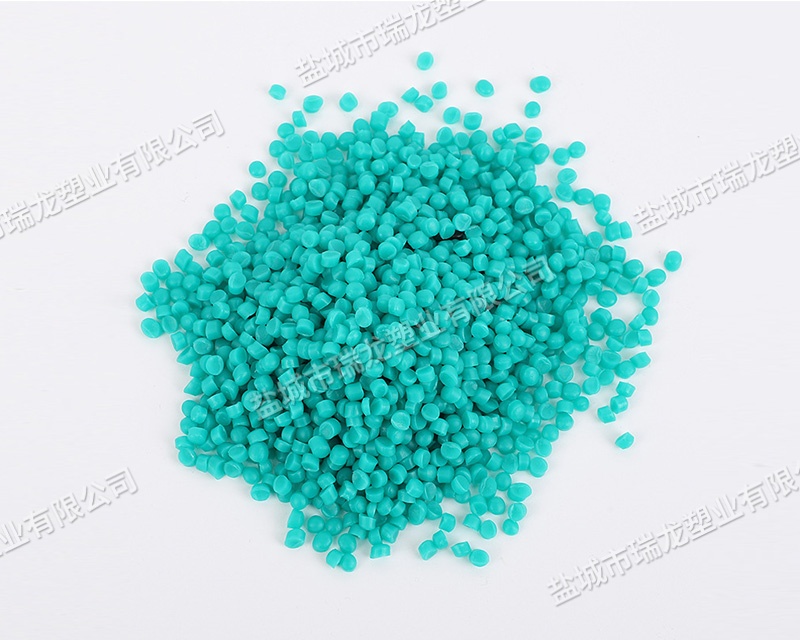
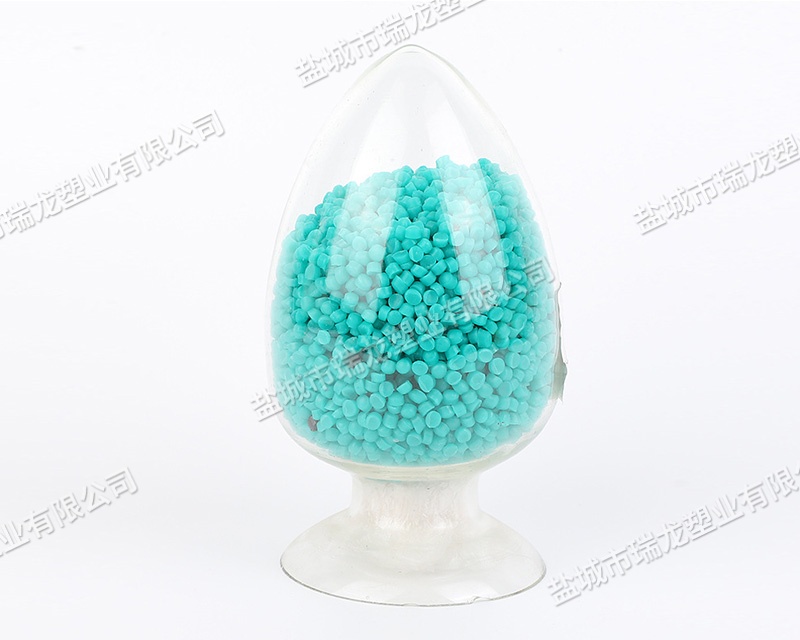
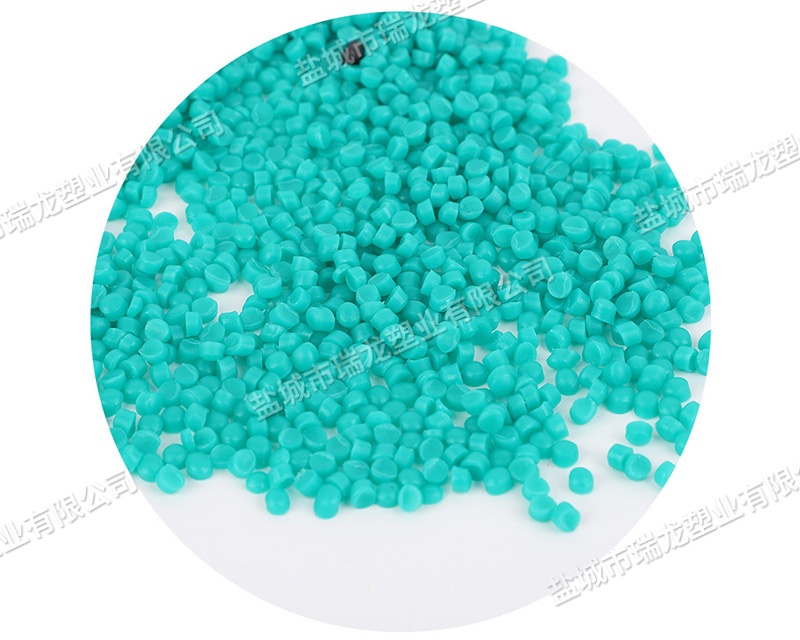
Flexible PVC elastomer is a pliable material produced by compounding PVC resin with additives such as plasticizers, stabilizers, fillers, and lubricants. Its characteristics are primarily reflected in the following aspects:
(A) Excellent Mechanical Performance
High flexibility and elasticity: Material hardness can be controlled by adjusting the plasticizer ratio (typically ranging from 60 to 90 Shore A). This allows the material to withstand the frequent bending, dragging, and twisting encountered during elevator operation without cracking or breaking due to mechanical stress. For instance, as the cable moves up and down with the elevator car, the flexible material helps minimize fatigue damage.
Good tensile strength and elongation: Tensile strength generally ranges from 10 to 20 MPa, with an elongation at break of 200%–400%. This enables the material to support the cable's own weight and withstand operational tensile forces, ensuring structural integrity.
Abrasion and scratch resistance: With moderate surface hardness and inherent elasticity, the material reduces wear caused by friction against other components in the elevator shaft, thereby extending the cable's service life.
(B) Reliable Electrical Insulation Performance
High volume resistivity: Typically exceeding 10¹⁴ Ω·cm, this property effectively prevents current leakage, ensures the insulation safety of the elevator's electrical system, and reduces the risk of short circuits.
Good dielectric strength: Under normal conditions, dielectric strength reaches 15–25 kV/mm. The material can withstand rated operating voltages as well as transient overvoltages, ensuring stable signal and power transmission.
Corona resistance: It resists corona-induced aging under prolonged exposure to electric fields, making it suitable for the continuous energization typical of elevator cable operating environments.
(C) Outstanding Environmental Resistance
Temperature Adaptability: Suitable for long-term use in environments ranging from -15°C to 70°C; it adapts well to temperature fluctuations within most elevator shafts, maintaining stable performance in both high summer temperatures and low winter temperatures.
Moisture and Corrosion Resistance: The material is inherently water-resistant and resists hydrolysis caused by the humid conditions often found in elevator shafts. It also offers resistance to common acids, alkalis, and oils, protecting against potential contaminants within the shaft.
Compliant Flame Retardancy: Through the addition of flame retardants, the material meets UL94 V-0 ratings or the flame retardancy requirements specified in GB/T 18380.12-2008. In the event of a fire, it slows the spread of flames and reduces the release of toxic smoke, thereby buying time for personnel evacuation.
(D) Significant Processing and Cost Advantages
Excellent Processability: It can be easily processed—using methods such as extrusion—into cable insulation layers and sheaths of various specifications. It offers high production efficiency and ensures good dimensional stability in the finished products.
Relatively Low Cost: Compared to other elastomeric insulation materials like rubber or fluoroplastics, flexible PVC elastomer offers lower raw material and processing costs. This reduces the overall manufacturing cost of elevator cables, providing a high cost-performance ratio.

II. Application Scenarios for Flexible PVC Elastomer in Elevator Cables
Based on the characteristics mentioned above, flexible PVC elastomer is primarily used in the following components of elevator cables:
(A) Elevator Traveling Cables
Traveling cables are critical links connecting the elevator car to the control cabinet. They must move up and down frequently with the car, demanding exceptional flexibility and fatigue resistance. When used as the sheath and insulation material, flexible PVC elastomer ensures the cable does not crack during prolonged bending and dragging, guaranteeing stable power and signal transmission. It is suitable for traveling cables in various standard elevators, including those for residential and commercial buildings.
(B) Elevator Control Cables
Control cables are used to transmit control signals and commands for the elevator, requiring strict standards for electrical insulation performance and stability. The material's high insulation resistance and dielectric strength effectively prevent signal interference and current leakage, ensuring the precision and reliability of control functions such as starting and stopping, floor indication, and door operation; consequently, it is widely used in connection cables for elevator control systems.
(C) Elevator Lighting and Power Cables
Flexible PVC elastomer can serve as the insulation layer for power cables supplying elevator car lighting, ventilation, and other equipment. Its excellent temperature resistance and electrical properties ensure safe power transmission, while its flame-retardant capabilities reduce the risk of electrical fires, making it suitable for power supply lines serving internal car components and auxiliary equipment within the elevator shaft.
III. Application Considerations
Although flexible PVC elastomer offers excellent performance, caution is required in specific environments. In scenarios involving prolonged exposure to temperatures exceeding 70°C within the elevator shaft, the presence of highly corrosive agents, or extremely stringent flame-retardancy requirements (such as in elevators for super-high-rise buildings), materials with superior temperature resistance, corrosion resistance, or flame-retardant properties should be selected based on actual needs.
During processing, the dosage and type of plasticizers must be strictly controlled to prevent material degradation caused by plasticizer migration; additionally, processing temperatures and durations must be carefully managed to avoid material decomposition and the subsequent release of harmful substances.