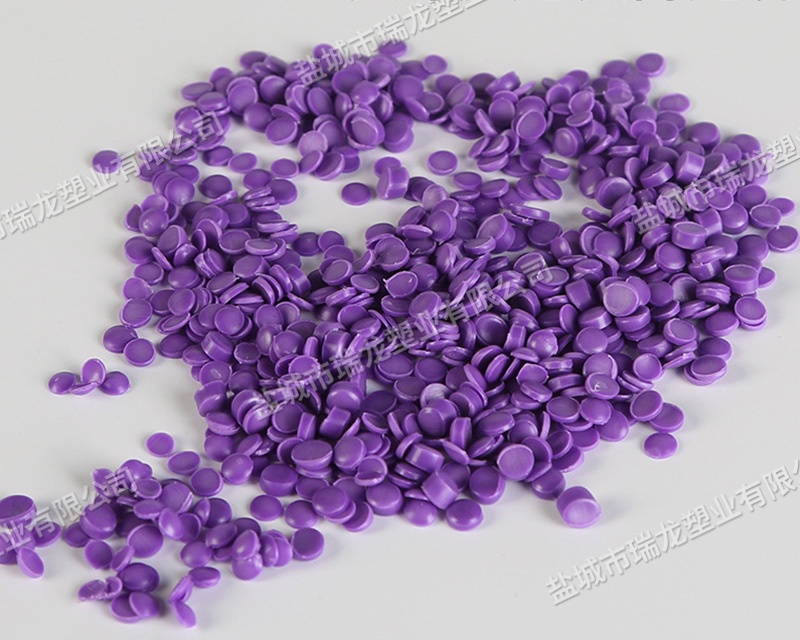

Essential details
Shipping:Land freight, Ocean freight
Product Introduction
High-performance electrical cable materials are a class of functional polymer materials designed to meet rigorous electrical transmission requirements. Their core advantages lie in superior electrical insulation, corona resistance, aging resistance, and stability, ensuring the safe transmission of power or signals in complex environments. Below is a detailed introduction to their key characteristics and application scenarios:

I. Core Characteristics
1. Superior Electrical Insulation Performance
High Volume Resistivity: At room temperature, volume resistivity is typically ≥10¹⁴ Ω·cm (with some specialty materials exceeding 10¹⁶ Ω·cm)—far higher than that of standard cable materials—effectively reducing leakage current and energy loss.
High Dielectric Strength: Dielectric breakdown strength is generally ≥25 kV/mm; through formulation optimization (such as the addition of nano-scale insulating fillers), some products can exceed 35 kV/mm. They can withstand high-voltage surges without insulation breakdown, ensuring the stable operation of high-voltage systems.
Low Dielectric Loss and Stable Dielectric Constant: The dielectric loss tangent (tanδ) is low (typically ≤0.005 at 50Hz), and the dielectric constant (ε) remains stable across varying frequencies and temperatures. This minimizes signal attenuation and heat generation during high-frequency signal transmission, making these materials particularly suitable for high-frequency communication cables.
2. Excellent Corona and Aging Resistance
Strong Resistance to Corona Erosion: The addition of corona-suppressing agents (such as hindered amines or metal oxide nanoparticles) inhibits material degradation caused by ozone and ultraviolet light—byproducts of partial discharge. This extends service life under high electric field strengths (typically ≥30 years), making the materials suitable for applications such as high-voltage motor lead wires and variable-frequency drive (VFD) cables.
Stable Resistance to Environmental Aging: These materials exhibit excellent resistance to thermo-oxidative aging, damp-heat aging, and UV aging. Physical, mechanical, and electrical properties degrade slowly in environments ranging from -40°C to 120°C (or even higher temperatures), meeting the demands of long-term outdoor use or harsh operating conditions.
3. Reliable Mechanical and Physical Properties
Balanced Mechanical Strength: Exhibits appropriate tensile strength (≥12 MPa), elongation at break (≥150%), and tear resistance; withstands mechanical stress during laying and installation while resisting embrittlement or cracking during thermal cycling.
Good Dimensional Stability: Features a low coefficient of linear expansion and minimal deformation under heating or cooling; ensures strong compatibility with cable conductors, reducing the risk of insulation delamination or cracking caused by thermal expansion and contraction.
4. Outstanding Chemical and Environmental Resistance
Chemical Resistance: Offers excellent resistance to chemical media such as acids, alkalis, salt spray, and oils; suitable for applications in chemical industrial parks, humid coastal environments with salt spray, or underground sewage networks.
Resistance to Water and Electrical Treeing: Through molecular structure optimization (e.g., cross-linking modification) or the addition of anti-water-treeing agents, the material suppresses the formation of water and electrical tree defects caused by moisture ingress, preventing the gradual deterioration of insulation performance—making it particularly suitable for medium- and high-voltage cables in humid environments.
5. Compatibility with Processing and Environmental Standards
Mature Processing Technology: Can be manufactured using standard processes such as extrusion and cross-linking (e.g., irradiation or chemical cross-linking); some materials support high-speed extrusion to meet large-scale industrial production needs.
Environmental Compliance: Free from toxic substances such as heavy metals and halogens; complies with environmental standards like RoHS and REACH; produces low smoke and low toxicity during combustion, with some products meeting halogen-free, low-smoke, flame-retardant requirements.
6. Customizable Functionality
Integrated Flame Retardancy: Incorporates composite flame-retardant systems (e.g., magnesium hydroxide, phosphorus-nitrogen-based flame retardants) to simultaneously meet high electrical performance requirements and flame-retardancy standards such as UL94 V-0 and GB/T 18380.
Expanded Special Functions: Can incorporate properties such as low-temperature resistance, oil resistance, and antimicrobial capabilities to meet customized needs for various applications, such as cables for extremely cold regions or marine cables.