
Essential details
Shipping:Land freight, Ocean freight
Product Introduction
High-flame-retardant PVC sheathing material is a functional material created by optimizing the formulation of standard PVC (e.g., by adding flame retardants and smoke suppressants). Its core advantages lie in superior flame retardancy, good mechanical strength, and cost-effectiveness; it is widely used for cable sheathing in applications with strict fire safety requirements.

I. Core Characteristics
1. Superior Flame Retardancy
High flame retardancy efficiency: Through the addition of chlorine-based flame retardants (e.g., chlorinated paraffin), antimony-based synergists (e.g., antimony trioxide), or composite flame-retardant systems (e.g., phosphorus-antimony-chlorine synergy), the Limiting Oxygen Index (LOI) typically reaches ≥30% (compared to ~24–28% for standard PVC), with some high-grade products exceeding 35%, effectively suppressing material combustion.
Outstanding self-extinguishing properties: The material self-extinguishes within 30 seconds of removing the ignition source (meeting the FV-0 grade standard under GB/T 2408-2008). It does not sustain combustion, thereby reducing the risk of flame spread and the likelihood of fire escalation.
Low flame propagation rate: In vertical or horizontal burning tests, the flame spread distance is minimal (e.g., flame height ≤25mm in the UL 94 vertical burn test), meeting stringent flame retardancy requirements for sectors such as construction and rail transit.
2. Effective Smoke Suppression and Low Toxicity
Low smoke generation: The addition of smoke suppressants (e.g., molybdenum compounds, magnesium hydroxide) reduces smoke output during combustion. The Smoke Density Rating (SDR) is typically ≤75 (per GB/T 8323.2-2008), lowering the risk of smoke-induced asphyxiation during a fire and improving conditions for escape and rescue.
Low toxicity of volatiles: Compared to traditional halogenated flame-retardant materials, formulation optimization reduces both the rate and total volume of toxic gas emissions (such as hydrogen chloride). Some products achieve a Toxicity Index (TI) of ≤50, complying with restrictions on hazardous substances set by environmental standards such as EU RoHS and REACH.
3. Stable Mechanical and Physical Properties
Balanced Mechanical Strength: Tensile strength ≥ 12 MPa and elongation at break ≥ 150%; exhibits good tear and abrasion resistance, capable of withstanding mechanical friction, compression, and bending stresses during cable laying, installation, and operation, thereby protecting the internal insulation layer and conductors from damage.
Weather and Environmental Resistance: Operates within a specific temperature range (typically -15°C to 70°C; special formulations can extend this to -30°C to 80°C); maintains stable performance in humid, ozone-rich, or mildly corrosive chemical environments without easily cracking, becoming brittle, or softening.
Good Dimensional Stability: Features a low coefficient of linear expansion and minimal deformation during heating or cooling; highly compatible with the cable's internal structure, reducing the risk of sheath cracking or detachment caused by temperature fluctuations.
4. Processing Performance and Cost Advantages
Mature Processing Technology: Can be produced using standard extrusion processes; offers good melt flow and stable molding characteristics, making it suitable for large-scale industrial production; features a wide processing temperature range (typically 150–180°C) and high equipment compatibility.
Outstanding Cost-Efficiency: Compared to flame-retardant materials like halogen-free flame-retardant polyolefins or fluoroplastics, high-flame-retardant PVC sheath compounds offer lower raw material costs and simpler processing, resulting in significant overall cost advantages—ideal for cost-sensitive, mid-to-low-end flame-retardant applications.
5. Good Auxiliary Electrical Insulation Properties
Auxiliary Insulation Protection: Although primarily serving as a sheath rather than the primary insulation layer, it still possesses certain insulating properties (volume resistivity ≥ 10¹² Ω·cm), helping to enhance the cable's overall insulation strength and reduce the impact of the external environment on the internal insulation layer.
Tracking Resistance: Through the addition of anti-tracking agents, it resists the formation of conductive paths in humid or contaminated environments, lowering the risk of localized overheating caused by surface leakage currents; suitable for cables used in outdoor or dusty environments. 6. Ease of Coloring and Decorative Properties
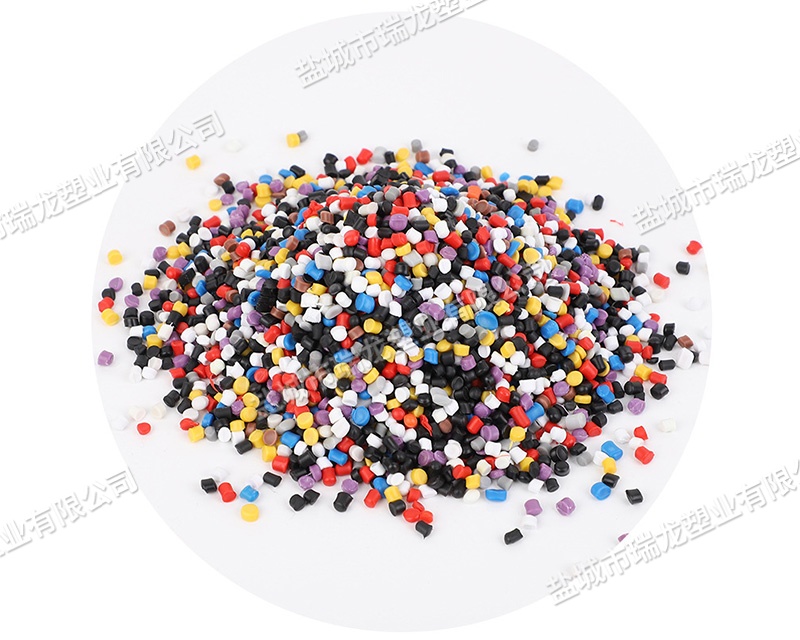
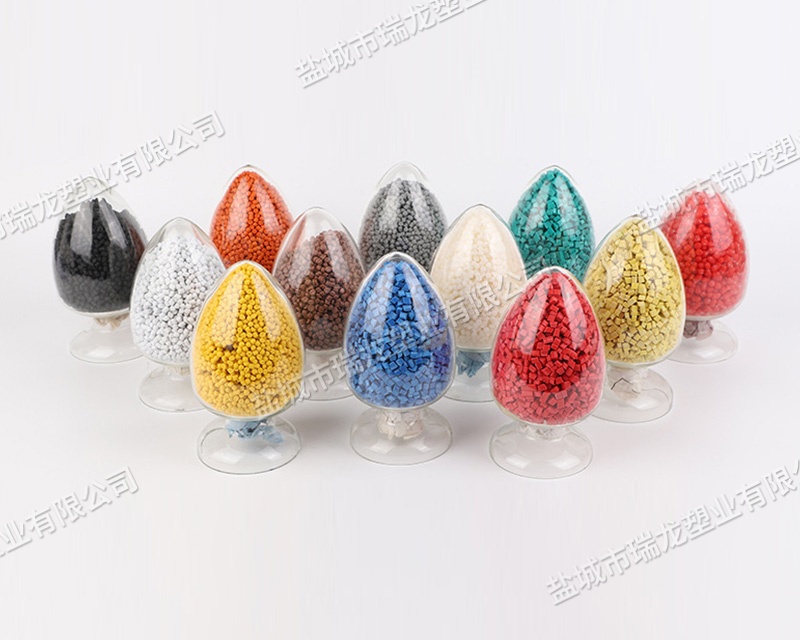
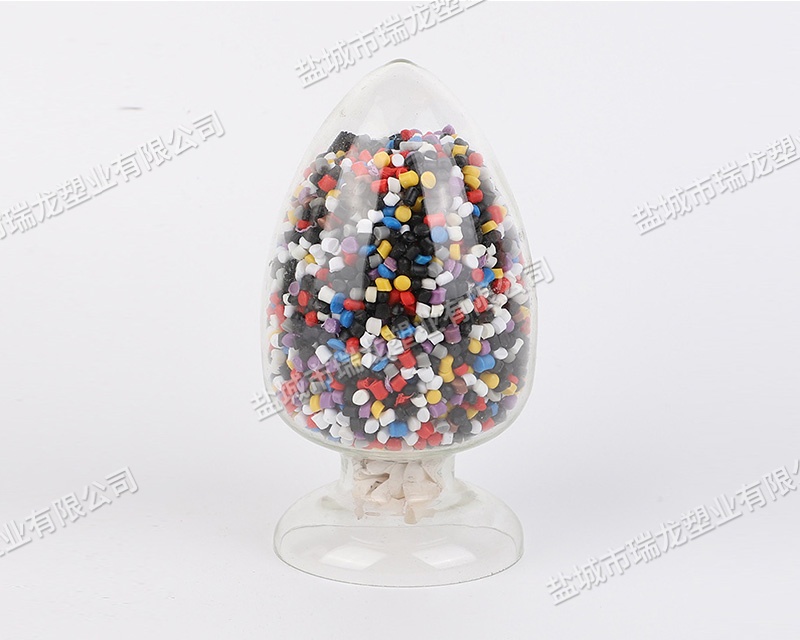
Excellent coloring performance: A wide range of custom colors (such as black, gray, red, etc.) can be achieved by adding inorganic or organic pigments. The colors are highly stable and resistant to fading, meeting identification requirements for various applications (such as phase differentiation and functional classification).
