
Essential details
Shipping:Land freight, Ocean freight
Product Introduction
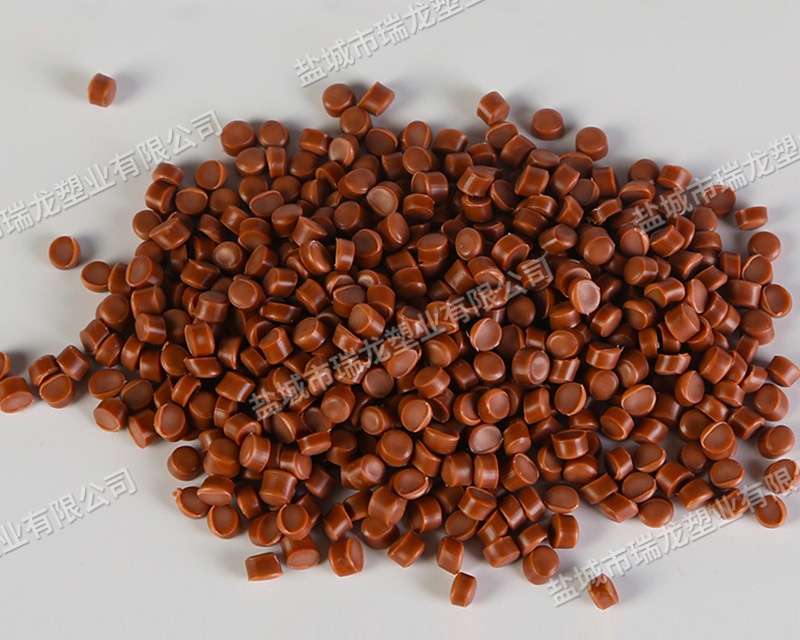
Halogen-free, low-smoke, flame-retardant polyolefin sheathing material is a functional material based on polyolefins (such as polyethylene and polypropylene). It is modified through the addition of halogen-free flame retardants—including magnesium hydroxide, aluminum hydroxide, and phosphorus-nitrogen systems—along with processing aids like antioxidants and lubricants. Specifically designed for the production of outer cable and wire sheaths, this material retains the fundamental properties of polyolefins while enhancing core performance characteristics such as flame retardancy, low smoke emission, and halogen-free composition. It is a critical material for ensuring the safety and environmental compliance of cable systems.

I. Core Characteristics of Halogen-free, Low-smoke, Flame-retardant Polyolefin Sheathing Material
(A) Halogen-free and eco-friendly: Reducing hazards at the source
No halogen release: The formulation contains no halogens such as chlorine or bromine. Consequently, it does not generate toxic or corrosive gases—like hydrogen chloride or hydrogen bromide—during processing, use, or combustion in a fire. Such gases can irritate the respiratory tract, cause skin burns, and corrode equipment circuitry; the halogen-free nature fundamentally eliminates this risk of "secondary damage," ensuring compliance with environmental standards like RoHS and REACH, as well as domestic specifications such as GB/T 19666.
Low toxicity and recyclability: The material is free from heavy metals (e.g., lead, cadmium) and volatile organic compounds (VOCs). It produces no pungent odors during processing, making it safe for workers' health. After disposal, it can be recycled via melt-processing or undergo slow natural degradation, thereby reducing soil and water pollution and aligning with "green manufacturing" principles.
(B) Low smoke and flame retardancy: Enhancing fire safety
Excellent flame retardancy and self-extinguishing capabilities: Through the synergistic action of flame retardants—such as the endothermic decomposition of metal hydroxides (which cools the material and releases water vapor to dilute oxygen) and the formation of an intumescent char layer by phosphorus-nitrogen systems (which insulates against flames and heat)—the material rapidly suppresses the spread of combustion when exposed to fire. It exhibits a slow flame propagation rate and self-extinguishes quickly once the ignition source is removed. It typically passes flame retardancy tests such as UL 94 V-0 and GB/T 18380, effectively preventing fire from spreading along the cable.
(C) Mechanical and protective properties suitable for sheathing
Excellent mechanical strength and flexibility: It possesses balanced tensile strength, elongation at break, and impact resistance, enabling it to withstand external forces—such as dragging, compression, and bending—encountered during cable laying and installation without cracking. At the same time, it maintains sufficient flexibility for installation in confined spaces or along complex routes, minimizing the risk of damage caused by excessive rigidity.
Outstanding abrasion and weather resistance: With high surface hardness, it resists friction and scraping during daily use, protecting the internal insulation layer and conductors from damage. It also exhibits strong resistance to environmental factors such as temperature extremes (operating stably between -40°C and 105°C), humidity, UV radiation, and ozone, making it suitable for indoor, outdoor, and underground applications.
(D) Good processability and compatibility
Ease of processing: Retaining the thermoplastic characteristics of polyolefins, the material can be produced using standard extrusion processes. It offers good melt flow and stable molding properties, minimizing defects such as delamination or air bubbles. It is compatible with continuous production lines for various cable sheath specifications, meeting large-scale industrial demands.
Compatibility with base materials: It bonds well with internal cable insulation materials (such as polyethylene and cross-linked polyethylene), preventing sheath-insulation separation and ensuring the structural integrity of the cable. Additionally, it is non-corrosive to conductors and does not compromise the cable's electrical performance.
(E) Supplementary electrical insulation
Although the sheath material does not serve as the primary insulation, it possesses inherent electrical insulation properties—such as high insulation resistance and low dielectric loss—that help enhance the cable's overall insulation performance. It mitigates interference from external factors (e.g., moisture, dust) on the internal conductors, thereby ensuring stable power or signal transmission.
(F) Resistance to chemical agents
It exhibits strong resistance to common agents such as water, oil, and acidic or alkaline mists. When subjected to water immersion during underground installation, or exposed to oil and humid/misty conditions in industrial environments, the material resists swelling, cracking, and performance degradation, thereby extending the cable's service life.
II. Main Application Areas for Halogen-Free, Low-Smoke, Flame-Retardant Polyolefin Sheathing Materials
(A) Building and Civil Cable Sector
Cables for densely populated areas: Power cables, fire alarm linkage cables, and emergency lighting cables used in high-rise buildings, shopping malls, hospitals, schools, and hotels require sheathing that is halogen-free and produces low smoke during a fire, thereby minimizing obstructions to personnel evacuation and rescue operations. For instance, using this material for the sheathing of fire elevator cables and evacuation guidance system cables ensures structural stability during a fire and maintains the operation of critical systems.
Residential and commercial building wiring: Sheathing for high-voltage cables (such as BV and RVV wires) and low-voltage cables (such as network and cable TV lines) in home renovations and office buildings. The halogen-free property prevents the retention of toxic substances after renovation, while the low-smoke, flame-retardant performance reduces the risk of fires caused by electrical short circuits.
(B) Rail Transit Sector
Subway and light rail cables: Power and control cables in subway tunnels, as well as onboard cables within train carriages, must meet low-smoke and flame-retardant requirements for enclosed spaces. The material's low-smoke characteristic reduces smoke accumulation in tunnels or carriages, while its flame-retardant performance prevents fire from spreading along the cables, thereby safeguarding passenger escape and equipment safety.
High-speed rail and EMU cables: Sheathing for lighting, air conditioning, and communication cables inside trains must withstand environmental factors such as vibration and temperature fluctuations. The halogen-free, low-smoke properties prevent toxicity hazards in the enclosed carriage environment, while robust mechanical properties ensure the cables do not easily sustain damage from long-term vibration.
(C) New Energy and Industrial Sectors
New energy power plant cables: Sheathing for DC cables and combiner cables in photovoltaic power plants, as well as collection cables in wind farms. Outdoor applications require resistance to sunlight, rain, snow, and temperature extremes; the halogen-free property prevents corrosion of metal components, and the flame-retardant performance reduces the risk of fires caused by equipment short circuits.
Industrial control cables: Sheathing for control and instrumentation cables in facilities such as chemical plants and metallurgical works. These cables must resist corrosion from acidic or alkaline mists and oil contamination, while the low-smoke, flame-retardant properties mitigate the spread and hazards of fire in industrial environments.
(D) Public Infrastructure and Emergency Sectors
Municipal Engineering Cables: Cable sheathing for underground utility tunnels and urban street lighting; requires resistance to moisture and soil corrosion, while halogen-free, eco-friendly properties minimize pollution of the underground environment.
Emergency Rescue Cables: Sheathing for fire emergency cables and disaster relief communication cables; requires structural integrity at fire or disaster sites, low-smoke, zero-halogen properties to ensure the safety of rescue personnel, and flame-retardant performance to extend operational time.