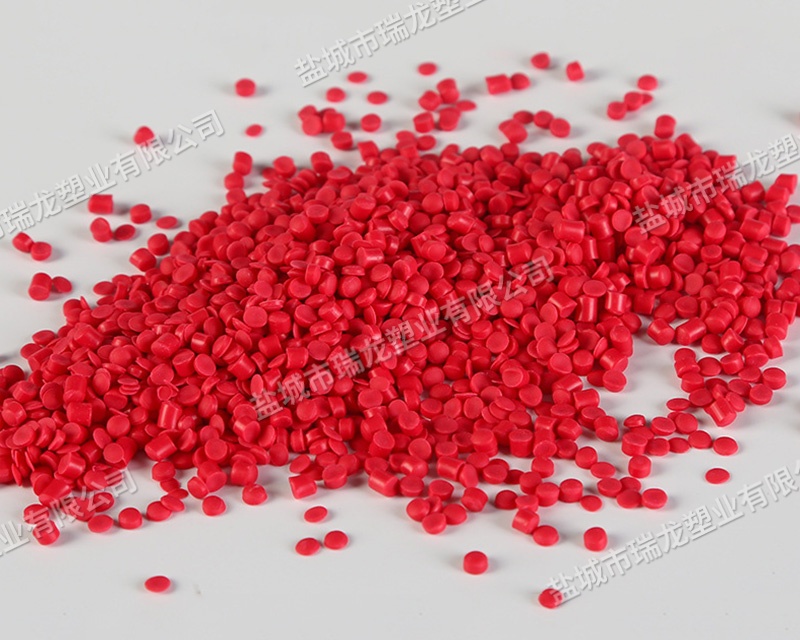
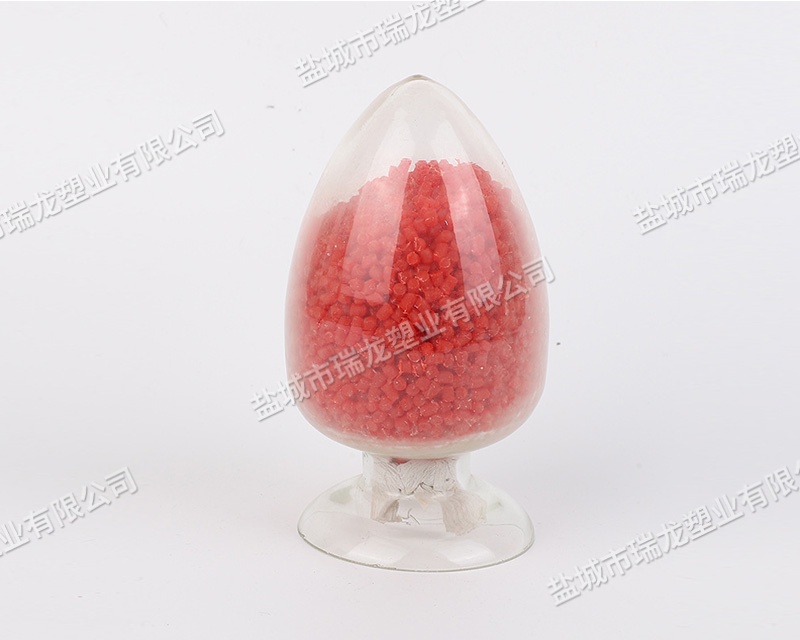

Essential details
Shipping:Land freight, Ocean freight
Product Introduction
Nitrile-modified flexible PVC cable compound is a composite elastomeric material formed by blending nitrile rubber (NBR) with flexible polyvinyl chloride (PVC). It combines the performance advantages of both base materials, offering unique value in cable insulation and sheathing applications. The following sections detail the material's characteristics and application scenarios.

I. Key Characteristics of Nitrile-Modified Flexible PVC Cable Compound
Nitrile rubber offers excellent oil resistance, elasticity, and wear resistance, while flexible PVC provides good insulation properties, processability, and cost-effectiveness. The composite material formed by blending them offers complementary performance traits, specifically:
(A) Comprehensive Upgrade in Mechanical Properties
High Flexibility and Fatigue Resistance: The incorporation of nitrile rubber enhances the material's elastic recovery. With a Shore A hardness adjustable between 50 and 85, the material resists deformation under frequent bending, twisting, and stretching. Its fatigue life exceeds that of pure flexible PVC by over 30%, making it suitable for cables subjected to long-term dynamic use.
Outstanding Wear and Tear Resistance: The molecular structure of nitrile rubber imparts superior surface wear resistance; the abrasion loss (tested according to GB/T 9867) can be as low as 0.15 cm³/1.61 km. Additionally, the tear strength ranges from 15 to 25 kN/m, enabling the material to withstand damage from sharp object scratches and mechanical impacts.
Optimized Low-Temperature Performance: Compared to pure flexible PVC, the embrittlement temperature is lowered to the range of -30°C to -20°C. The material retains good flexibility in cold environments, resolving the issues of hardening, brittleness, and cracking often associated with traditional flexible PVC at low temperatures.
(B) Enhanced Resistance to Media
Excellent Oil Resistance: The acrylonitrile groups in the nitrile rubber provide resistance to various oils, including mineral oil, vegetable oil, and diesel. Long-term exposure to oily environments does not result in swelling, cracking, or performance degradation (with a volume change rate typically below 5%), far surpassing the oil resistance capabilities of pure flexible PVC. Enhanced chemical resistance: It offers resistance to weak acids, weak bases, and organic solvents (such as alcohol and acetone), withstanding common industrial chemical contaminants and providing a broader range of chemical resistance than pure PVC.
Stable water and moisture resistance: It retains PVC's waterproof properties and exhibits low water absorption (typically <0.5%); insulation performance does not degrade due to hydrolysis in humid environments, making it suitable for cable protection in damp or wet conditions.
(C) Reliable electrical and safety performance
Compliant insulation performance: With a volume resistivity exceeding 10¹³ Ω·cm and a dielectric strength of 12–20 kV/mm, it meets insulation requirements for low- and medium-voltage cables (rated voltage ≤1 kV)—ensuring safe power and signal transmission—despite being slightly lower than that of pure flexible PVC.
Controllable flame retardancy: Through the addition of flame retardants, it can achieve UL94 V-0 ratings or meet GB/T 18380.12 standards; it produces low smoke density and minimal toxic gas emissions during combustion, complying with cable safety regulations.
Improved thermal stability: The continuous operating temperature range extends from -30°C to 80°C, with short-term tolerance up to 100°C, ensuring more stable performance in environments with significant temperature fluctuations.
(D) Balance of processing and cost-efficiency
Good processability: It is compatible with standard extrusion and injection molding processes, offering moderate melt flow and high dimensional stability, making it suitable for manufacturing cable insulation layers and sheaths of various specifications.
Moderate cost advantage: Although slightly more expensive than pure flexible PVC, it is far more cost-effective than specialty elastomers like fluoroelastomers or silicone rubber, striking an excellent balance between performance and cost.

II. Application Scenarios for Nitrile-Modified Soft PVC Cable Materials
Based on the performance characteristics mentioned above, this material is primarily used in cable applications that demand high levels of oil resistance, wear resistance, low-temperature performance, or dynamic flexibility:
(A) Industrial Equipment Connection Cables
Machine Tool Cables: Used for power and control cables in CNC machine tools and machining centers. These cables must withstand exposure to lubricants and coolants, as well as frequent dragging and bending; the material's oil and fatigue resistance ensures long-term, reliable operation.
Construction Machinery Cables: Suitable for trailing cables on excavators, cranes, and other construction machinery. They resist damage from oil leaks, outdoor low temperatures, and mechanical vibrations, ensuring stable circuit connections.
(B) Automotive and Rail Transit Cables
Automotive Internal Cables: Used for cable sheathing in areas near the engine compartment or where contact with oil is likely—such as control harnesses near fuel systems and transmissions. They withstand exposure to engine oil and gasoline while accommodating temperature fluctuations within the engine compartment.
Subway/Light Rail Auxiliary Cables: Used as sheathing material for cables in systems such as door controls and air conditioning on rail vehicles. It meets requirements for dynamic bending during operation, resistance to oily environments, and flame retardancy.
(C) Elevator and Hoisting Equipment Cables for Specialized Environments
Elevator Cables for Oily Environments: Used in scenarios where contact with lubricants is possible, such as freight elevators in shopping malls or industrial elevators. Using this material for the cable sheath prevents aging and cracking caused by oil exposure, thereby extending service life.
Hoisting Machinery Cables: Used as hanging cables for equipment such as bridge cranes and tower cranes. These cables must withstand the bending fatigue associated with frequent lifting and lowering, as well as environmental exposure; the material's wear and weather resistance enhance cable reliability.
(D) Cables for Other Industrial Scenarios
Oilfield and Mining Cables: Used for cables on oil extraction equipment or mining machinery. They resist oil, mud, and mechanical friction, ensuring safe power transmission in harsh operating environments. Marine Cables: Non-high-voltage cables designed for use on ship decks or in engine rooms; they are resistant to seawater moisture, engine oil contamination, and mechanical shock/vibration, meeting the operational requirements for marine electrical equipment.
III. Application Considerations
Usage Environment Limitations: While offering good oil resistance, these cables are not suitable for scenarios involving prolonged exposure to strong solvents (e.g., benzene, toluene) or high temperatures (continuous exposure above 80°C); appropriate models must be selected based on the specific medium and temperature conditions.
Processing Control: During the blending process, ensure uniform dispersion of the nitrile rubber and PVC to prevent performance fluctuations caused by uneven mixing; strictly control the temperature during extrusion (typically 150–180°C) to avoid material decomposition.
Environmental Compliance: Select products that meet environmental standards such as RoHS and REACH to ensure that levels of harmful substances—such as plasticizers and heavy metals—remain within permissible limits, thereby aligning with green manufacturing requirements.