
Essential details
Shipping:Land freight, Ocean freight
Product Introduction
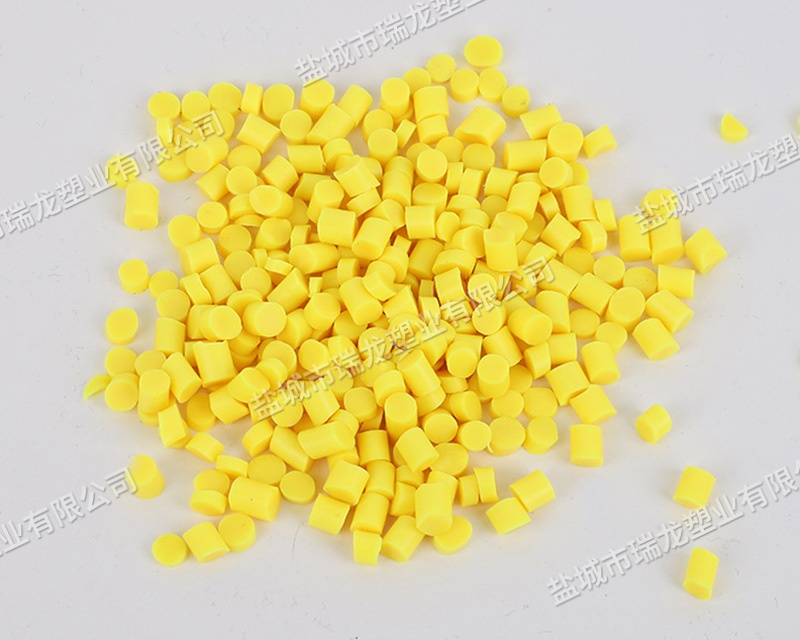
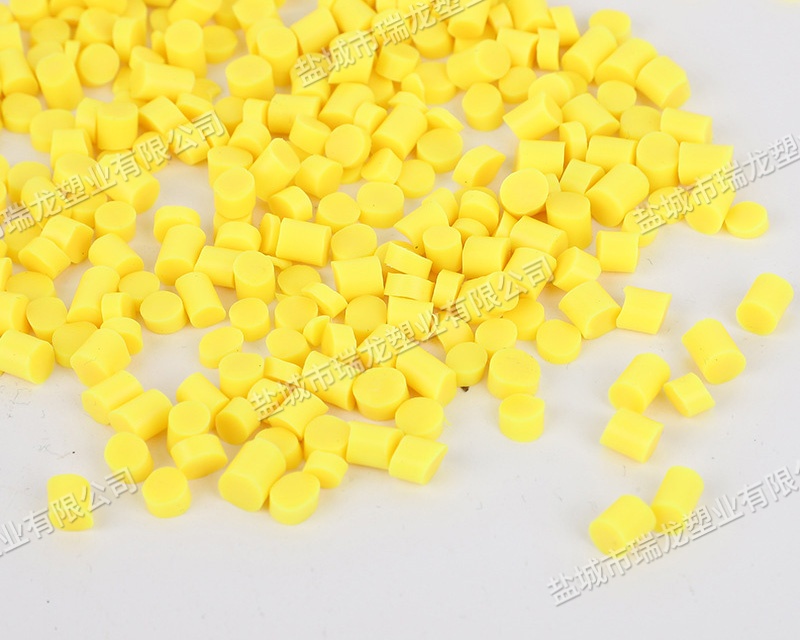
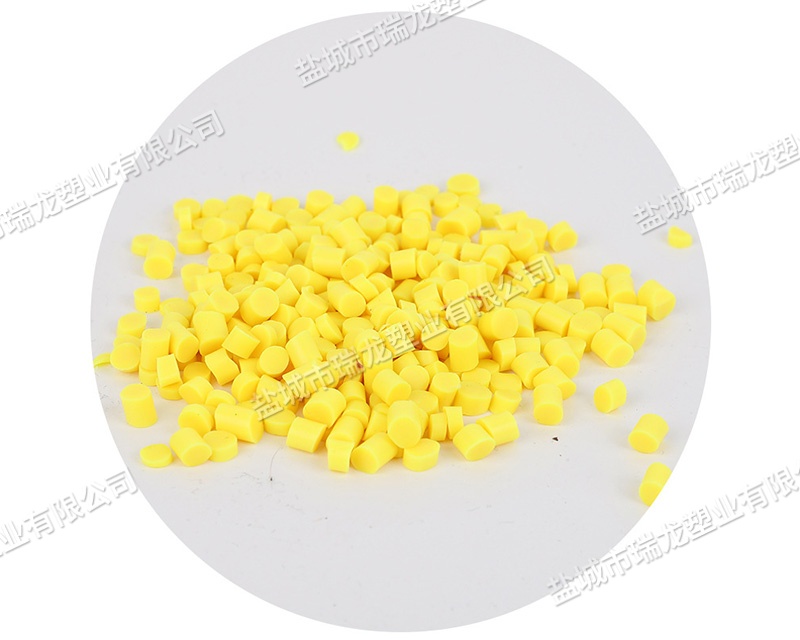
Photovoltaic (PV) cable materials are insulation and sheathing compounds specifically designed for cables in solar PV systems. They must withstand harsh environments—such as long-term outdoor exposure, high-low temperature cycling, and UV radiation—while meeting requirements for high insulation reliability and a long service life. Currently, the mainstream materials used are cross-linked polyolefins (such as irradiation cross-linked PE), though weather-resistant modified PVC or fluoroplastics are also used in certain applications. The core characteristics and application scenarios are detailed below.

I. Core Characteristics of PV Cable Materials
PV cable materials must balance electrical, weather-resistant, and mechanical properties with long-term stability. Their core characteristics are as follows:
(A) Excellent Weather Resistance and Resistance to Environmental Aging
(B) Reliable Electrical Insulation Performance
(C) Excellent Mechanical Properties
(D) Chemical and Media Resistance
(E) Long-term Stability and Processing Adaptability

II. Application Scenarios for Photovoltaic Cable Materials
The application of photovoltaic (PV) cable materials is closely linked to the structural composition of PV systems. These materials are primarily used for the insulation and sheathing of cables connecting key equipment such as PV modules, inverters, and combiner boxes. Specific application scenarios include:
(A) Cables for Internal Module Connections and String Interconnections
(B) Cables Connecting Combiner Boxes and Inverters
(C) Specialized Cables for Different PV Plant Installation Types
(D) Auxiliary cables for specialized PV systems
Environmental and safety compliance: For photovoltaic power plants located in ecologically sensitive areas (such as the vicinity of nature reserves), select eco-friendly cable materials that are low-smoke, halogen-free, and compliant with heavy metal standards to minimize potential environmental impact.