
Essential details
Shipping:Land freight, Ocean freight
Product Introduction
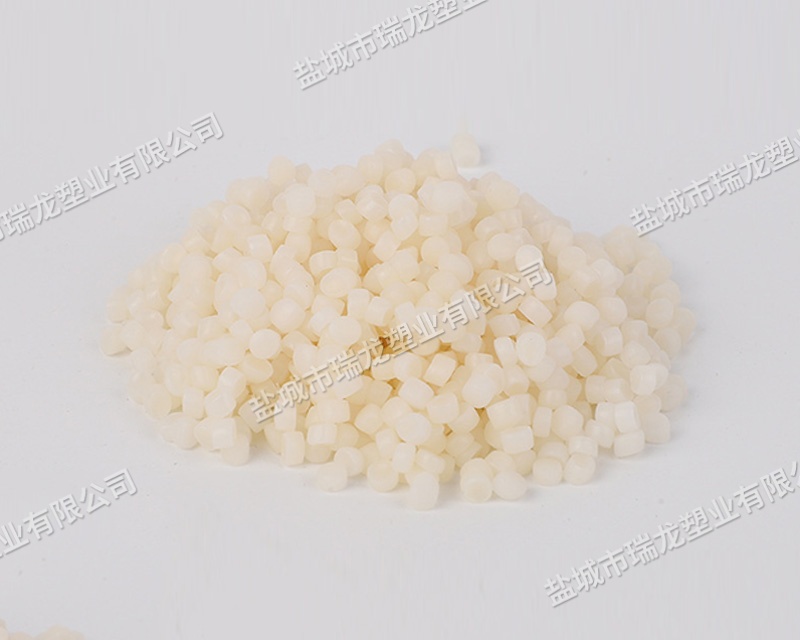
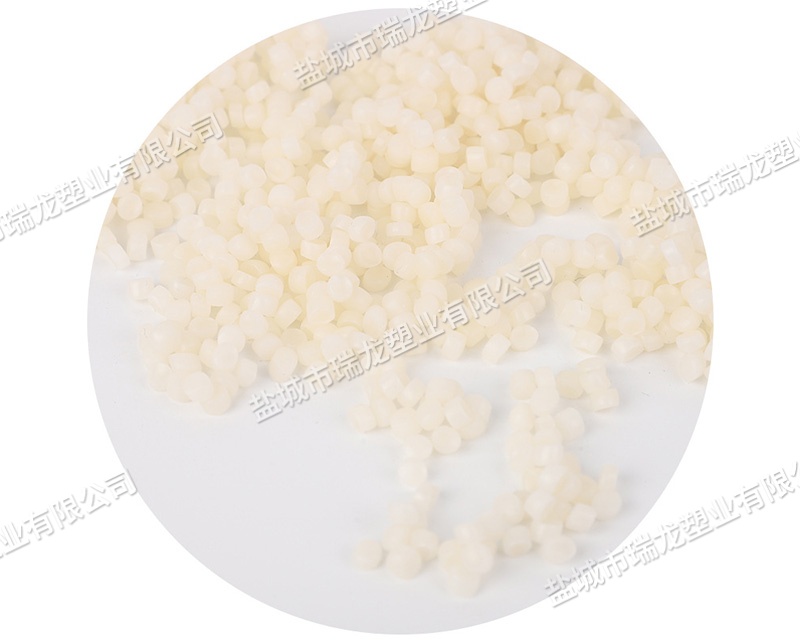
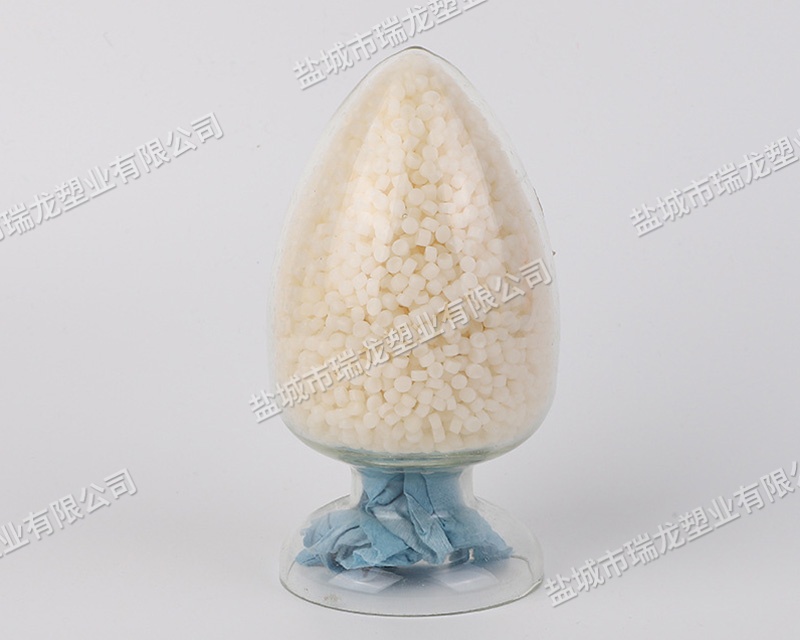
Irradiation-crosslinked, halogen-free, low-smoke, flame-retardant cable material is a functional material featuring a three-dimensional network structure. It is produced by modifying a polyolefin base (such as polyethylene or ethylene-vinyl acetate copolymer) with additives—including halogen-free flame retardants (e.g., magnesium hydroxide, aluminum hydroxide, or phosphorus-nitrogen-based flame retardants), antioxidants, and crosslinking agents—and subsequently subjecting the mixture to electron-beam or gamma-ray irradiation to induce molecular chain crosslinking.
Building upon its halogen-free, low-smoke, and flame-retardant properties, the crosslinking process enhances the material's mechanical strength, heat resistance, and stability, making it a core material for cable insulation and sheathing.

I. Key Characteristics of Irradiation-Crosslinked, Halogen-Free, Low-Smoke, Flame-Retardant Cable Material
(A) Halogen-free, low-smoke, and flame-retardant: Strengthening safety and environmental protection
Halogen-free and non-toxic, reducing secondary hazards: The formulation contains no halogens (such as chlorine or bromine) or heavy metals (such as lead or cadmium). During combustion, it does not release toxic or corrosive gases like hydrogen chloride or hydrogen bromide, thereby preventing chemical burns to the respiratory tract or skin and avoiding equipment corrosion. It complies with environmental standards such as RoHS, REACH, and GB/T 19666; it produces no pungent odors during processing or use, making it more friendly to both the production environment and end-users.
Low smoke and high light transmittance, optimizing conditions for fire escape: Smoke generation during combustion is minimal, with a Smoke Density Rating (SDR) typically ≤50 and light transmittance ≥60% (exceeding 80% for some products). In the event of a fire, reduced smoke levels minimize the obstruction of visibility in evacuation routes and lower the risk of personnel suffering from smoke-induced asphyxiation or disorientation, thereby securing critical time for rescue and escape. Excellent Flame Retardancy and Self-Extinguishing Properties: Through the synergistic action of flame retardants (such as metal hydroxides absorbing heat and releasing water vapor to dilute oxygen, and phosphorus-nitrogen systems forming an intumescent char layer to block flames), the material exhibits superior flame-retardant performance. It passes rigorous tests such as UL 94 V-0 and GB/T 18380.3; it demonstrates slow flame propagation upon ignition, rapidly self-extinguishes once the ignition source is removed, and effectively prevents the spread of fire along the cable.
(B) Irradiation Cross-linking: Enhancing Material Stability
High-Temperature Resistance and Thermal Deformation Resistance: The three-dimensional network structure formed after cross-linking significantly boosts the material's high-temperature resistance. Long-term operating temperatures can reach 90°C–125°C (or higher), and it can withstand short-term overloads exceeding 150°C—far surpassing non-cross-linked polyolefins (typically ≤70°C). The material resists softening, melting, or dripping in high-temperature environments, ensuring structural integrity during overloads or short circuits.
Comprehensive Enhancement of Mechanical Properties: Cross-linking increases tensile strength by 30%–50% while maintaining good elongation at break; impact resistance, abrasion resistance, and tear resistance are also improved. The material is resistant to damage from mechanical forces (such as dragging, crushing, or bending), withstands physical stresses during cable installation and long-term use, and extends the cable's service life.
Chemical and Environmental Aging Resistance: The cross-linked structure enhances resistance to chemical agents such as water, oil, and acidic or alkaline mists, making the material less prone to swelling, cracking, or performance degradation. Additionally, resistance to UV radiation and ozone aging is improved; the material does not easily become brittle or crack under conditions of outdoor sun exposure or temperature fluctuations, making it suitable for complex climatic environments.
(C) Stable Electrical Properties: Ensuring Transmission Reliability
Excellent Insulation Performance: The stabilized molecular structure resulting from cross-linking yields high insulation resistance (typically ≥10¹⁴ Ω·cm), low dielectric loss, and high dielectric strength (≥25 kV/mm). This enables stable power or signal transmission in high-frequency and high-voltage environments while minimizing signal interference and energy loss. Creep Resistance and Dimensional Stability: The 3D network structure inhibits molecular chain slippage, making the material resistant to creep (deformation) under sustained stress or high temperatures. This ensures the dimensional stability of the cable sheath or insulation layer, preventing conductor exposure or structural failure caused by deformation.
(D) Advantages in Processing and Application
Flexible and Controllable Irradiation Cross-linking Process: The base material is first extruded into cable insulation or sheathing and subsequently cross-linked via electron-beam irradiation. The degree of cross-linking can be precisely regulated by adjusting the radiation dosage (typically achieving ≥65%), making the process suitable for the mass production of various cable specifications. Furthermore, the process generates no toxic by-products, meeting clean production standards.
Excellent Compatibility with Conductors and Other Materials: The material exhibits optimal adhesion to conductors such as copper and aluminum without causing corrosion. It is also highly compatible with other cable components (e.g., shielding and filler layers), resisting delamination and ensuring the structural integrity of the cable as a whole.