
Essential details
Shipping:Land freight, Ocean freight
Product Introduction
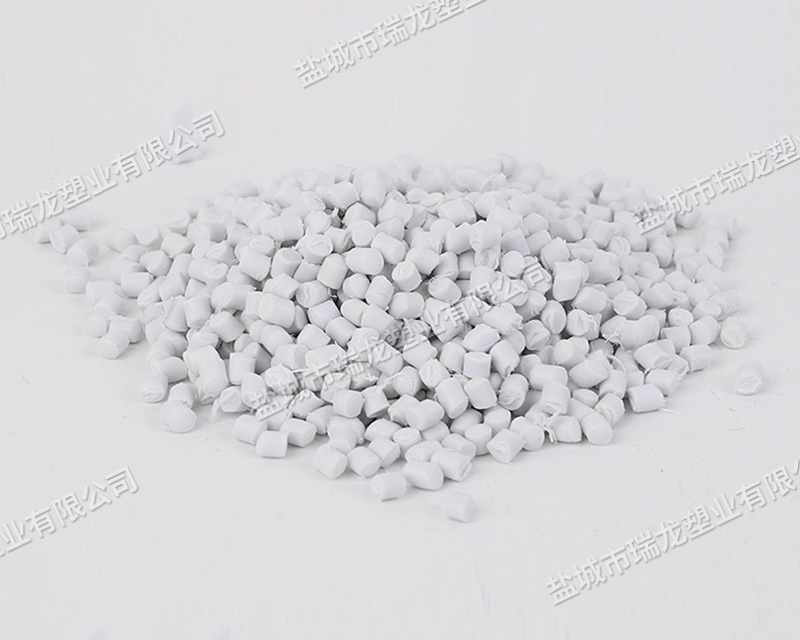
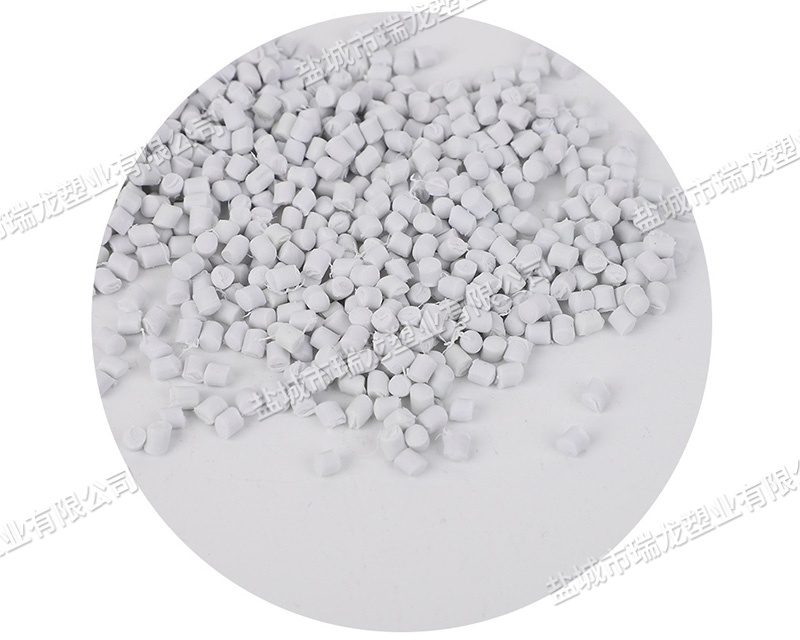
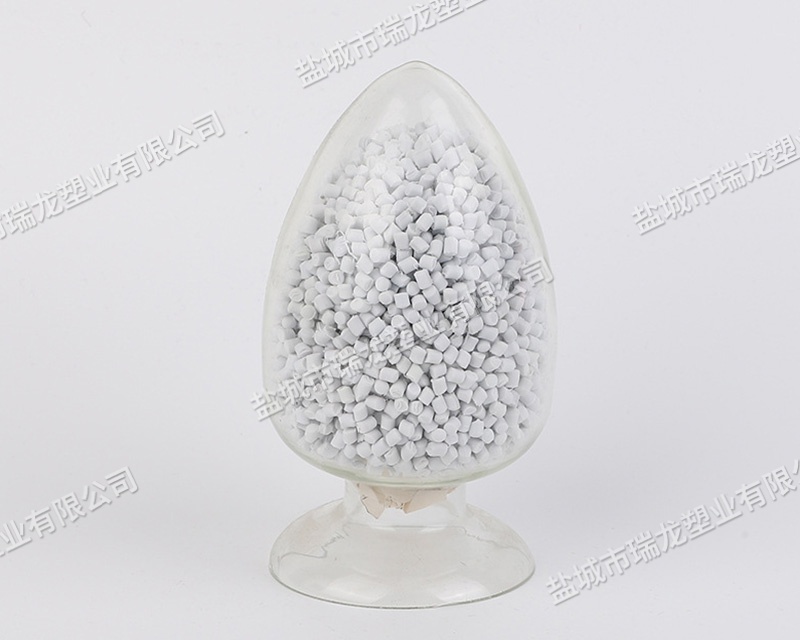
Soft PVC elastic granules are functional materials characterized by high elasticity and flexibility, produced by compounding PVC resin with additives such as plasticizers, stabilizers, and lubricants, followed by granulation. Their key advantages lie in their softness, moldability, weather resistance, and cost-effectiveness; they are widely used in applications requiring elastic sealing, flexible connections, or a comfortable tactile feel.

I. Key Characteristics
1. Excellent Flexibility and Elasticity
High Elastic Recovery: Elongation at break typically reaches 200%–500% (far exceeding the 10%–30% of rigid PVC). The material rebounds quickly after stretching and resists deformation during long-term use, making it ideal for applications involving repeated bending or compression (e.g., sealing strips, hoses).
Adjustable Low Hardness: By varying the plasticizer content (typically 15%–40%), the hardness can be flexibly adjusted between Shore A 30 and 90. This range covers everything from a "soft, rubber-like feel" to a "semi-rigid elastomer," meeting diverse tactile requirements.
Low-Temperature Flexibility: Through the use of cold-resistant plasticizers (such as adipates), the material retains flexibility in temperatures ranging from -30°C to 0°C. It resists embrittlement and cracking, overcoming the low-temperature brittleness issues common in standard rigid PVC.
2. Good Physical and Chemical Stability
Weather and Aging Resistance: With the addition of antioxidants and UV absorbers, the material withstands prolonged sun exposure and wind/rain erosion. It offers an outdoor service life of 5–10 years, making it suitable for outdoor seals and products.
Chemical Corrosion Resistance: It exhibits resistance to water, weak acids, weak alkalis, and oils/greases. It does not easily swell or degrade upon contact with common liquids, making it suitable for environments involving water or detergents (e.g., bathroom seals, kitchen hoses). **Basic Insulation and Flame Retardancy:** Offers excellent electrical insulation (volume resistivity ≥10¹³ Ω·cm), providing supplementary insulation protection; flame retardancy can reach the UL 94 V-2 level through the addition of flame retardants, meeting basic fire safety requirements.

3. Flexible and Convenient Processing
**Diverse Molding Methods:** Can be processed via conventional techniques such as extrusion, injection molding, calendering, and blow molding; exhibits good melt flow, making it suitable for manufacturing complex shapes (e.g., custom-profile seals, corrugated tubes, films).
**Ease of Coloring and Surface Finishing:** Customizable in various colors (red, blue, yellow, etc.) through pigment addition; surfaces can undergo treatments like matte finishing or flocking to enhance aesthetics and tactile feel (e.g., luggage accessories, decorative strips).
**Strong Compatibility for Secondary Processing:** Can be bonded or laminated with materials such as metal, fabric, and rubber to create multi-layer structures via adhesive bonding or heat pressing, thereby expanding application scenarios (e.g., wire and cable sheathing, waterproof membranes).
4. Balanced Cost-Performance Advantage
**Outstanding Cost-Performance Ratio:** Raw material costs are lower than those of elastomers like natural rubber or silicone (approximately 1/3 to 1/2 the cost of silicone), and processing energy consumption is low, making it ideal for the mass production of mid-to-low-end elastic products.
**Wide Range of Tunable Properties:** Properties can be flexibly adjusted—balancing characteristics such as "high elasticity vs. high hardness" or "low-temperature resistance vs. oil resistance"—by modifying the type and proportion of plasticizers, meeting customized needs without changing the base raw material system.
5. Optimized Safety and Environmental Performance
**Compliance with Basic Safety Standards:** Food-contact grade soft PVC granules are certified under GB 4806.7 or FDA 21 CFR 177.1680, allowing for use in applications such as tableware seals and food-grade hoses (requires the use of eco-friendly plasticizers like epoxidized soybean oil).
**Reduced Toxicity:** Utilizes lead-free stabilizers and eco-friendly plasticizers (such as citrates) to replace traditional phthalates, minimizing the leaching of harmful substances and ensuring compliance with environmental regulations like EU RoHS and REACH.