
Essential details
Shipping:Land freight, Ocean freight
Product Introduction
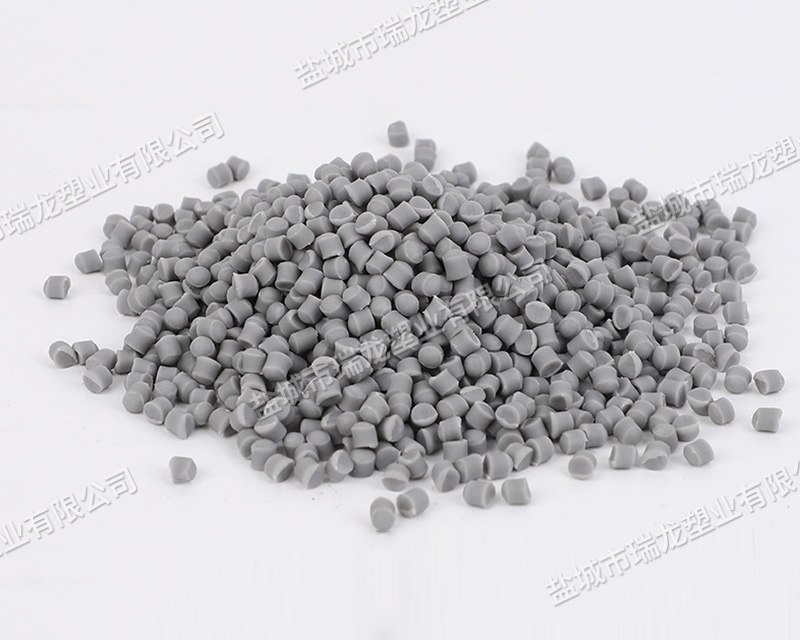
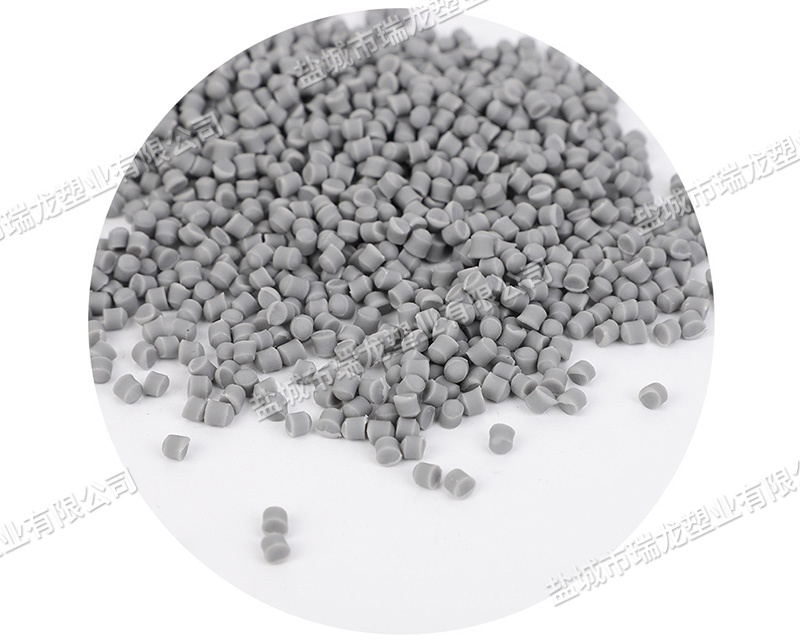
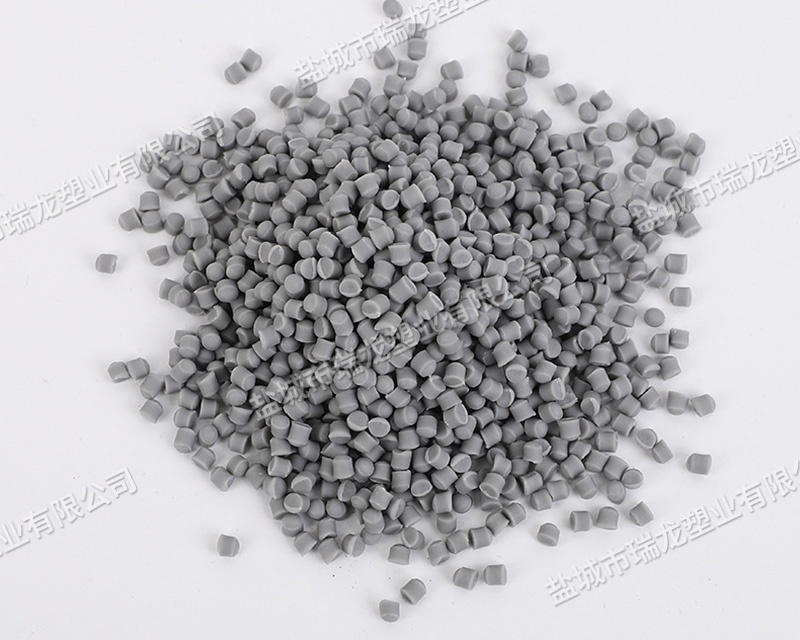
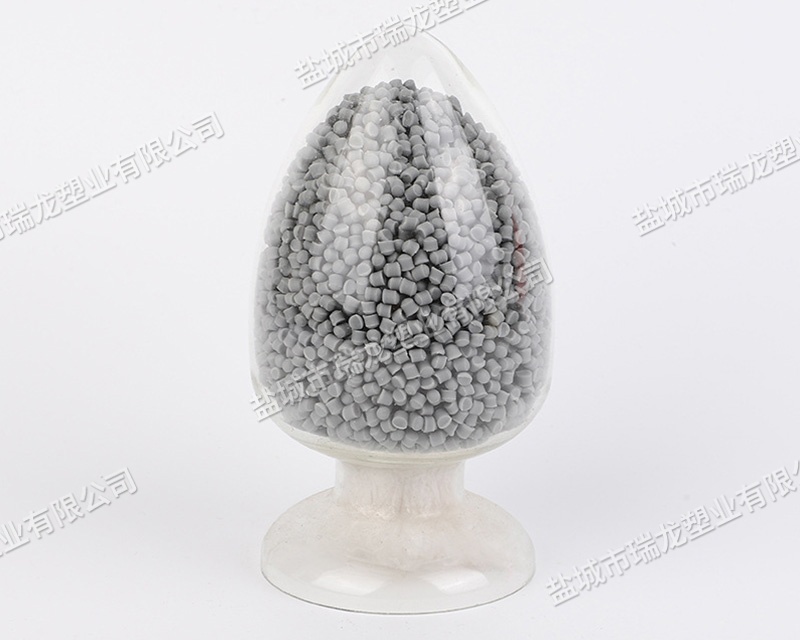
Thermoplastic halogen-free, low-smoke, flame-retardant polyolefin is a functional material based on polyolefins (such as polyethylene and polypropylene) and modified with halogen-free flame retardants (such as magnesium hydroxide, aluminum hydroxide, and phosphorus-nitrogen compounds). Combining thermoplastic processing characteristics, halogen-free eco-friendliness, and low-smoke flame-retardant properties, it is a key material for upgrading fire safety and environmental standards in sectors such as cables and piping.

I. Core Characteristics of Thermoplastic Halogen-Free, Low-Smoke, Flame-Retardant Polyolefin
(A) Halogen-free, Eco-friendly, and Safe
No Halogen Residue: The material formulation contains no halogen elements such as chlorine or bromine. It does not release toxic gases—such as hydrogen chloride or hydrogen bromide—during production, use, or disposal. This fundamentally eliminates the issue of "secondary toxicity" associated with the combustion of traditional halogenated materials. It complies with environmental standards such as the EU's RoHS and China's GB/T 19666, making it safer for human health and the environment.
Low Toxicity and Low Pollution: In addition to being halogen-free, the material typically contains no harmful heavy metals (such as lead or cadmium) or volatile organic compounds (VOCs). It is odorless during processing, and post-disposal, it can be recycled or naturally degraded to minimize soil and water pollution, aligning with the requirements for green development.
(B) Low-Smoke and Flame-Retardant: Superior Fire Safety
Flame Retardancy and Self-Extinguishing Properties: Through the synergistic action of halogen-free flame retardants—such as the endothermic decomposition of metal hydroxides (which cools the material and releases water vapor to dilute oxygen) or the formation of an intumescent char layer by phosphorus-nitrogen compounds (which insulates against flames)—the material rapidly suppresses combustion reactions when exposed to fire. It exhibits slow flame spread and self-extinguishes quickly once the ignition source is removed. It meets multiple flame-retardancy standards, such as GB/T 18380 and UL 94 V-0, effectively preventing the spread of fire. Low Smoke Emission: It produces minimal smoke during combustion with high light transmittance (typically with a smoke density rating of SDR ≤ 60). This reduces evacuation difficulties caused by smoke obscuring visibility and prevents particulate matter from obstructing airways, thereby significantly lowering the risk of fire-related casualties; it is particularly suitable for enclosed or densely populated spaces.
(C) Thermoplastic Processing and High Adaptability
Excellent Processing Performance: It retains the thermoplastic characteristics of polyolefins and can be formed using standard plastic processing techniques such as extrusion, injection molding, and blow molding. It offers a wide processing temperature range and good melt flowability, is resistant to cracking or delamination, and enables stable production of cable sheaths, insulation layers, or piping in various specifications—making it ideal for large-scale industrial manufacturing.
Ease of Secondary Processing: The material possesses a degree of flexibility and plasticity, allowing for post-processing operations such as cutting, bending, and welding to meet installation requirements in complex scenarios. Additionally, the processing consumes less energy and offers high production efficiency.
(D) Balanced Mechanical and Environmental Resistance
Reliable Mechanical Properties: It exhibits balanced tensile strength, elongation at break, and impact resistance. It can withstand mechanical stresses—such as dragging, compression, and bending—encountered during laying and installation, protecting internal structures (like cable conductors) from damage and resisting cracking or aging during long-term use.
Weather and Chemical Resistance: It offers strong resistance to environmental factors such as temperature extremes, humidity, UV radiation, and acidic or alkaline mists. It maintains stable performance within a temperature range of -40°C to 105°C, making it suitable for diverse settings including indoor, outdoor, and underground environments. It also resists degradation from oil and water immersion, thereby extending service life.
(E) Stable Electrical Insulation Performance
When used as cable insulation or sheathing material, it provides high insulation resistance and excellent dielectric strength. It effectively prevents current leakage and electrical faults such as short circuits, ensuring stable power or signal transmission while maintaining effective insulation even in humid environments.
II. Key Application Areas for Thermoplastic Halogen-Free, Low-Smoke, Flame-Retardant Polyolefins
(A) Wire and Cable Sector
Cables for Buildings: Power, fire-safety, and control cables used in high-rise buildings, shopping malls, hospitals, schools, and other densely populated areas. In critical zones such as stairwells, elevator shafts, and evacuation routes, their low-smoke and halogen-free properties minimize smoke and toxic hazards during fires, thereby ensuring safety for escape and rescue operations.
Rail Transit Cables: Onboard cables and trackside cables for subways, high-speed trains, and light rail systems. These must meet low-smoke and flame-retardant standards for enclosed carriages and tunnels, while their vibration resistance and ability to withstand extreme temperatures suit the operational environments of these vehicles.
New Energy Cables: DC and AC cables for photovoltaic power plants and wind farms. Outdoor applications require resistance to weather conditions such as sunlight, rain, and snow; the halogen-free nature prevents corrosion of metal components, while flame-retardant properties reduce the risk of fires caused by equipment short circuits.
Communication Cables: Signal transmission cables for data centers and communication base stations. Low-smoke characteristics minimize contamination of precision equipment during fires, and insulation stability ensures uninterrupted signal transmission.
(B) Piping and Fittings Sector
Building Water Supply and Drainage Pipes: Used for hot water lines and fire sprinkler systems in high-rise buildings or facilities with strict fire safety requirements. Flame-retardant properties reduce the risk of combustion during a fire, while halogen-free, eco-friendly characteristics prevent water contamination.
Conduits and Protective Piping: Conduits for protecting wires and cables—whether buried underground or embedded in walls. The material's corrosion resistance and flame retardancy enhance the safety of the piping system and extend maintenance intervals.
(C) Other Industrial and Specialized Applications
Automotive Industry: Sheathing for internal wiring harnesses and battery pack connection harnesses in new energy vehicles. Materials must meet halogen-free environmental standards and flame-retardancy requirements to reduce the risk of vehicle fires while withstanding the high-temperature environment of the engine compartment.
Marine and Offshore Engineering: Cable sheathing and piping within vessels. These must withstand high humidity and salt spray corrosion; halogen-free properties minimize pollution in the marine environment, while low-smoke, flame-retardant performance ensures safety within the enclosed spaces of the ship's cabin. Emergency and public safety facilities: such as fire equipment connection cables and emergency lighting circuits; the materials maintain structural and performance stability during the initial stages of a fire, ensuring the proper operation of emergency systems.