

Essential details
Shipping:Express Delivery
Product Introduction
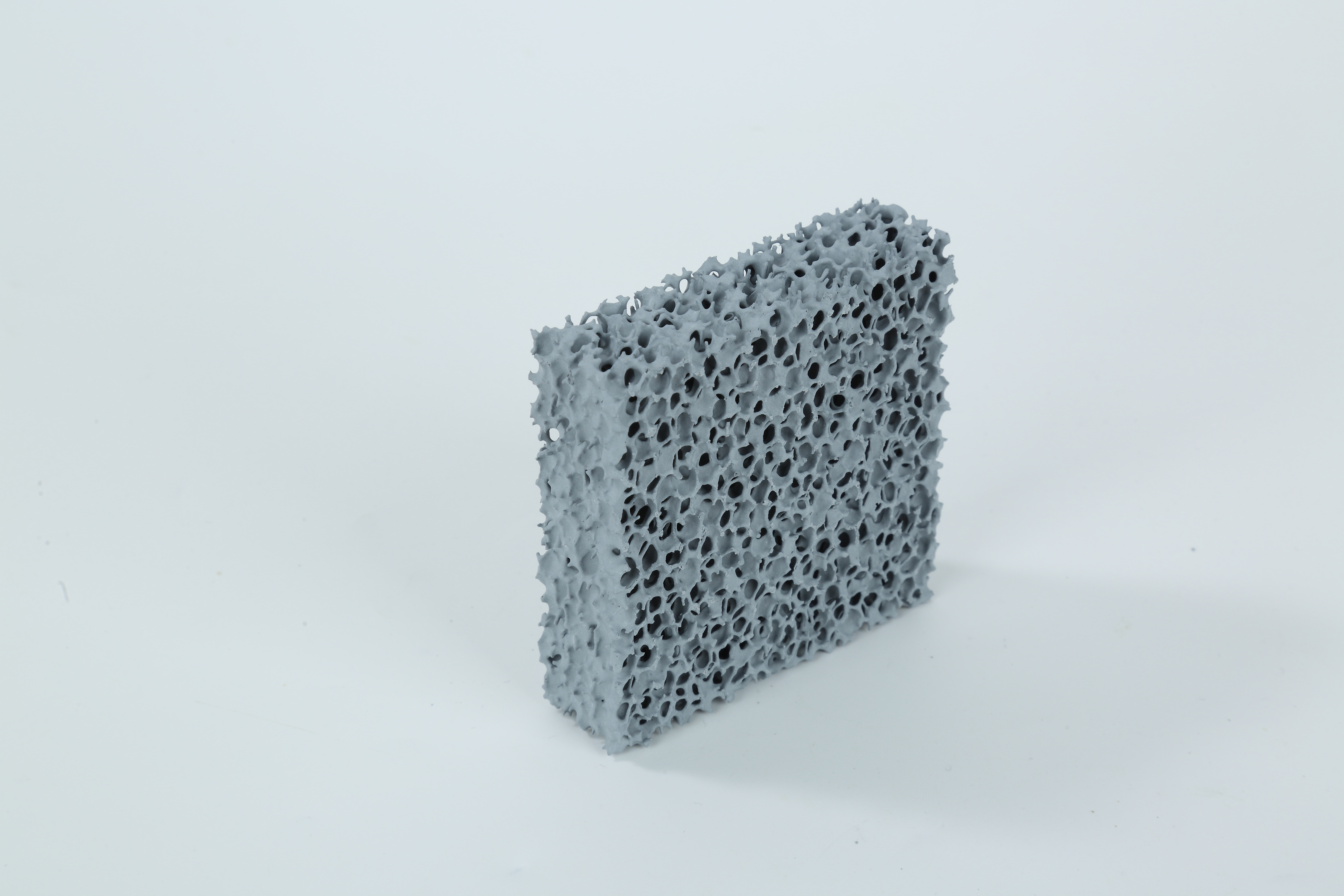
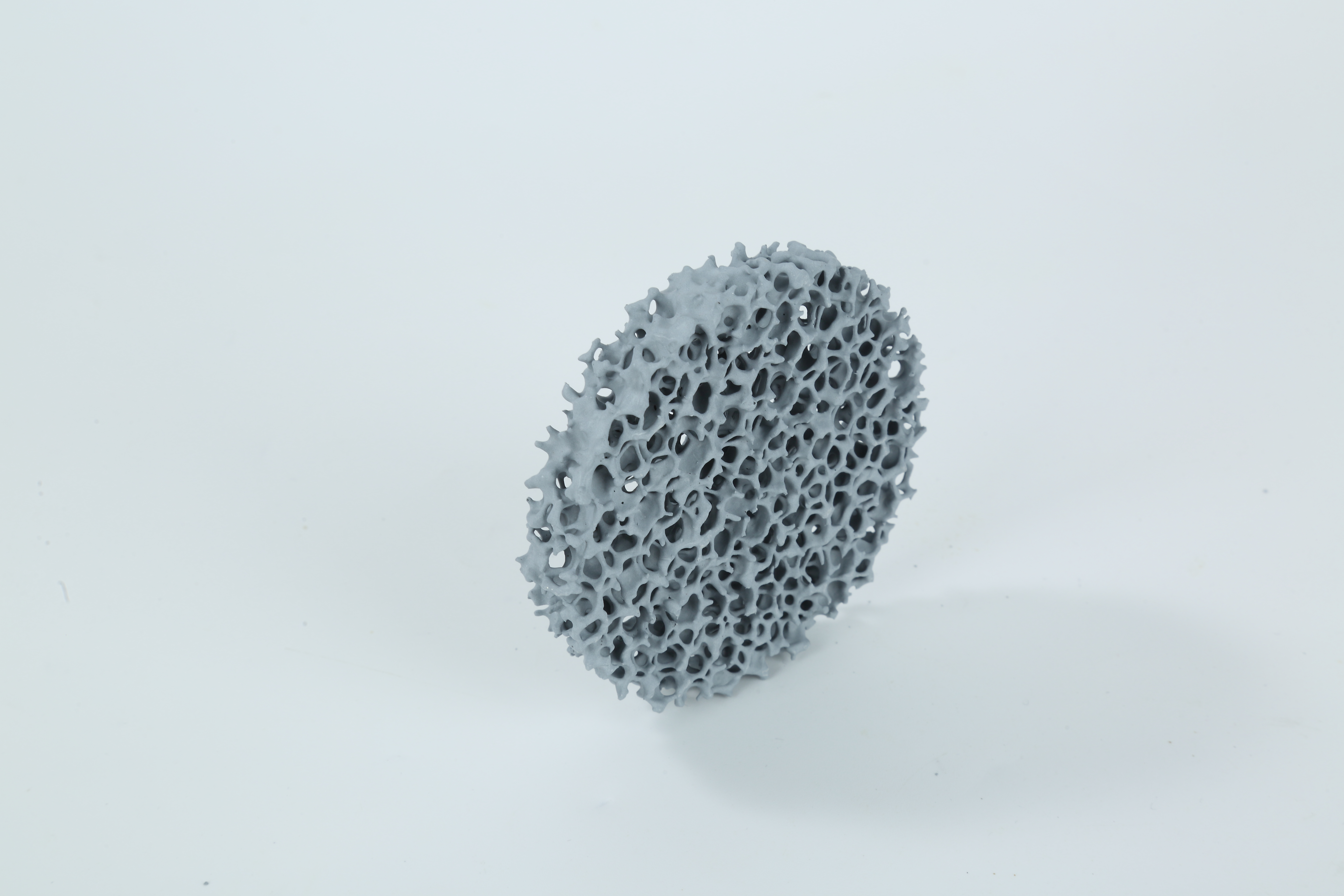
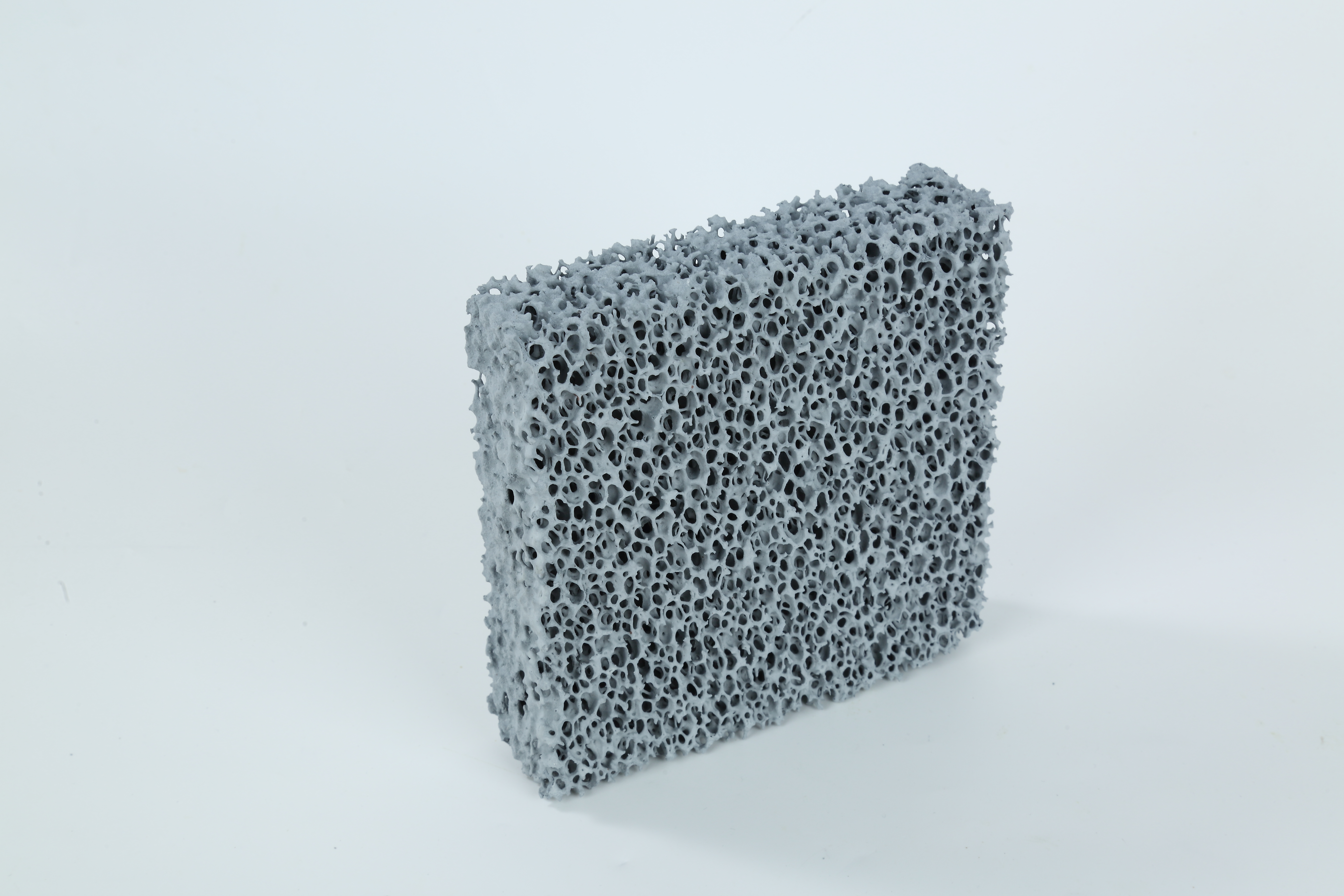
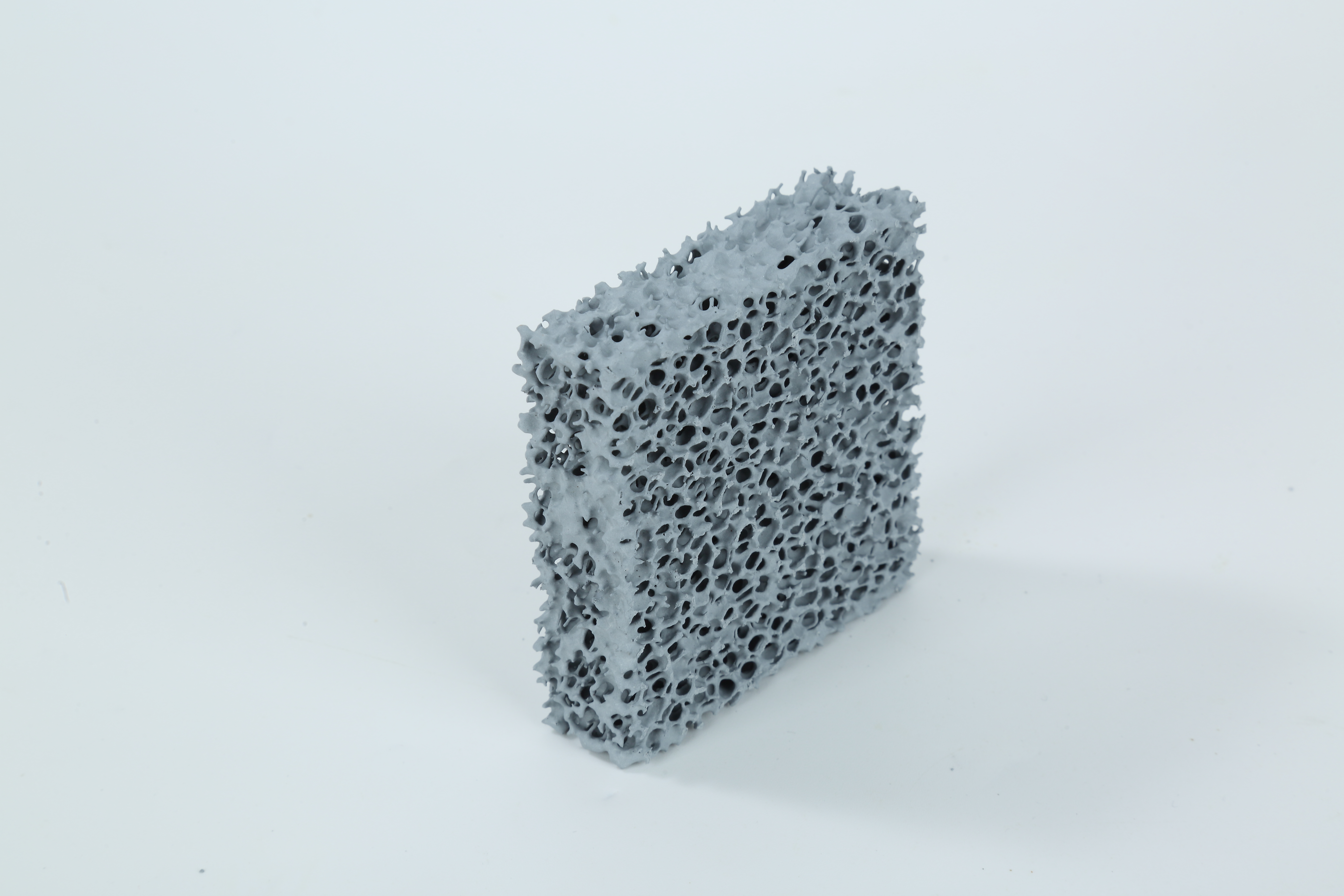
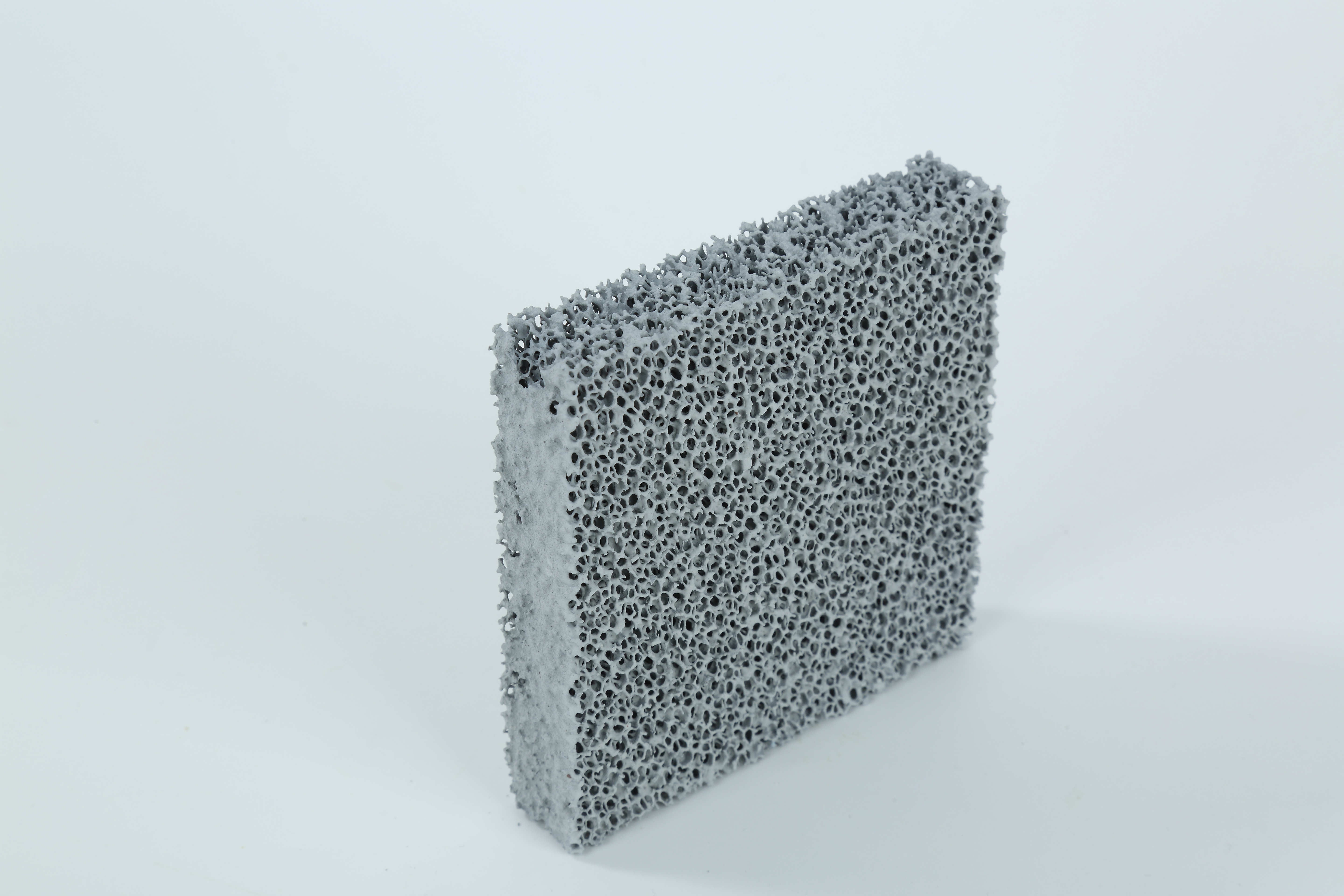
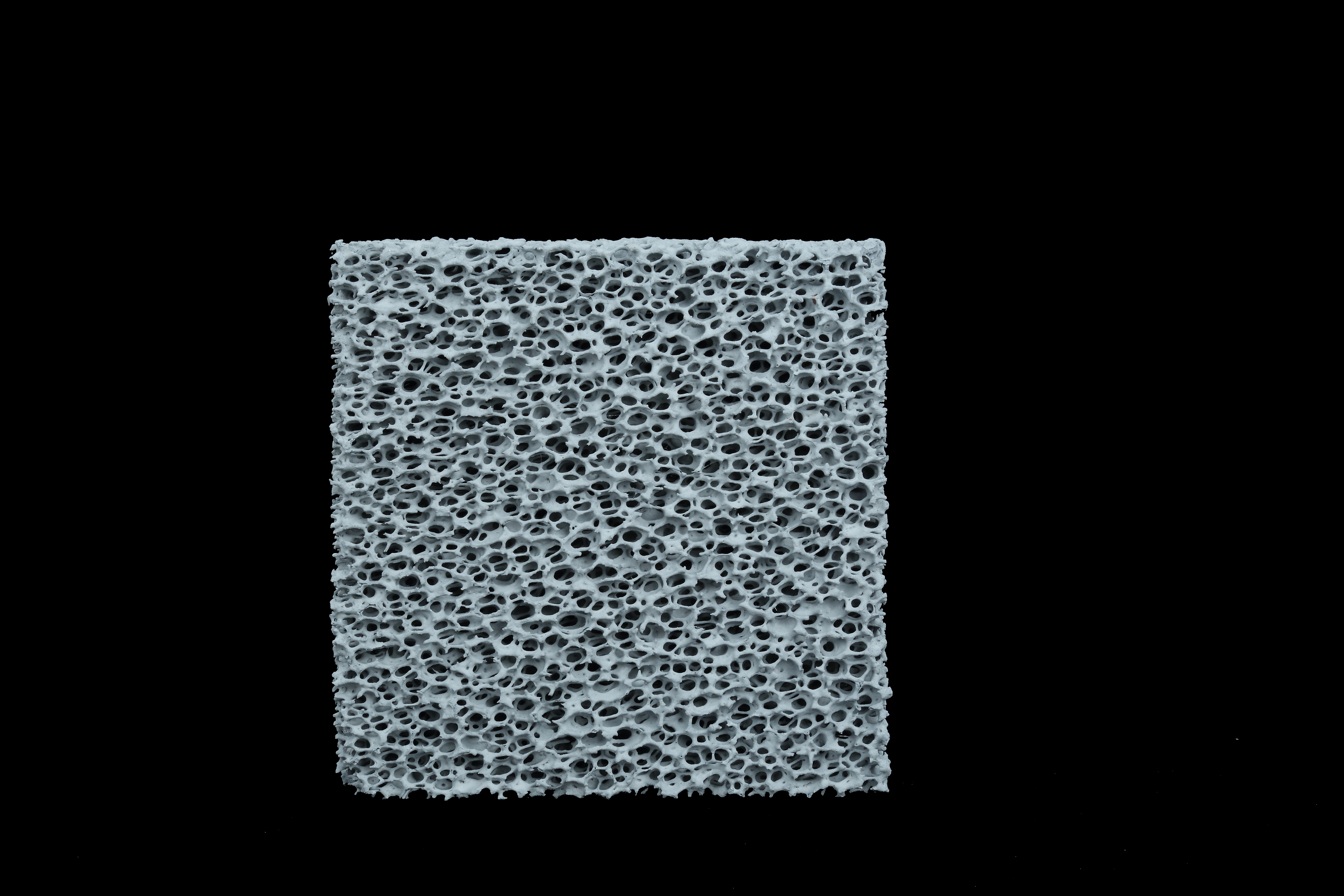
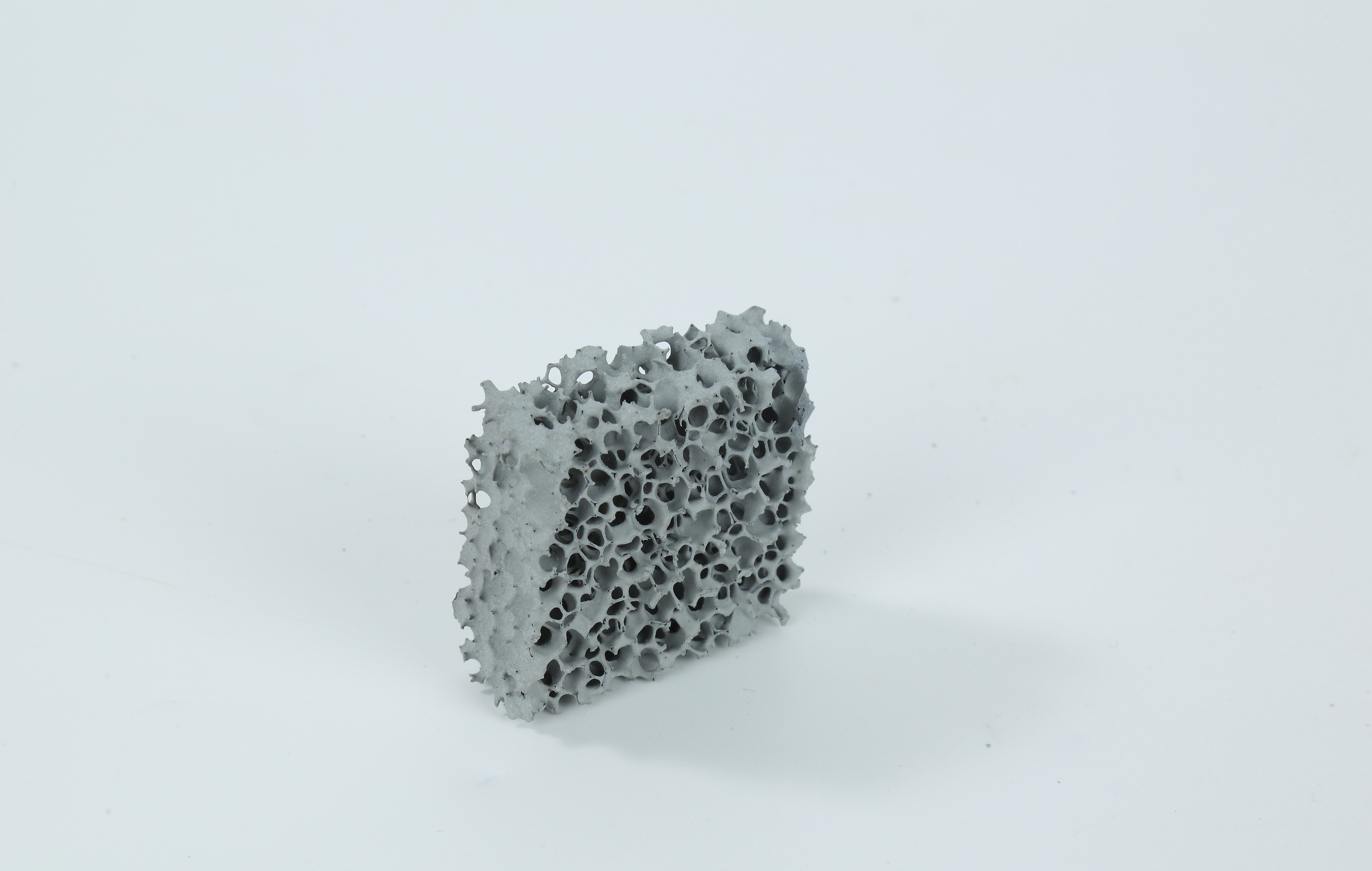
Foam ceramic filter series, its three-dimensional connected pores have the following functions for filtration of metal solutions:
Mechanical screening: remove large particles of oxide inclusions and reduce the harm of slag to castings.
Filter cake mechanism: The intercepted large particles of mixed oxides gather above the filter to form a filter cake, which increases the ability of the filter to filter small particles of mixed oxides.
Deep adsorption: Its unique three-dimensional network structure has a large surface area and can adsorb fine inclusion oxides.
Rectification mechanism: changes the flow of molten metal from a turbulent flow state to a laminar flow state, slows down the flow speed, prevents eddy currents, reduces falling sand, reduces the secondary oxidation and air absorption of the molten metal, and improves the performance of castings.
After use:
1. Effectively filter out non-metallic inclusions and sand inclusions in molten metal.
2. Improve the mechanical properties of castings and reduce machining tool wear.
3. Simplify the casting system and increase template utilization.
4. Facilitates rapid diagnosis of casting defects.
5. Improve the casting pass rate.
6. Improve the metallographic structure of casting products.
Mechanical screening: remove large particles of oxide inclusions and reduce the harm of slag to castings.
Filter cake mechanism: The intercepted large particles of mixed oxides gather above the filter to form a filter cake, which increases the ability of the filter to filter small particles of mixed oxides.
Deep adsorption: Its unique three-dimensional network structure has a large surface area and can adsorb fine inclusion oxides.
Rectification mechanism: changes the flow of molten metal from a turbulent flow state to a laminar flow state, slows down the flow speed, prevents eddy currents, reduces falling sand, reduces the secondary oxidation and air absorption of the molten metal, and improves the performance of castings.
After use:
1. Effectively filter out non-metallic inclusions and sand inclusions in molten metal.
2. Improve the mechanical properties of castings and reduce machining tool wear.
3. Simplify the casting system and increase template utilization.
4. Facilitates rapid diagnosis of casting defects.
5. Improve the casting pass rate.
6. Improve the metallographic structure of casting products.