
Essential details
Shipping:Express Delivery
Product Introduction
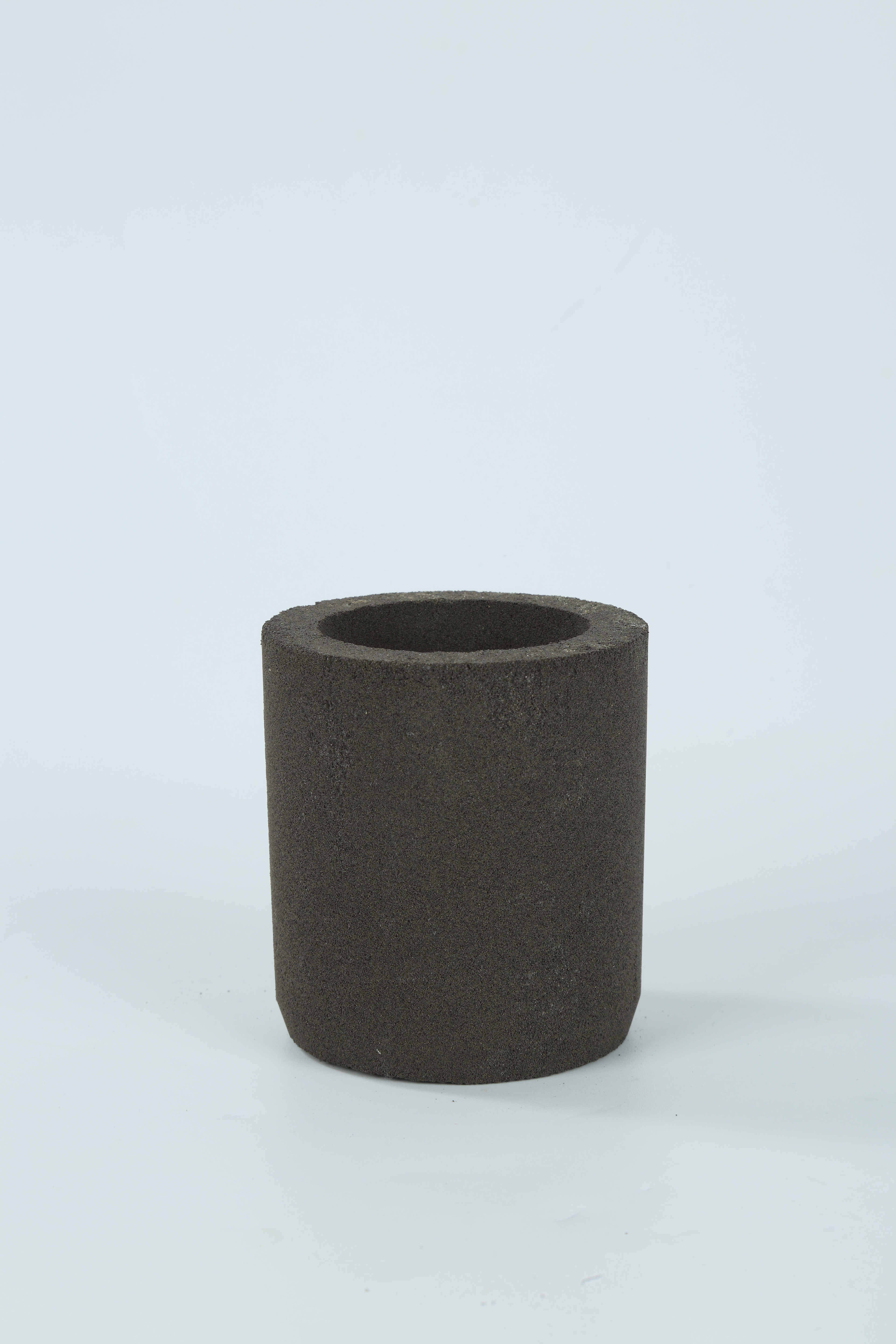
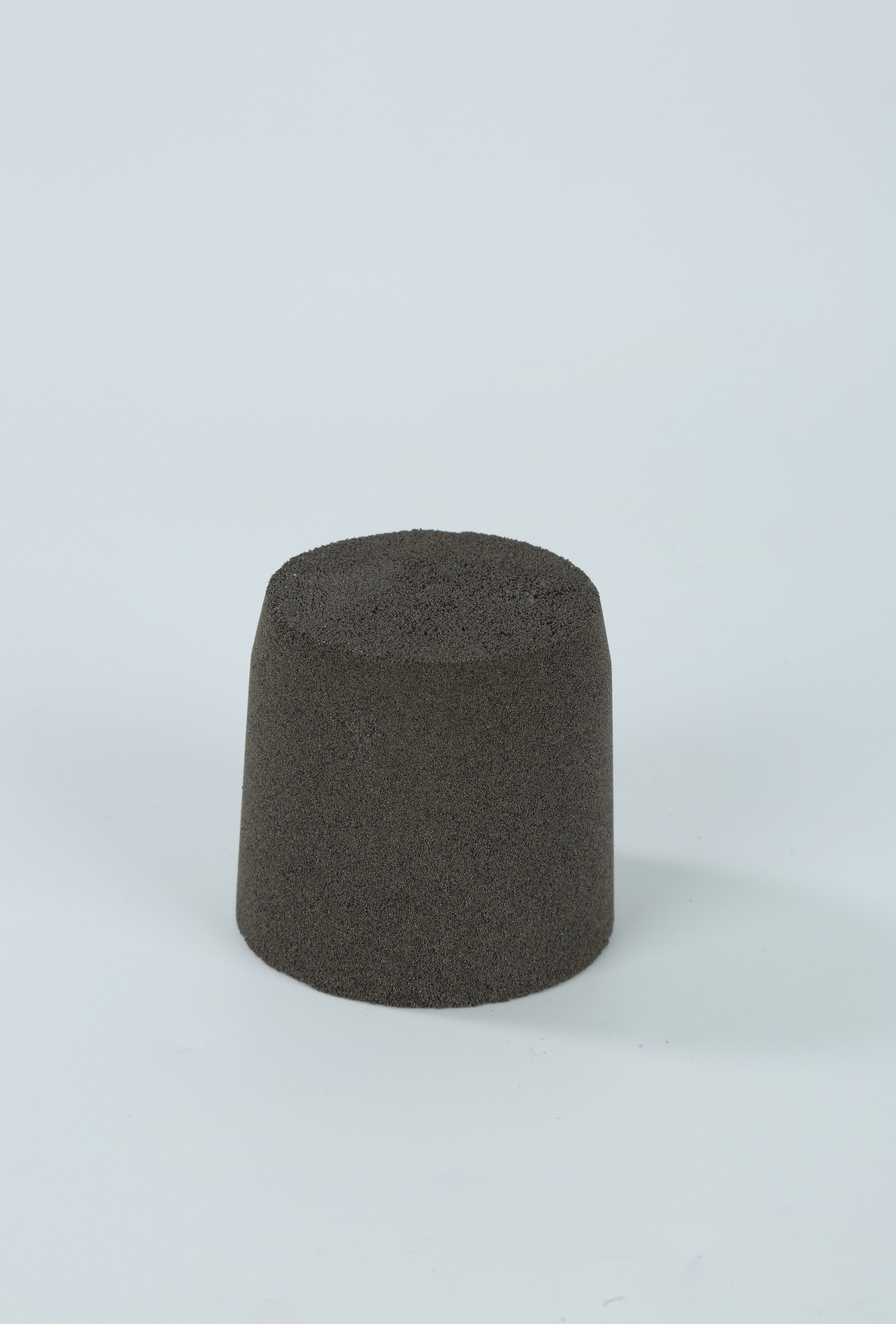
The heating riser sleeve is a functional material that delays the solidification of the riser molten metal through its own combustion heat release in casting production. Its core function is to enhance the riser feeding ability, which is especially suitable for scenarios that require high feeding efficiency.
1. Product features
Actively release heat to extend solidification time
The heating riser sleeve contains heating agents such as aluminum powder and iron oxide. When it comes into contact with high-temperature molten metal, a violent oxidation-reduction reaction (similar to the thermite reaction) will occur, releasing a large amount of heat, which will extend the time the temperature of the molten metal in the riser can be maintained above the liquidus line (usually more than 50% longer than ordinary thermal insulation riser sleeves), provide more lasting feeding power for castings, and significantly reduce shrinkage cavities and shrinkage defects.
Composite function, taking into account both heat preservation and heat release
In addition to the heat-generating agent, the base material usually contains insulation aggregates (such as perlite, floating beads) and binders, which not only maintain high temperatures through heat generation, but also reduce heat loss through the insulation layer with low thermal conductivity, forming the dual effect of "active heat release + passive insulation", and the feeding efficiency is much higher than that of a simple insulation riser sleeve.
High temperature stability and structural strength
It can withstand the high temperature of molten metal (applicable to 1300-1600℃). Its structure is not easy to disintegrate during the reaction process and will not introduce impurities into the molten metal. It also has a certain impact resistance and can withstand the pressure and impact of molten metal filling to avoid premature damage.
2. Product use
The core advantage of the heating riser sleeve is to enhance feeding through active heat release, so it is widely used in scenarios that require high density of castings and large solidification shrinkage:
Black metal thick casting
Steel castings: such as large gears, rolling mill arches, pressure vessels, etc. Cast steel has a high solidification shrinkage (about 2%-3%), and the heating riser can effectively compensate for the shrinkage of thick parts and avoid internal looseness.
Ductile iron castings: such as wind turbine hubs, large crankshafts, etc., ductile iron has obvious pasty solidification characteristics, and the heating riser can extend the feeding time and ensure the density of the core.
High alloy material casting
Stainless steel, heat-resistant steel, high manganese steel and other alloy castings. These materials have high melting points and poor thermal conductivity. It is difficult for ordinary thermal insulation risers to meet the feeding needs. The heating risers can ensure the feeding effect through continuous heat release.
Complex structural castings
For complex castings (such as machine tool beds and engine blocks) with multiple hot sections (such as sudden changes in wall thickness and cross ribs), heating riser sleeves of different specifications can be arranged for different hot sections to achieve precise feeding and reduce local defects.
Large non-ferrous metal parts
For large aluminum alloy and copper alloy castings (such as marine propellers and large motor end covers), non-ferrous metals conduct heat quickly, and ordinary thermal insulation risers solidify quickly. The heating risers can delay solidification through heat release and improve feeding efficiency.
High-end field with zero tolerance for defects
Key castings in aerospace, military industry, nuclear power and other fields have extremely high internal quality requirements due to harsh service environments (high pressure, high temperature, corrosion). Heating riser sleeves are an important means to ensure that castings have no shrinkage cavities or shrinkage porosity.