
Essential details
MOQ:100
Shipping:Express Delivery
Specification Number:custom design
Product Introduction
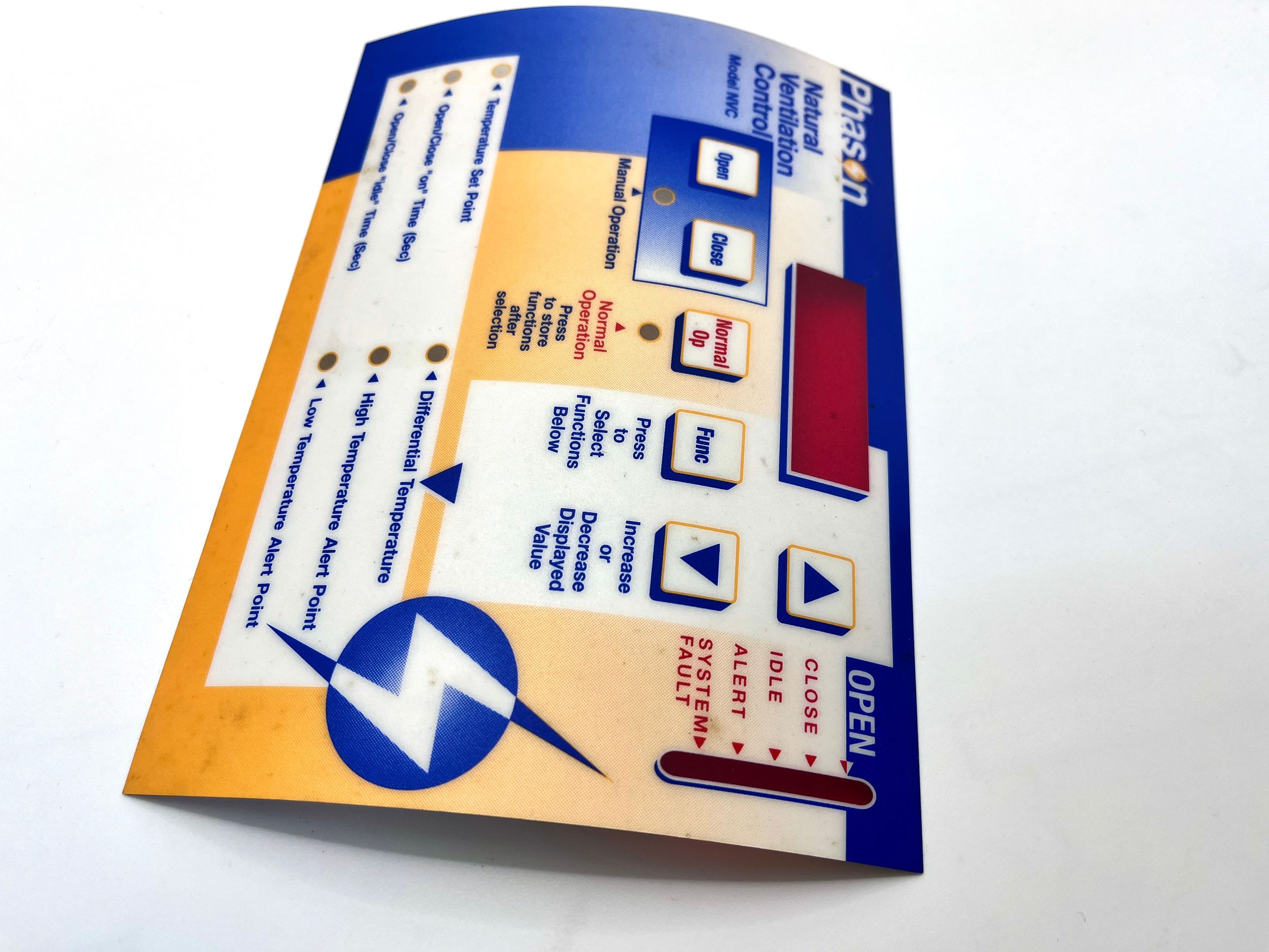
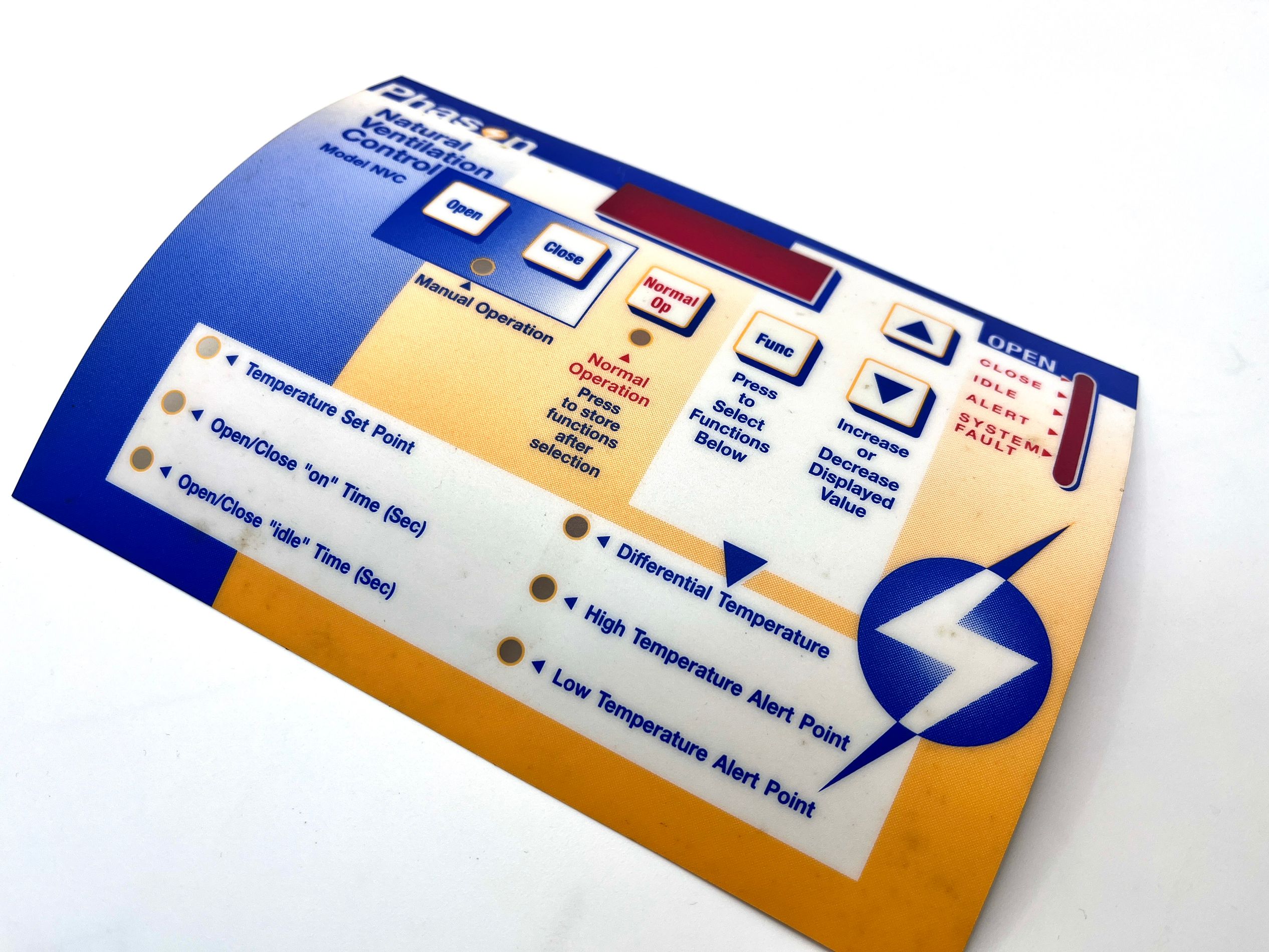
Customized OEM Design Digital Printing Membrane Switches Factory In DongGuan
Here’s a general outline to guide you through the process:
1. Define Your Requirements
- Functionality: Determine what functions the membrane switch will serve (e.g., buttons, LED indicators).
- Size and Shape: Specify the dimensions and shape of the switch.
- Material: Choose materials that suit your application (e.g., polyester, polycarbonate).
2. Design the Layout
- Button Design: Create a layout for the buttons, considering usability and ergonomics.
- Graphics: Include any icons, text, or branding elements.
- Colors: Select colors that align with your brand and ensure good visibility.
3. Choose a Printing Method
- Digital Printing: Ideal for complex graphics and small runs.
- Screen Printing: Better for larger quantities and simpler designs.
4. Create Prototypes
- Use design software (like Adobe Illustrator) to create a detailed design.
- Consider 3D modeling to visualize the final product.
- Produce a prototype to test functionality and ergonomics.
5. Testing
- Durability: Ensure the switch can withstand intended use (e.g., moisture, dust).
- Functionality: Test the responsiveness of the switches and the quality of the printed graphics.
6. Final Production
- Once the prototype is approved, finalize the design for mass production.
- Work with a manufacturer that specializes in membrane switches to ensure quality and consistency.
7. Quality Control
- Implement a quality control process to check each batch for defects.
Additional Considerations
- Backlighting: If needed, incorporate LED backlighting for visibility in low-light conditions.
- Adhesives: Choose appropriate adhesives for mounting the membrane switch.
Conclusion
A well-designed membrane switch can enhance user experience and functionality. Collaborate closely with designers and manufacturers throughout the process to ensure a successful outcome.
Specification:
| Overlay material ---For front or face overlay | ||||||||
| Polyester | Polycarbonate | |||||||
1 Highly versatile for embossing 2 Highly resistant for chemicals 3 Better durability 4 For internal and external use | 1 wide range of the surface finishes and thicknesses 2 More cost-effective 3 For internal and external use 4 many Lexan label choose | |||||||
| Embossing --- Graphic overlay or up circuit can be embossed in order to insert metal stainless steel domes for good tactile when press .Leave space for mechanical keys and provide tactile indications | ||||||||
| Pedestal embossing | Rim embossing | Pillow embossing | Dim embossing | |||||
| Windows or LCD --- For display functions | ||||||||
| Printed colors windows such like red ,black and so on | Transparent finishes windows or cut out | |||||||
| Keys | ||||||||
| Tactile Keys :witch metal domes or Poly domes ,Metal dome with different diameter and pressure kinds | Non-tactile keys: printed silver spot on the circuit | |||||||
| LEDs ---Miniature LEDs ,LED colors :white ,Green ,Red ,Blue ,Yellow ,Orange and others | ||||||||
| EL and Sensors or inductors --- EL can be light any place where where you like ,and sensors can be used as LEDs | ||||||||
| Cables --- is extension of circuit and communication with your device | ||||||||
| Screen printing conductive silver cable | Copper plated cable /Polyimide or FPC | PCB board | ||||||
| Types of connector --- 1 Zero insertion force(ZIF) with 0.3MM ,0.5MM ,1.0MM,1.25MM pitch ;2 Female connector with 2.54MM pitch; 3 Male connector | ||||||||
| Shielding --- For protection function | ||||||||
| Gasket seal/Waterproof :protect the conductors against from the humidity and splashes | EMI/RFI/ESD Shielding: use an Aluminum foil shielding /clear ITO electrical conductive polyester to protect | |||||||
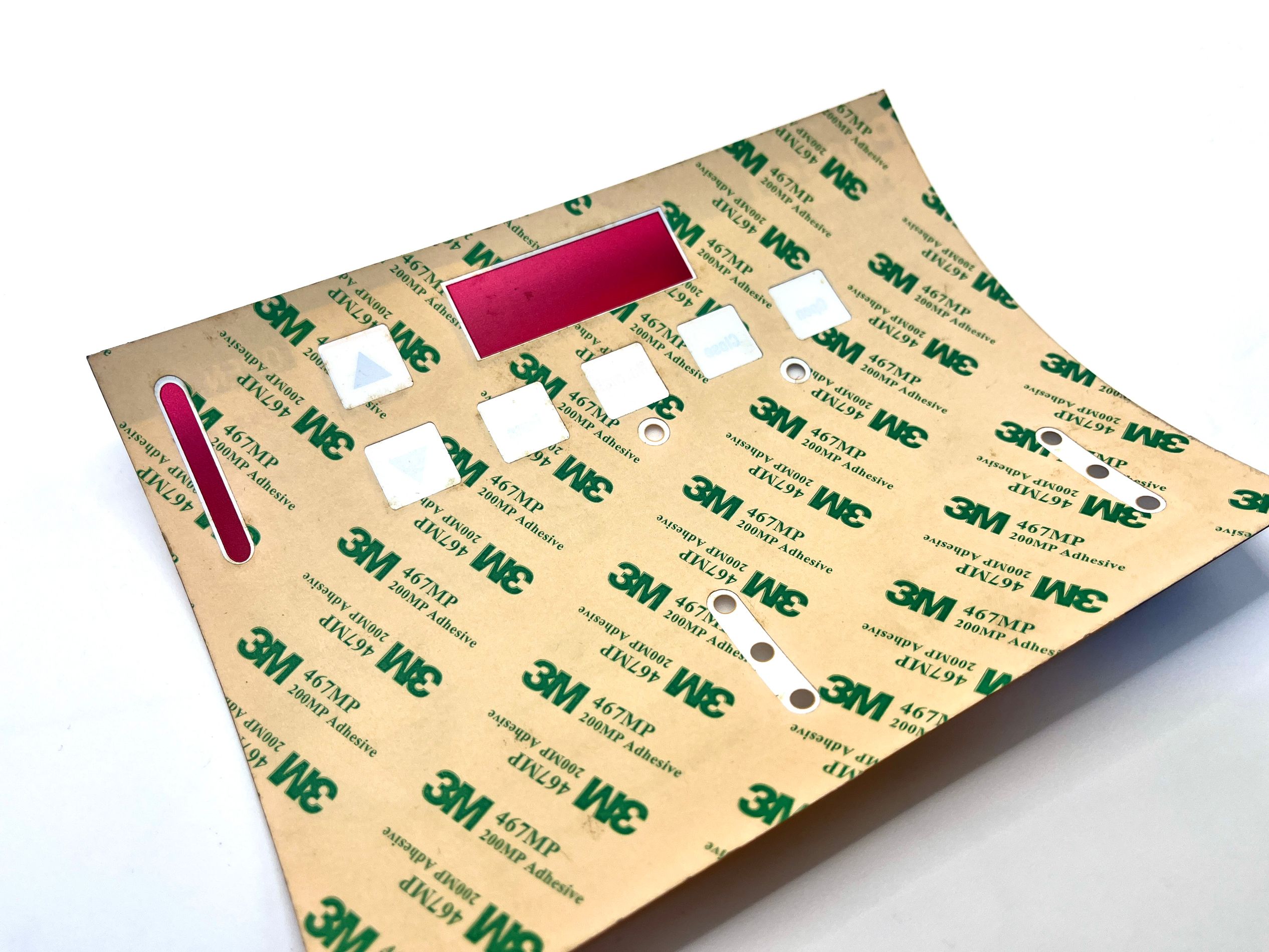
| Rear Adhesive --- Mostly use the 3M double-side mounting glue brand of USA. Also accepted others such like T4000 or others | ||||||||
| Back plate --- Use in Aluminum ,Polycarbonate ,Acrylic Or PMMA | ||||||||
| Matching color --- PMS or RAL Is best ,CMYK or RGB | ||||||||
| Standard Tolerances :+/-0.2MM | ||||||||

