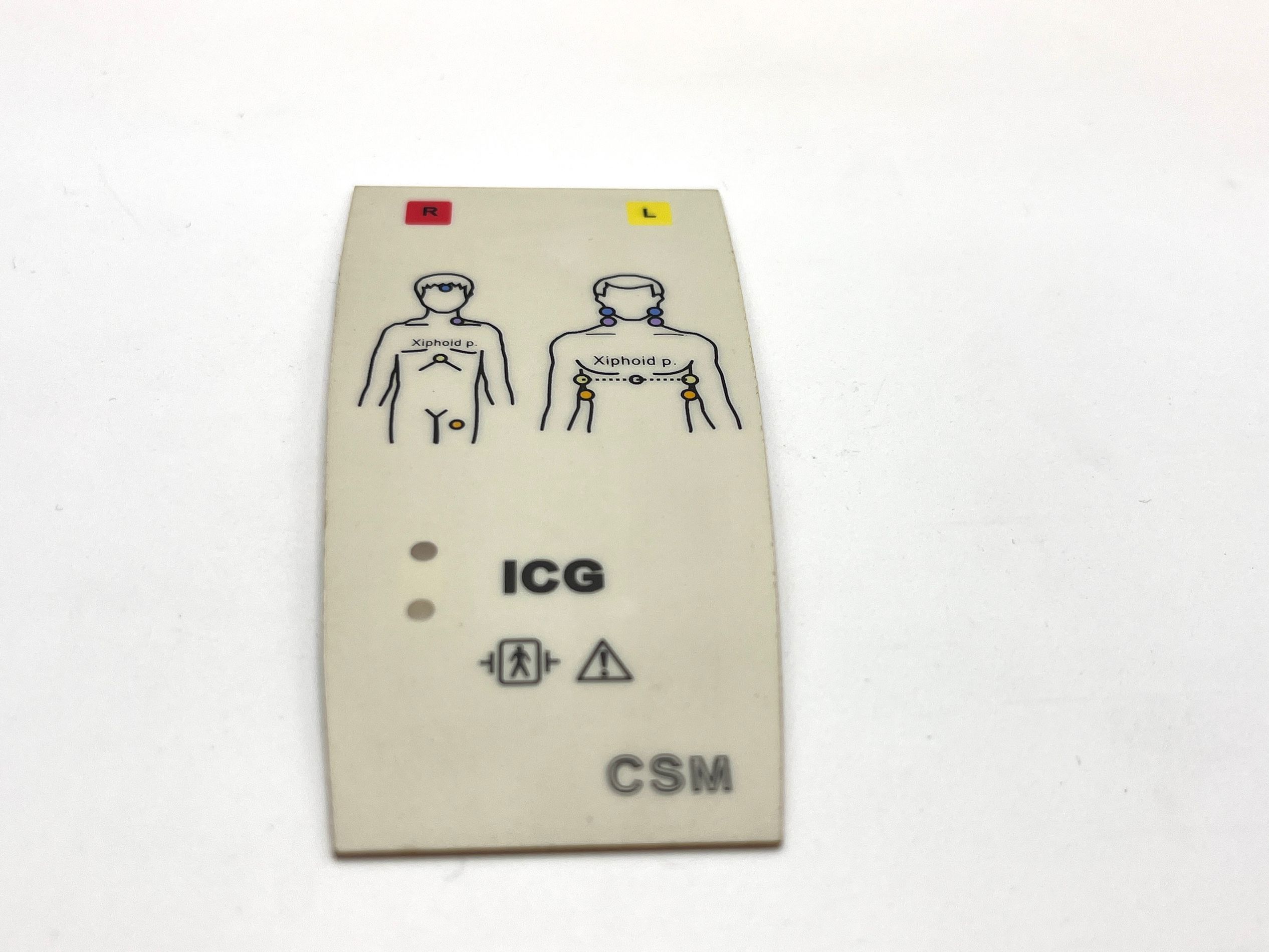
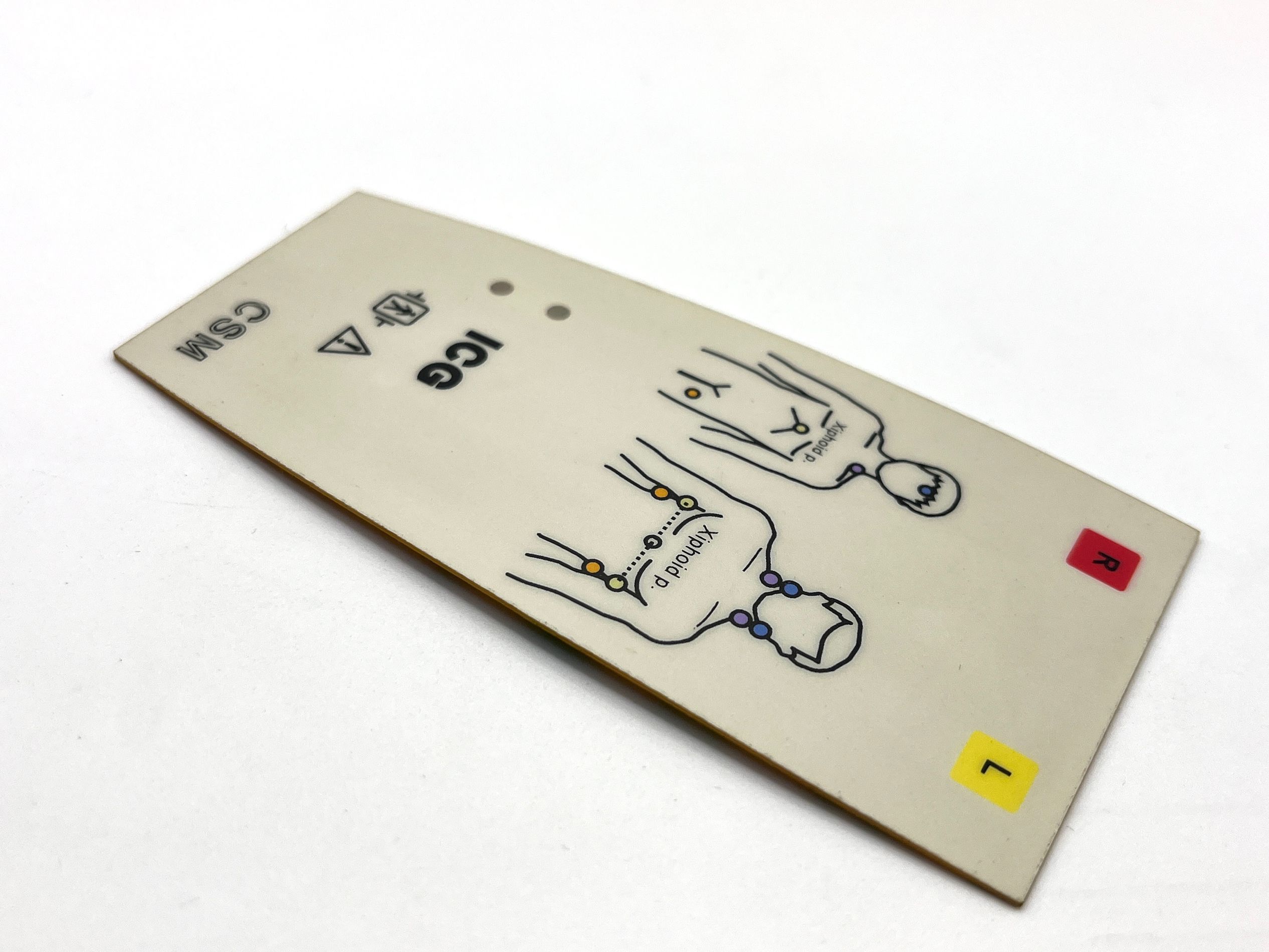
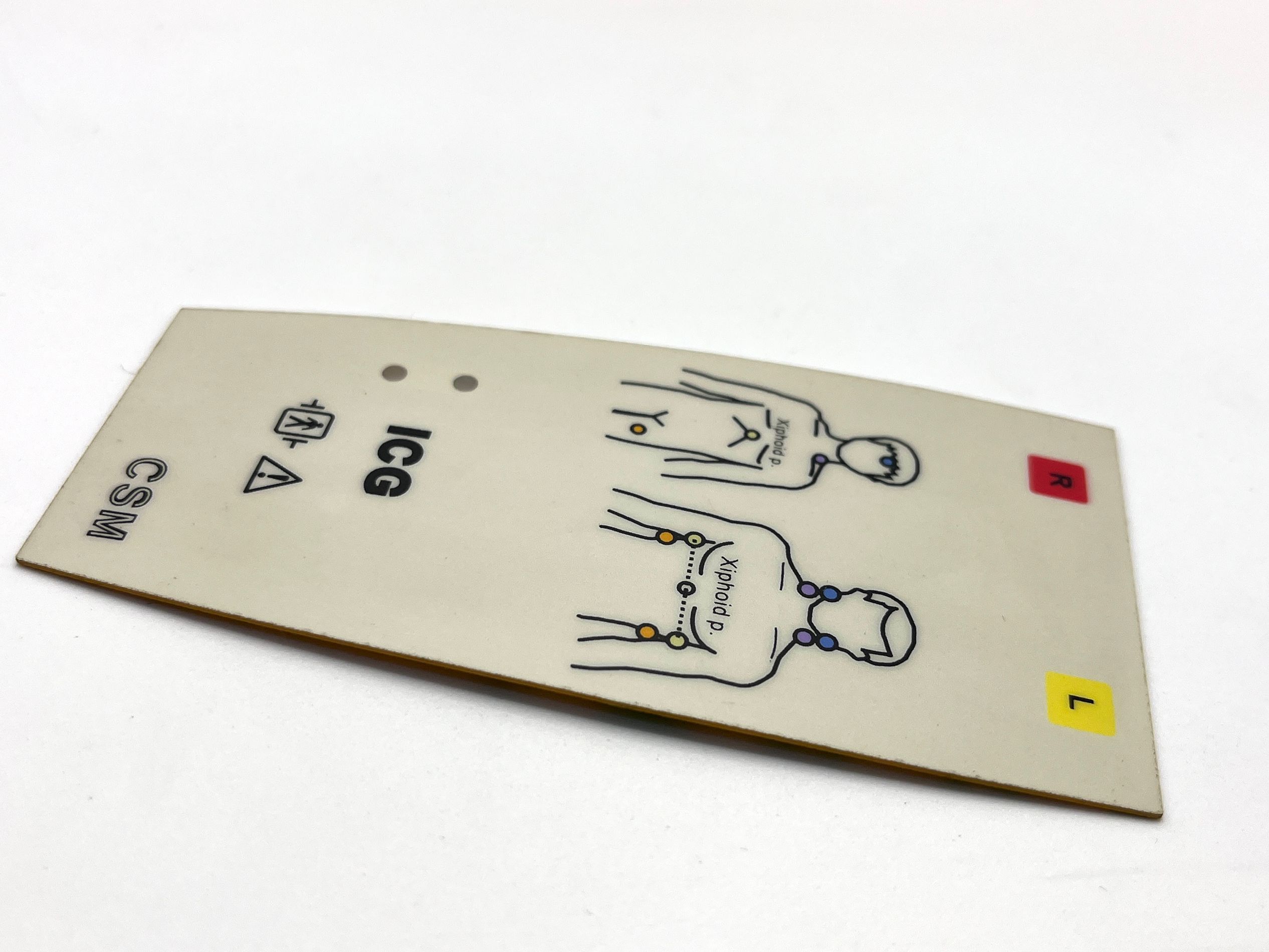
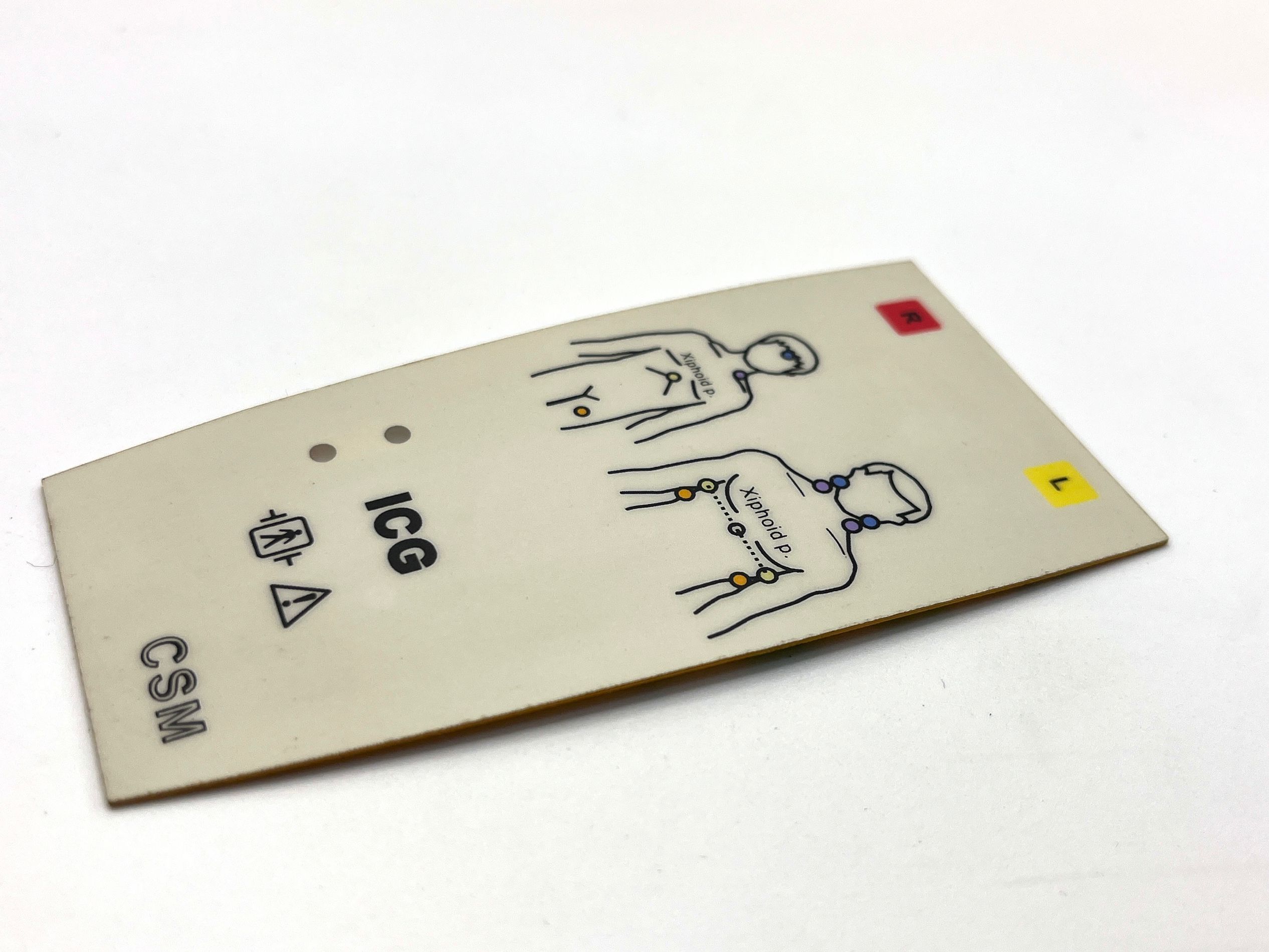
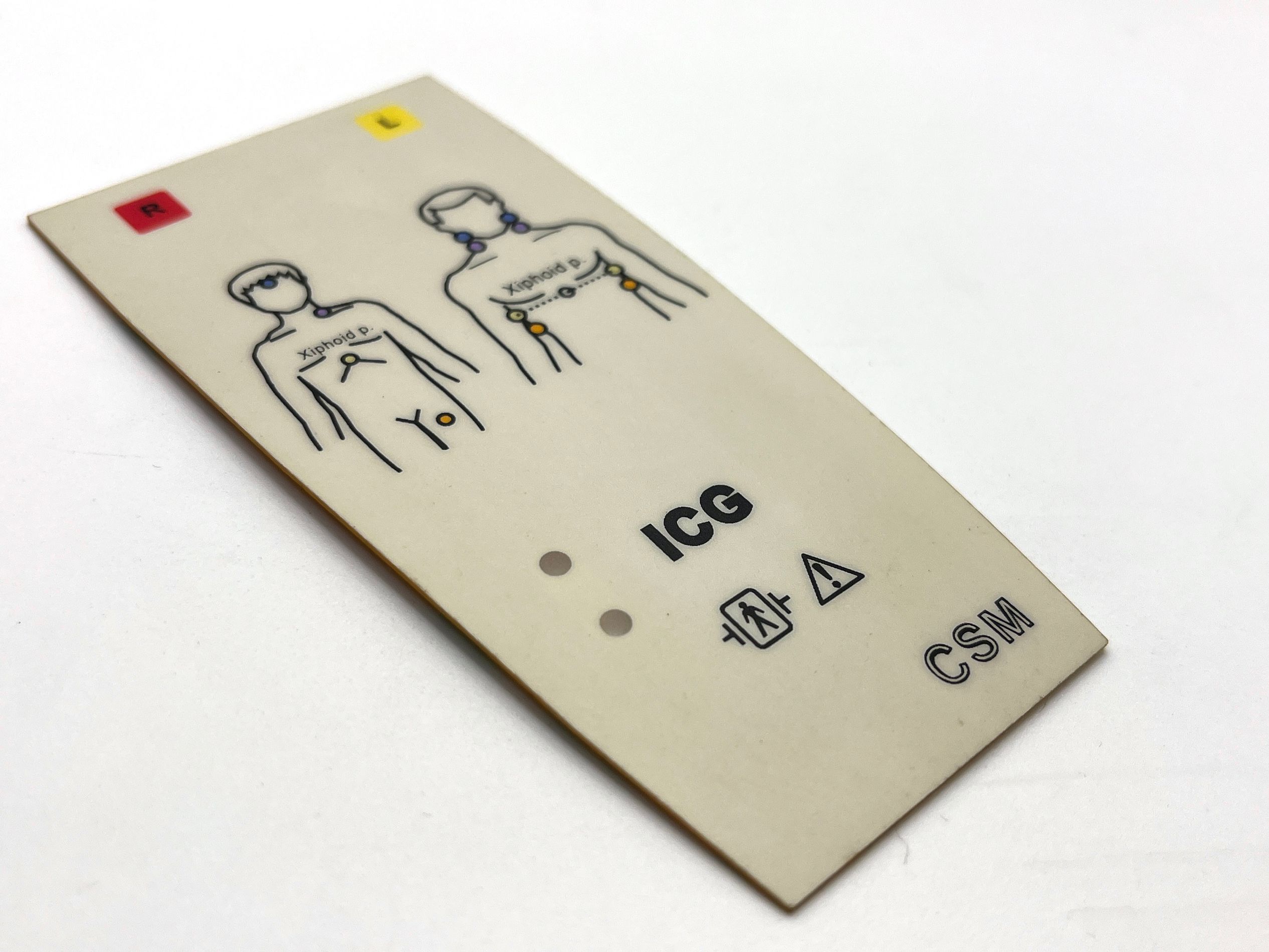
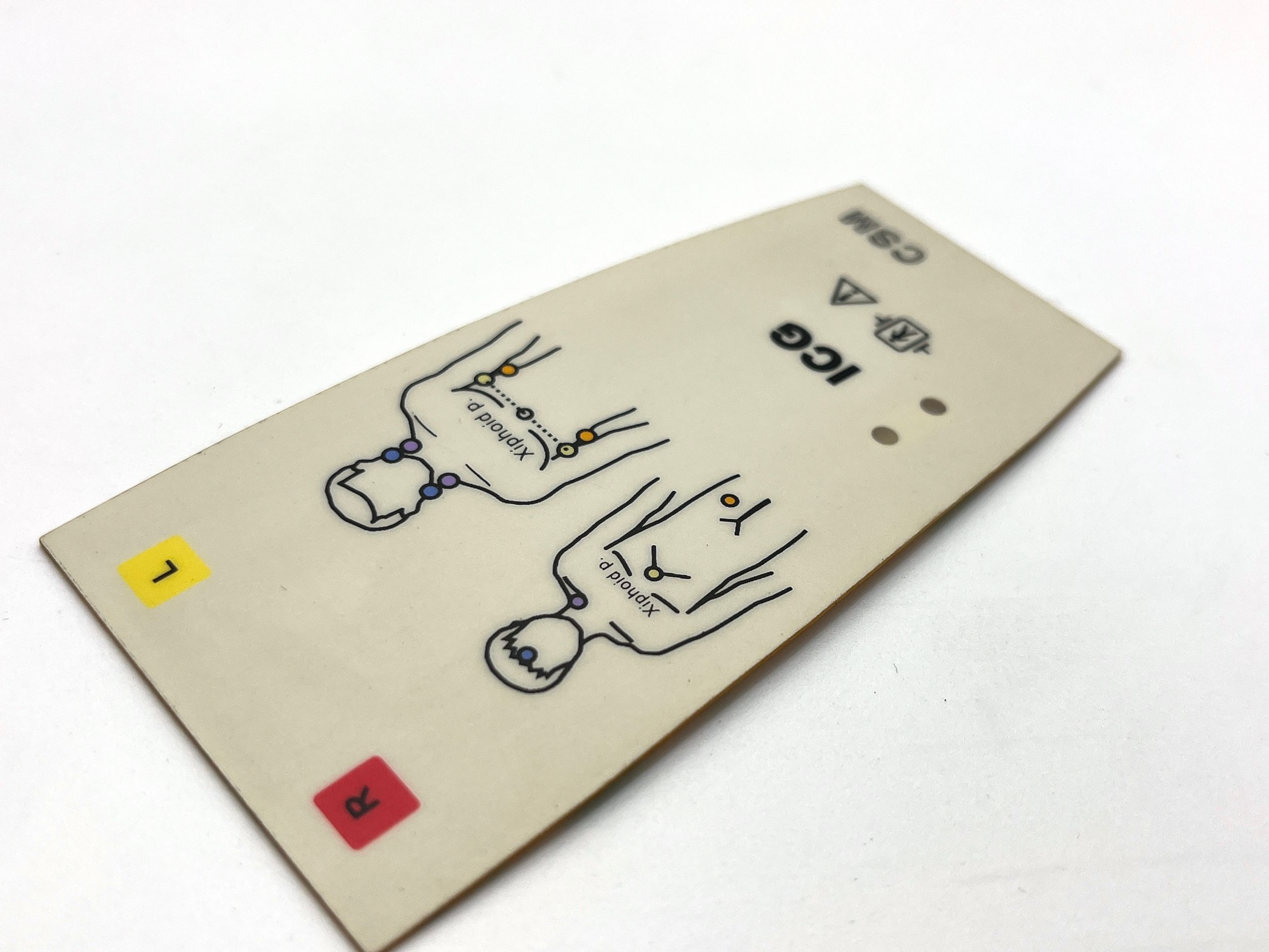


Customized Single Button Membrane Switch Keyboard With Tactile Feedback
How Membrane Switch Keyboards Work
Construction: Membrane keyboards consist of three main layers:
- Top Layer: This is the user interface, typically made from plastic or rubber, where the keys are printed.
- Spacer Layer: This layer contains holes that prevent electrical contact between the top and bottom layers until a key is pressed.
- Bottom Layer: This layer has conductive traces that connect to the keyboard's circuitry.
Functionality: When a key is pressed, the top layer makes contact with the bottom layer, closing an electrical circuit and sending a signal to the device. When the key is released, the circuit opens again, allowing for quick and seamless operation.
Advantages of Membrane Switch Keyboards
- Durability: They are more resistant to dirt and liquids compared to traditional mechanical keyboards, making them suitable for various environments.
- Design Flexibility: Membrane keyboards can be custom-designed for specific applications, enhancing user engagement and functionality.
- Cost-Effectiveness: They are generally cheaper to produce than mechanical keyboards, which makes them a popular choice for many consumer electronics and appliances.
Applications
Membrane switch keyboards are widely used in:
- Consumer Electronics: Such as microwaves, washing machines, and remote controls.
- Industrial Equipment: Including control panels and medical devices.
- Point-of-Sale Systems: Used in retail environments for transactions.
- Computers: They can serve as input devices for typing and gaming, although they typically provide less tactile feedback than mechanical keyboards .
Feedback Mechanisms
Due to their design, membrane keyboards often lack tactile feedback. To compensate for this, many devices incorporate additional feedback mechanisms, such as audible beeps or visual indicators, to confirm that a keypress has been registered.
Descriptions :
| Overlay material ---For front or face overlay | ||||||||
| Polyester | Polycarbonate | |||||||
1 Highly versatile for embossing | 1 wide range of the surface finishes and thicknesses | |||||||
| Embossing --- Graphic overlay or up circuit can be embossed in order to insert metal stainless steel domes for good tactile when press .Leave space for mechanical keys and provide tactile indications | ||||||||
| Pedestal embossing | Rim embossing | Pillow embossing | Dim embossing | |||||
| Windows or LCD --- For display functions | ||||||||
| Printed colors windows such like red ,black and so on | Transparent finishes windows | |||||||
| Keys | ||||||||
| Tactile Keys :witch metal domes or Poly domes ,Metal dome with different diameter and pressure kinds | Non-tactile keys: printed silver spot on the circuit | |||||||
| LEDs ---Miniature LEDs ,LED colors :white ,Green ,Red ,Blue ,Yellow ,Orange and others | ||||||||
| EL and Sensors or inductors --- EL can be light any place where where you like ,and sensors can be used as LEDs | ||||||||
| Cables --- is extension of circuit and communication with your device | ||||||||
| Screen printing conductive silver cable | Copper plated cable /Polyimide or FPC | PCB cable | ||||||
| Types of connector --- 1 Zero insertion force(ZIF) with 0.5MM ,1.0MM,1.25MM pitch ;2 Female connector with 2.54MM pitch; 3 Male connector | ||||||||
| Shielding --- For protection function | ||||||||
| Gasket seal/Waterproof :protect the conductors against from the humidity and splashes | EMI/RFI/ESD Shielding: use an Aluminum foil shielding /clear ITO electrical conductive polyester to protect | |||||||
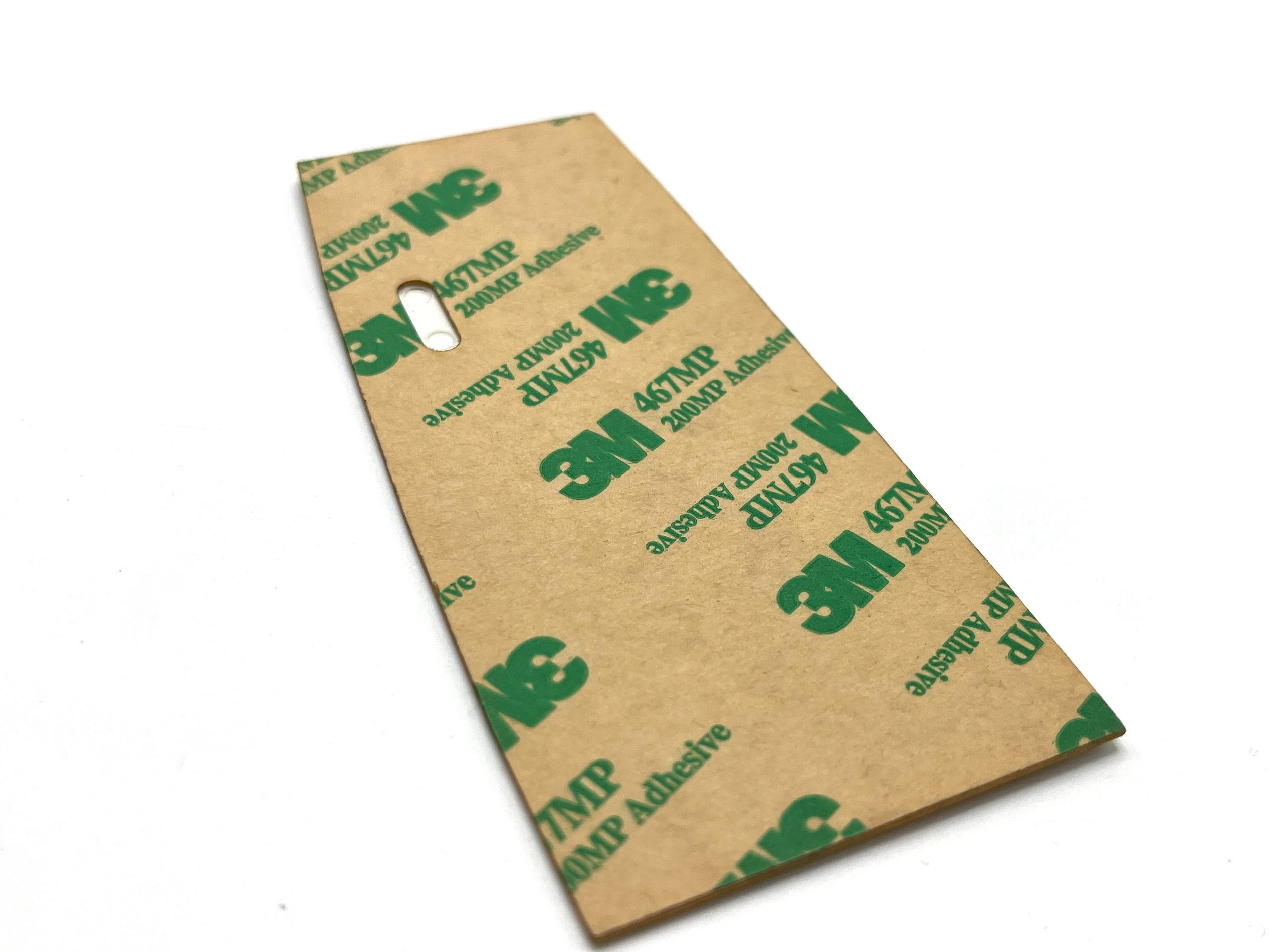
| Rear Adhesive --- Mostly use the 3M double-side mounting glue brand of USA. Also accepted others such like Lohmann and others | ||||||||
| Back plate --- Use in Aluminum ,Polycarbonate ,Acrylic Or PMMA | ||||||||
| Matching color --- PMS or RAL Is best ,CMYK or RGB also can be ok if you can supply PMS Or RAL | ||||||||
| Standard Tolerances :+/-0.2MM | ||||||||

