

Common materil used in ESD membrane switch :
There are a number of materials you can use to shield your electronic components from ESD.
Polyester
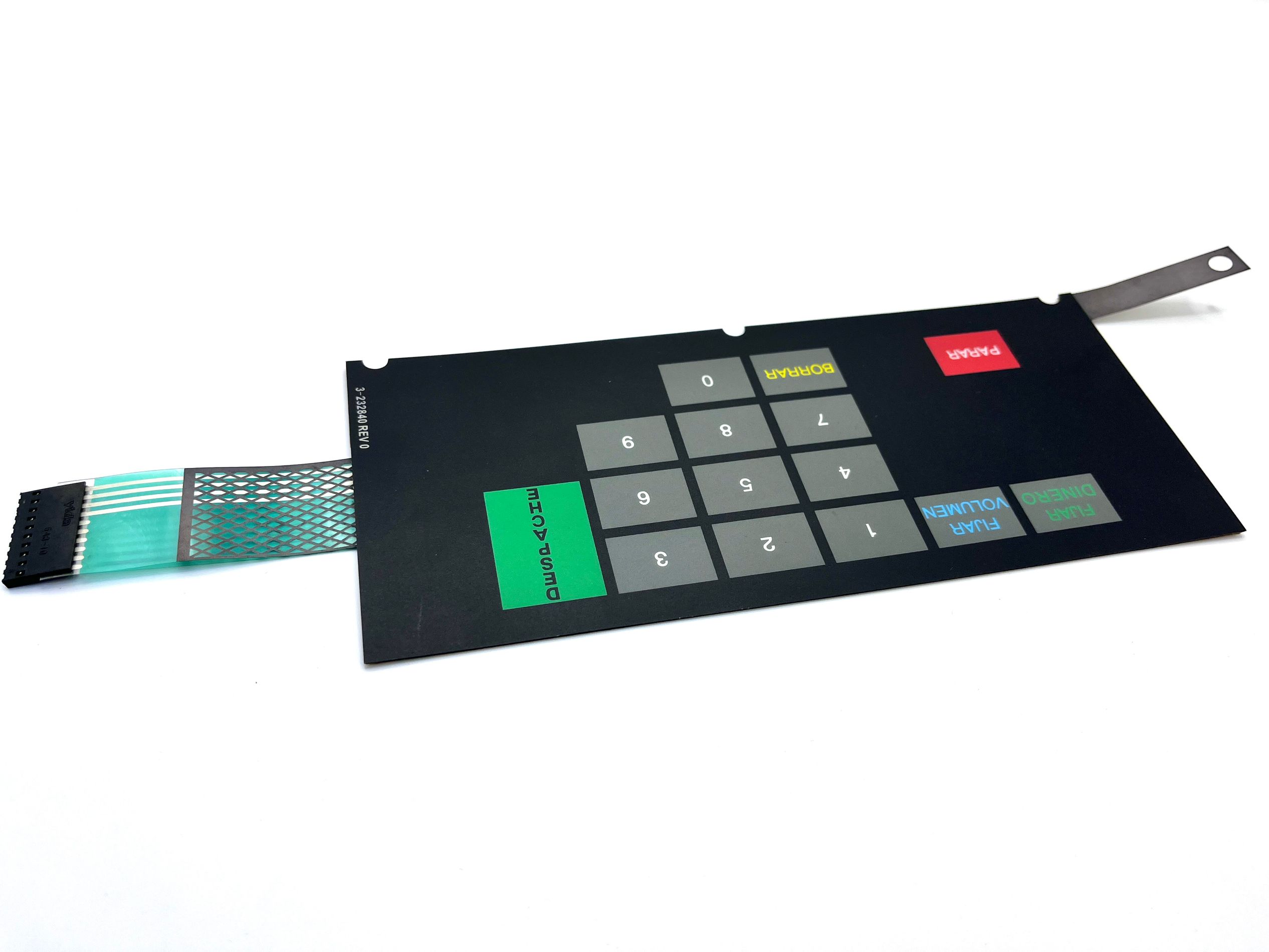
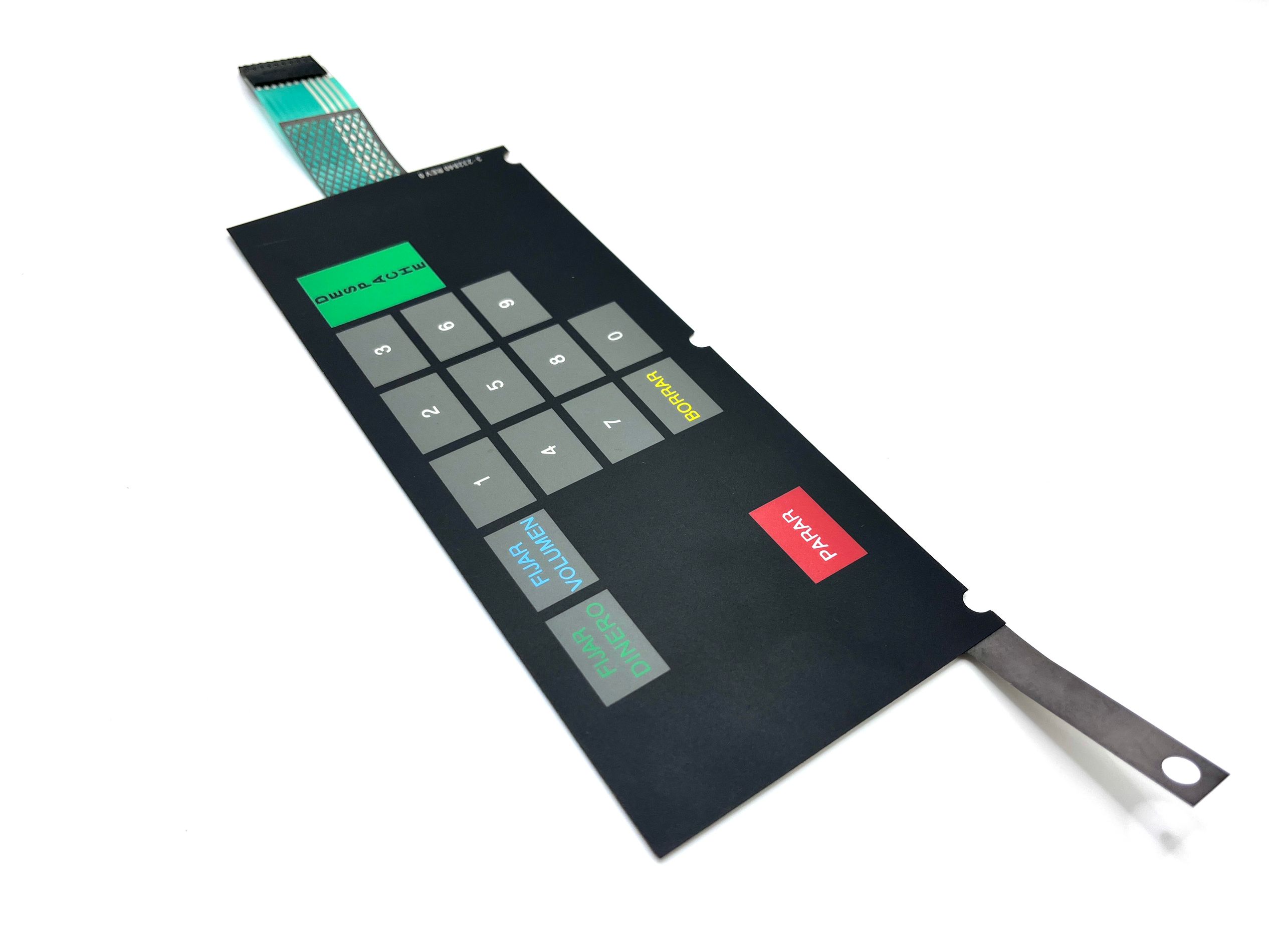
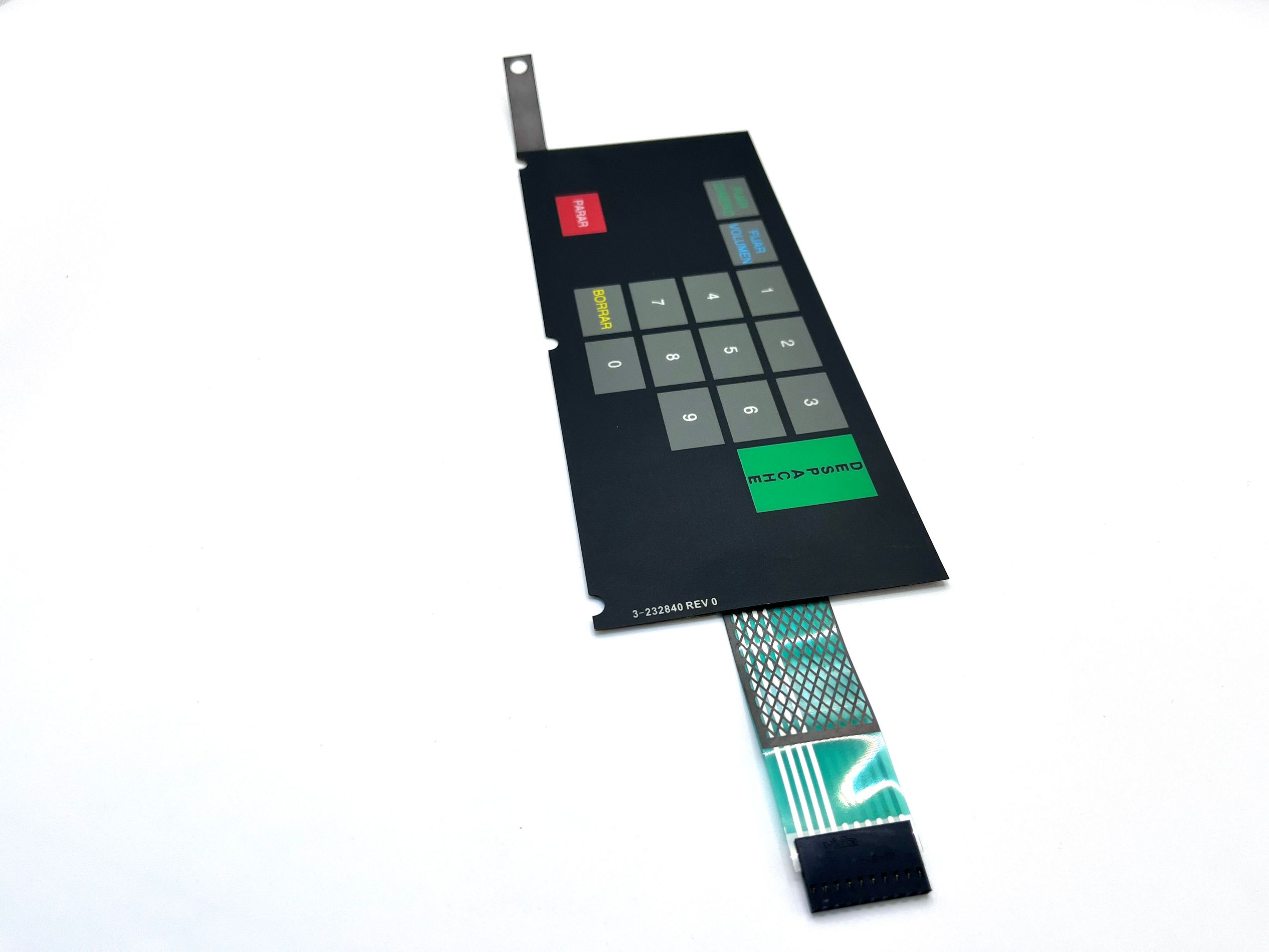
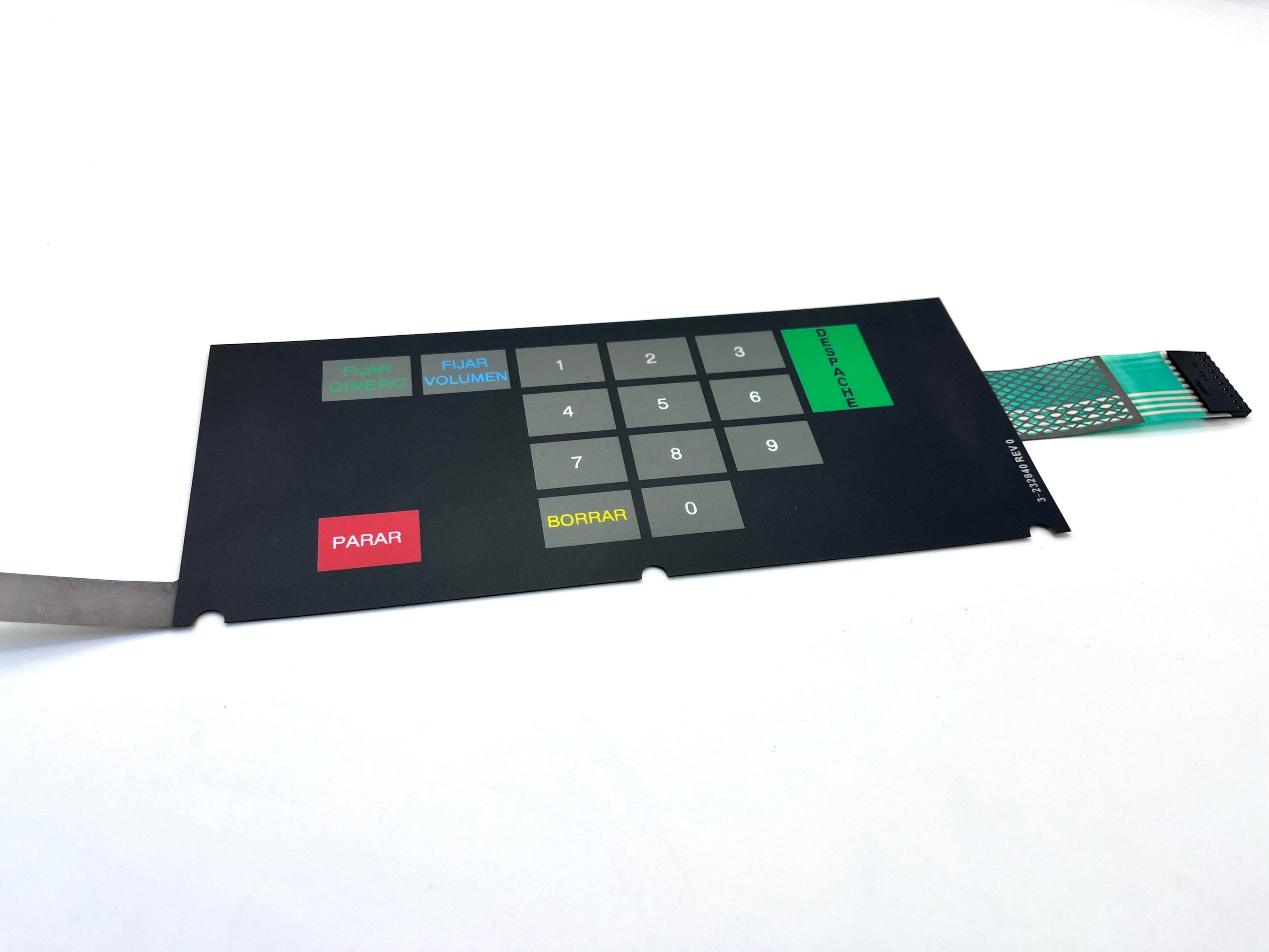
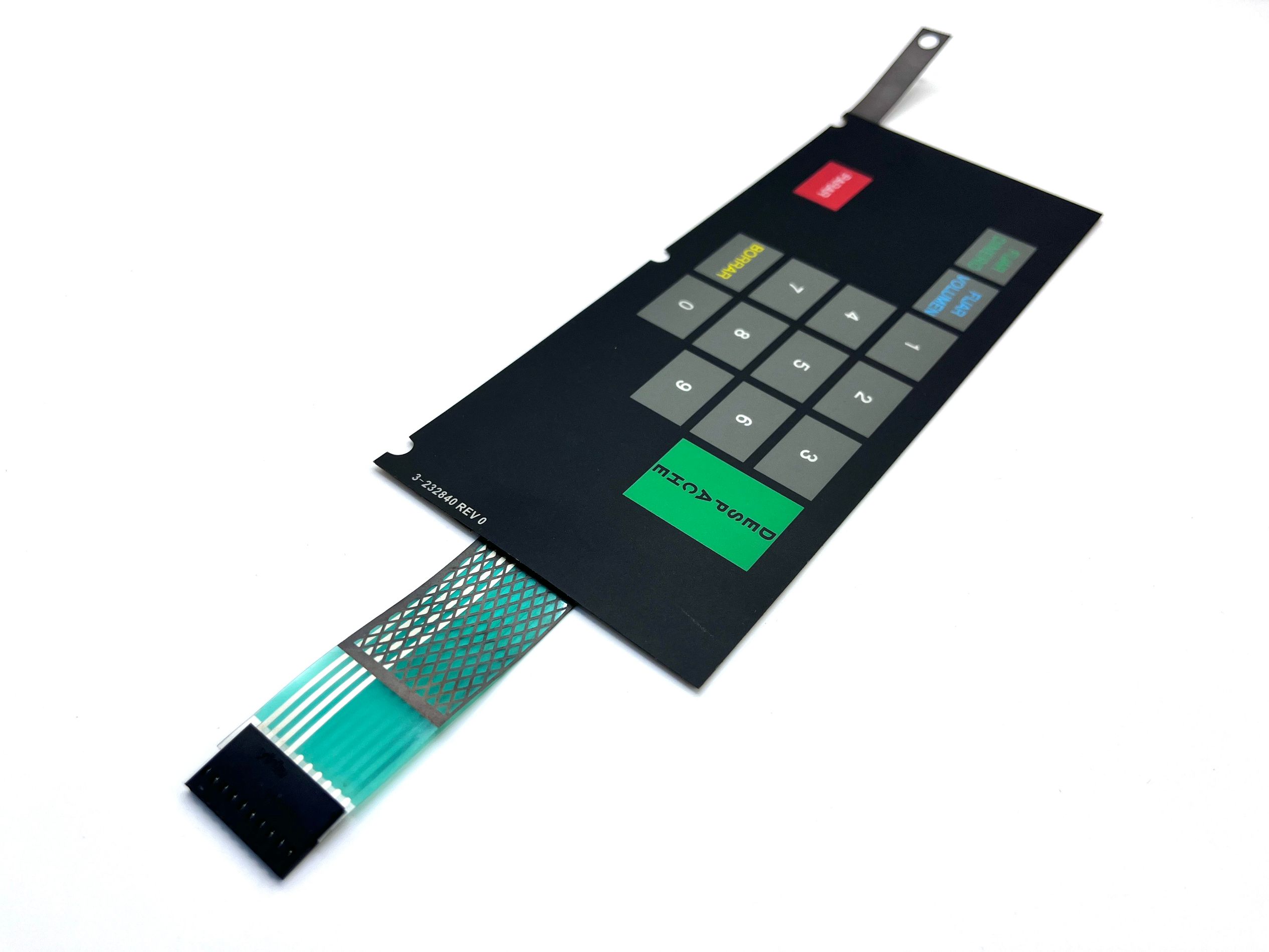
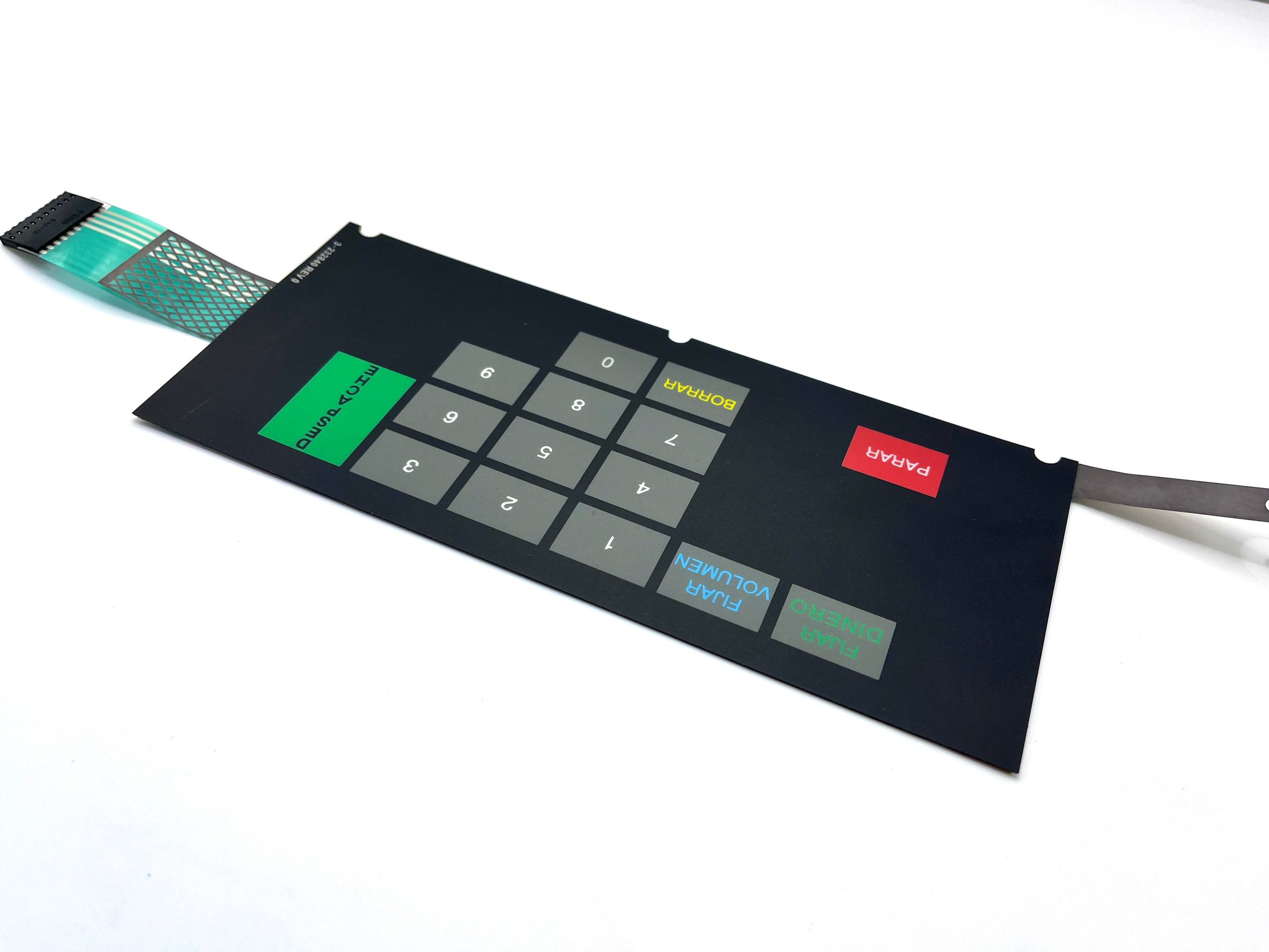
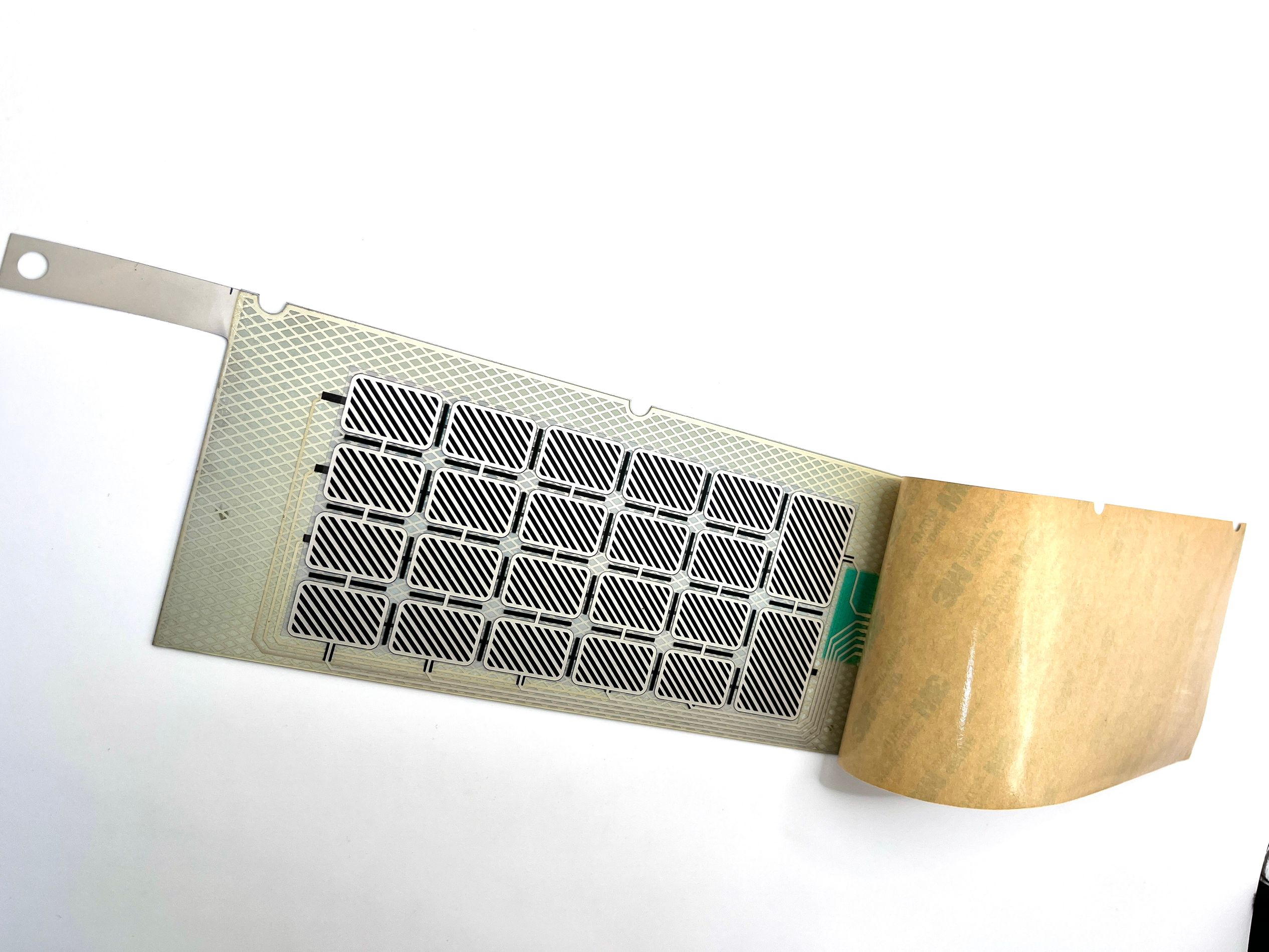
Polyester is a very common and cost-effective option. It is a very thin layer right behind the graphic overlay. Once the silver screen-printed grid pattern comes into contact with ESD, it guides the discharge to the chassis ground.
Aluminum Single Side Coated Foil
A thin aluminum layer, around 3-5 ml, can also be used to transfer the discharge away from the electrical components. The conductive side lays right side up and guides the ESD through a ground chassis point.
Conductive Copper Mesh Fabric
Conductive copper mesh fabric is a very high quality option only used in special applications due to its more expensive price tag. It is frequently used in communication and military units. A single layer of copper mesh fabric will also protect components from electromagnetic interference (EMI) and radio frequency interference (RFI).
ESD shielding is particularly important in applications where membrane switches are exposed to environmental factors that can generate static electricity, such as:
- Industrial machinery and equipment
- Medical devices
- Automotive electronics
- Consumer electronics with touch-sensitive interfaces
By incorporating an ESD shielding membrane into the design, manufacturers can ensure that their membrane switch products are more resilient and less susceptible to damage from electrostatic discharge, improving their overall reliability and performance.

