
Essential details
MOQ:100
Lead time:2 weeks
Shipping:Express Delivery
Specification Number:custom design
Product Introduction
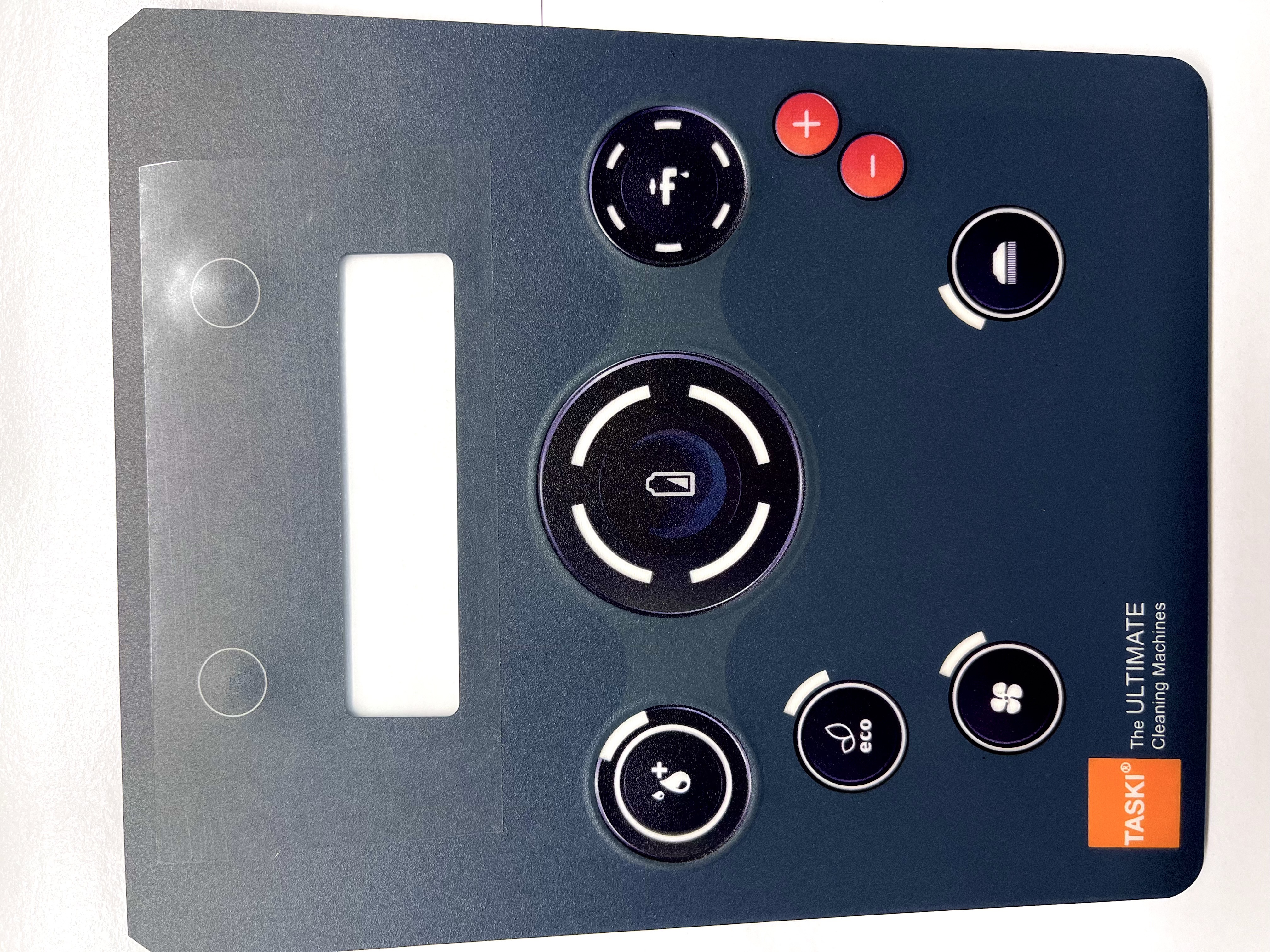
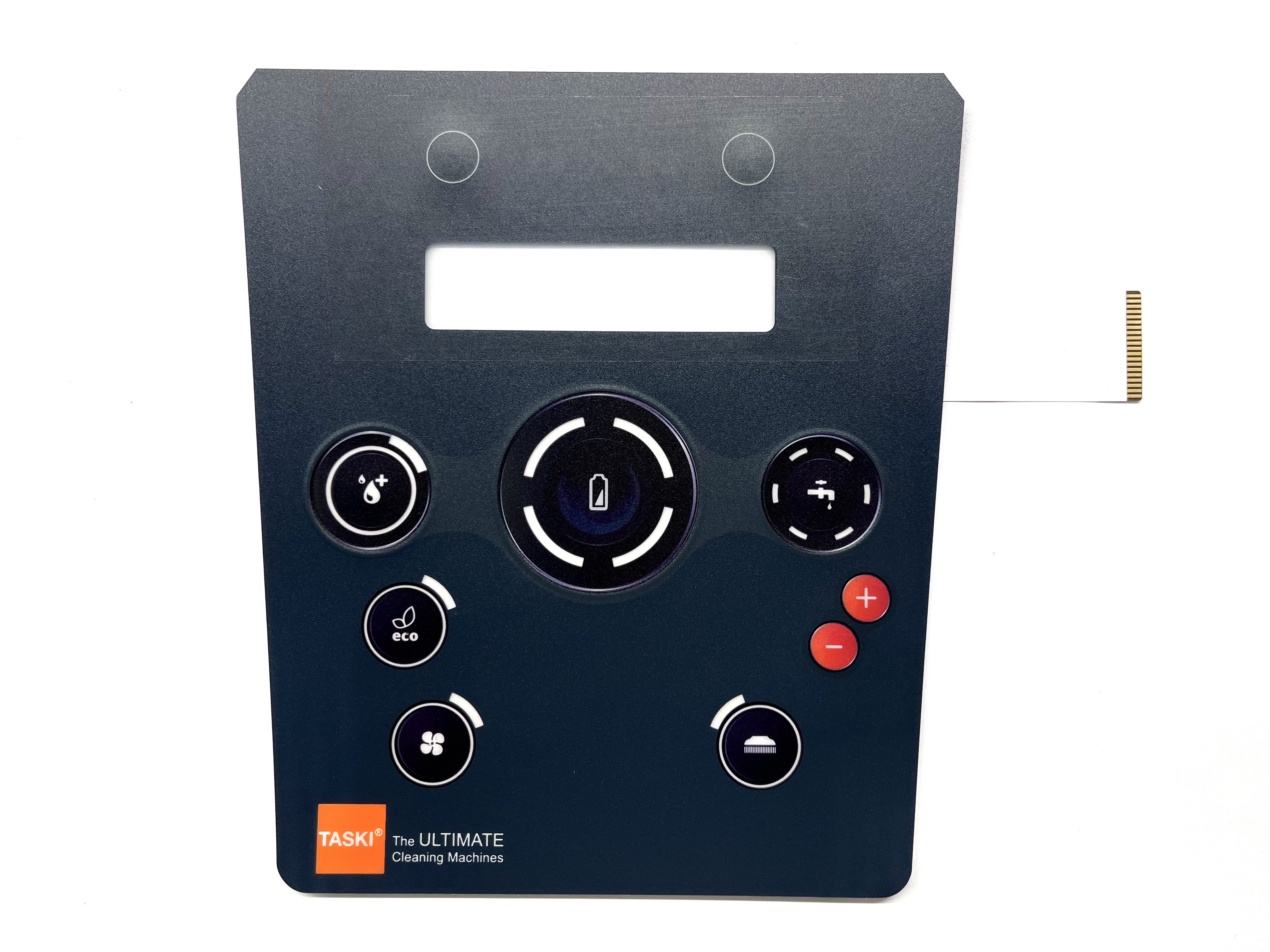
1. Graphic Overlay
Material: Usually made from polyester or polycarbonate.
Function: Displays graphics, logos, and instructions. This layer also provides protection to the underlying circuit and is often printed with durable inks.
Material: Usually made from polyester or polycarbonate.
Function: Displays graphics, logos, and instructions. This layer also provides protection to the underlying circuit and is often printed with durable inks.
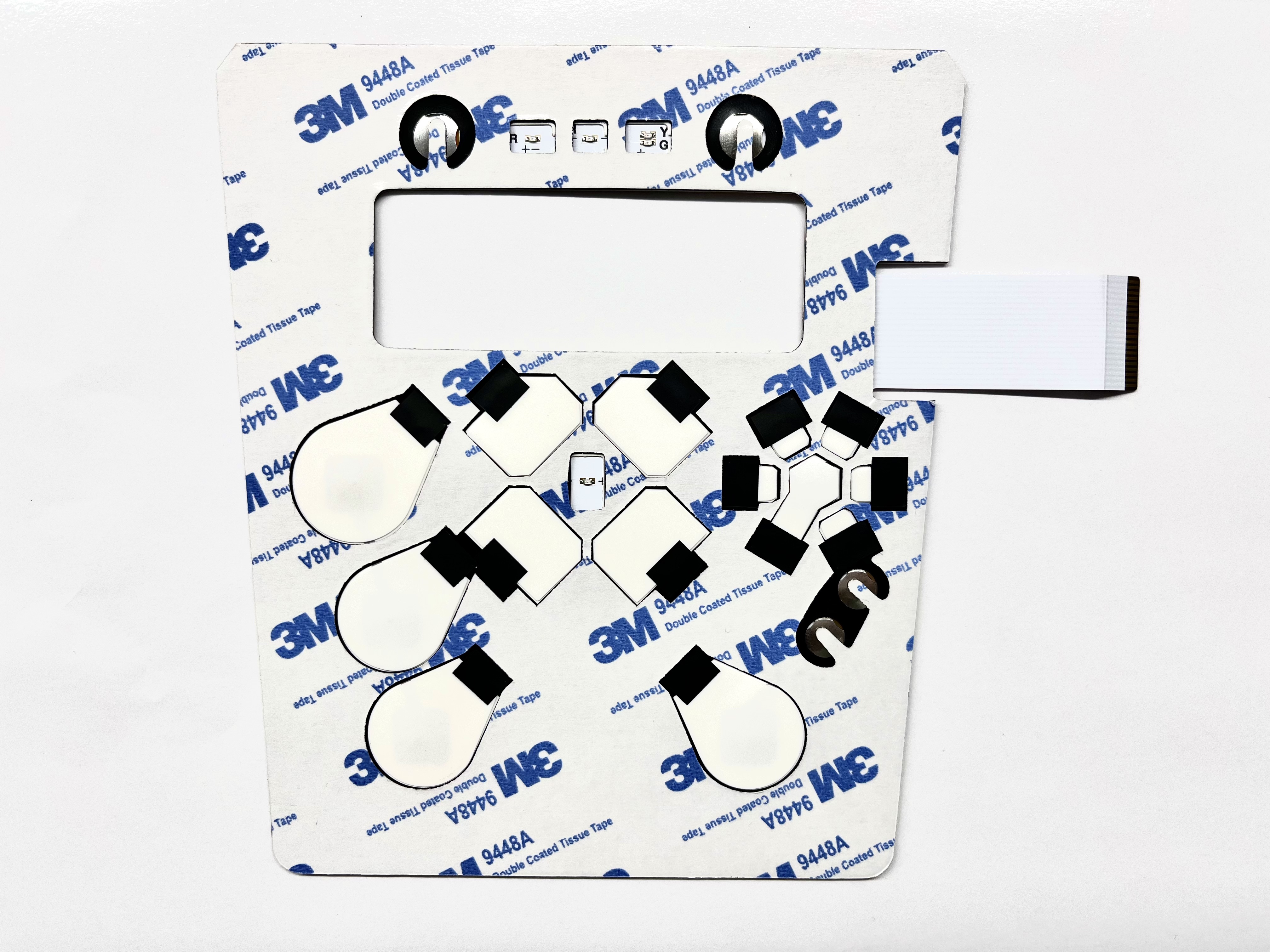
2. Spacer Layer
Material: Made from adhesive or non-conductive materials.
Function: Creates a gap between the graphic overlay and the circuit layer, allowing for the buttons to make contact when pressed without being constantly engaged.
3. Circuit Layer
Material: Typically consists of a flexible substrate like polyethylene or a film coated with conductive ink.
Function: Contains the actual circuitry with printed conductive paths that connect different points on the switch. This layer registers the electrical connections when a button is pressed.
4. Adhesive Layer
Material: Pressure-sensitive adhesive (PSA) for easy application.
Function: Bonds the membrane switch to the surface of the device, ensuring it stays in place during use.
5. Backing Layer (Optional)
Material: Often made from a rigid plastic or metal.
Function: Provides structural support and protection for the switch, particularly in industrial applications where durability is crucial.
Considerations When Choosing Structure:
Durability: The materials must withstand environmental factors like moisture, dust, and wear.
User Interaction: Tactile feedback may be integrated in the design for enhanced user experience.
Customization: The switch can be tailored for specific device requirements in terms of shape, size, and graphical design.
Cost and Manufacturing: Selecting materials and designs that facilitate efficient manufacturing while keeping costs in check.

