

Essential details
MOQ:100
Shipping:Express Delivery
Specification Number:custom design
Product Introduction
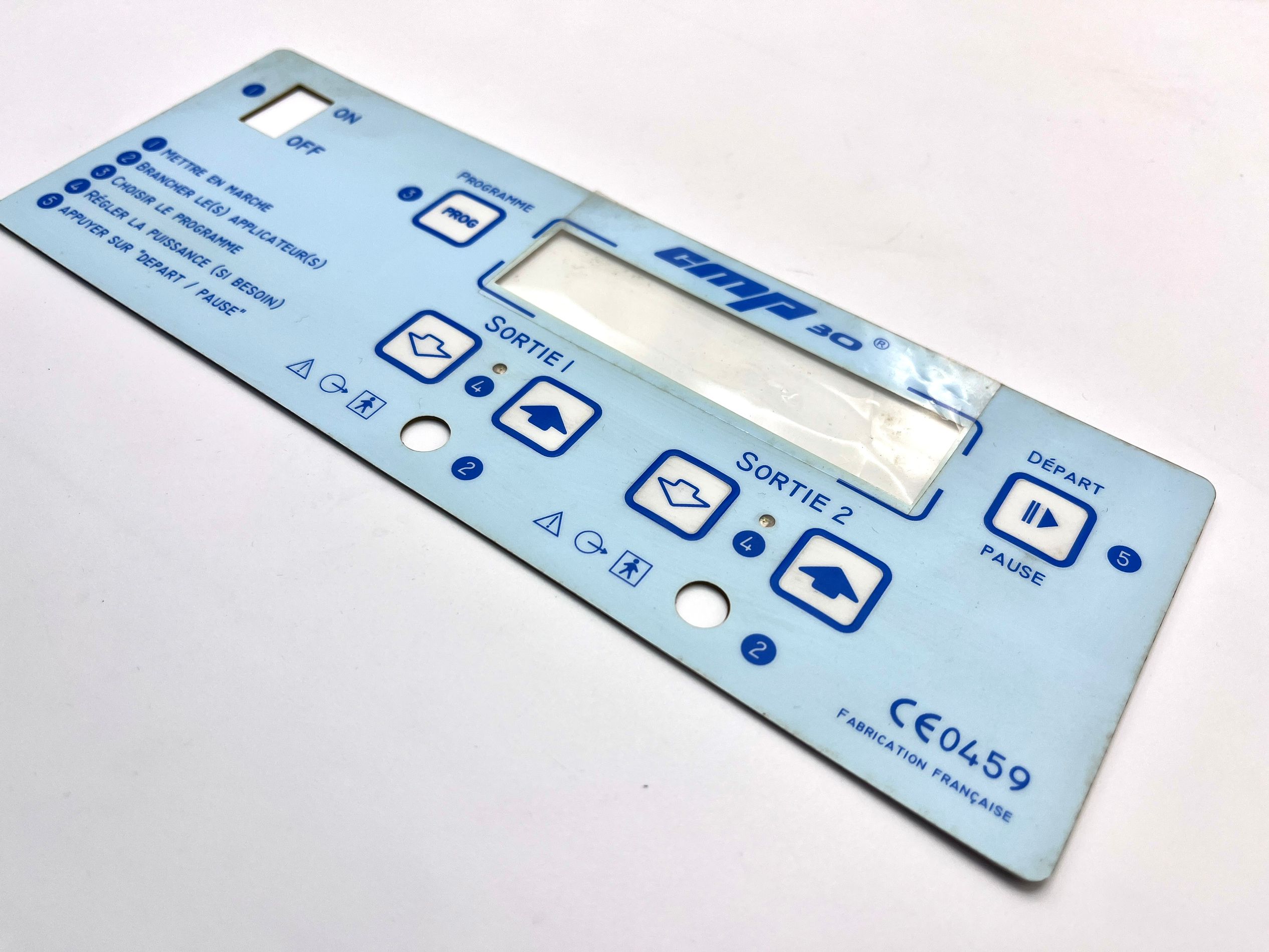
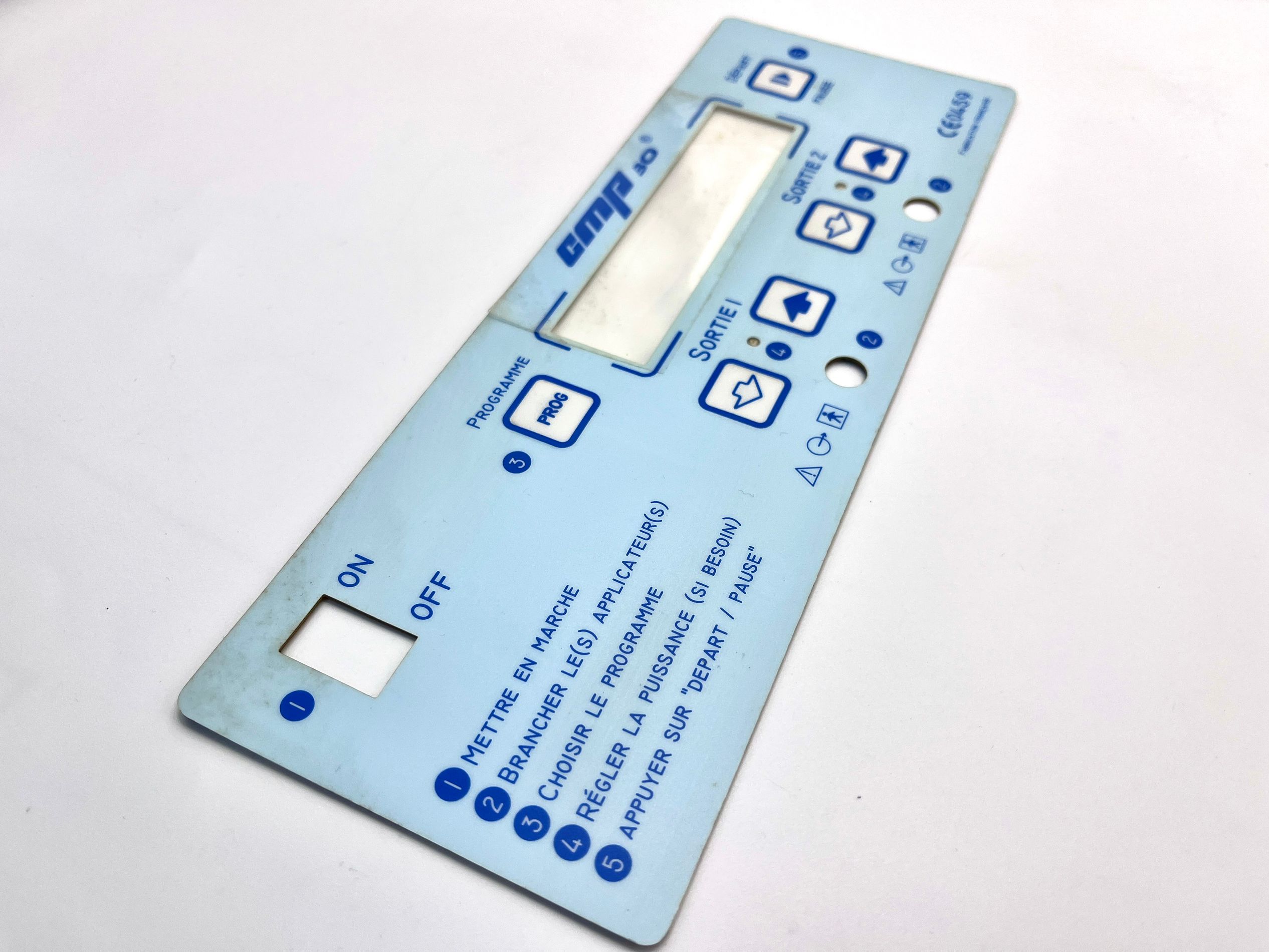
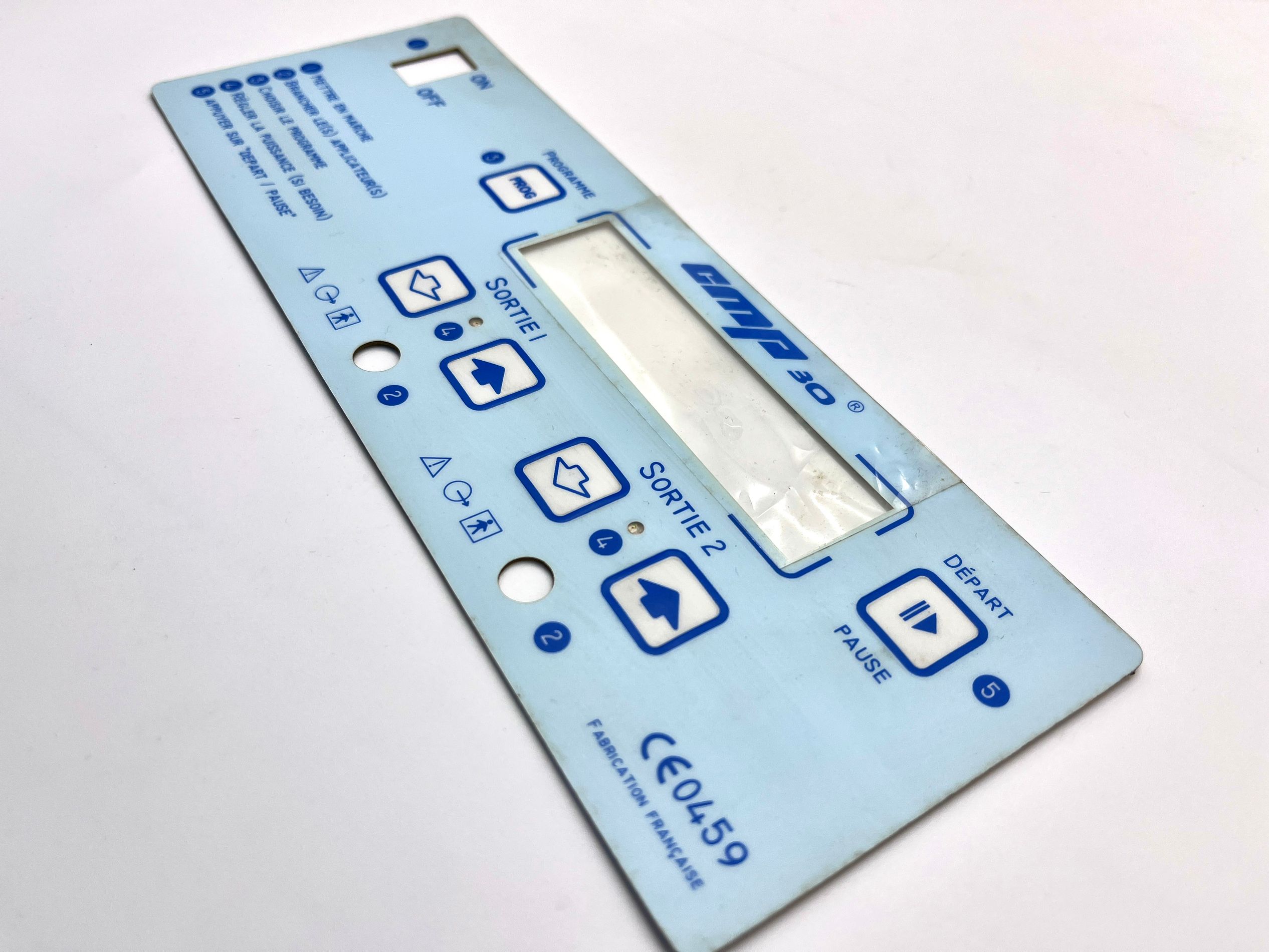
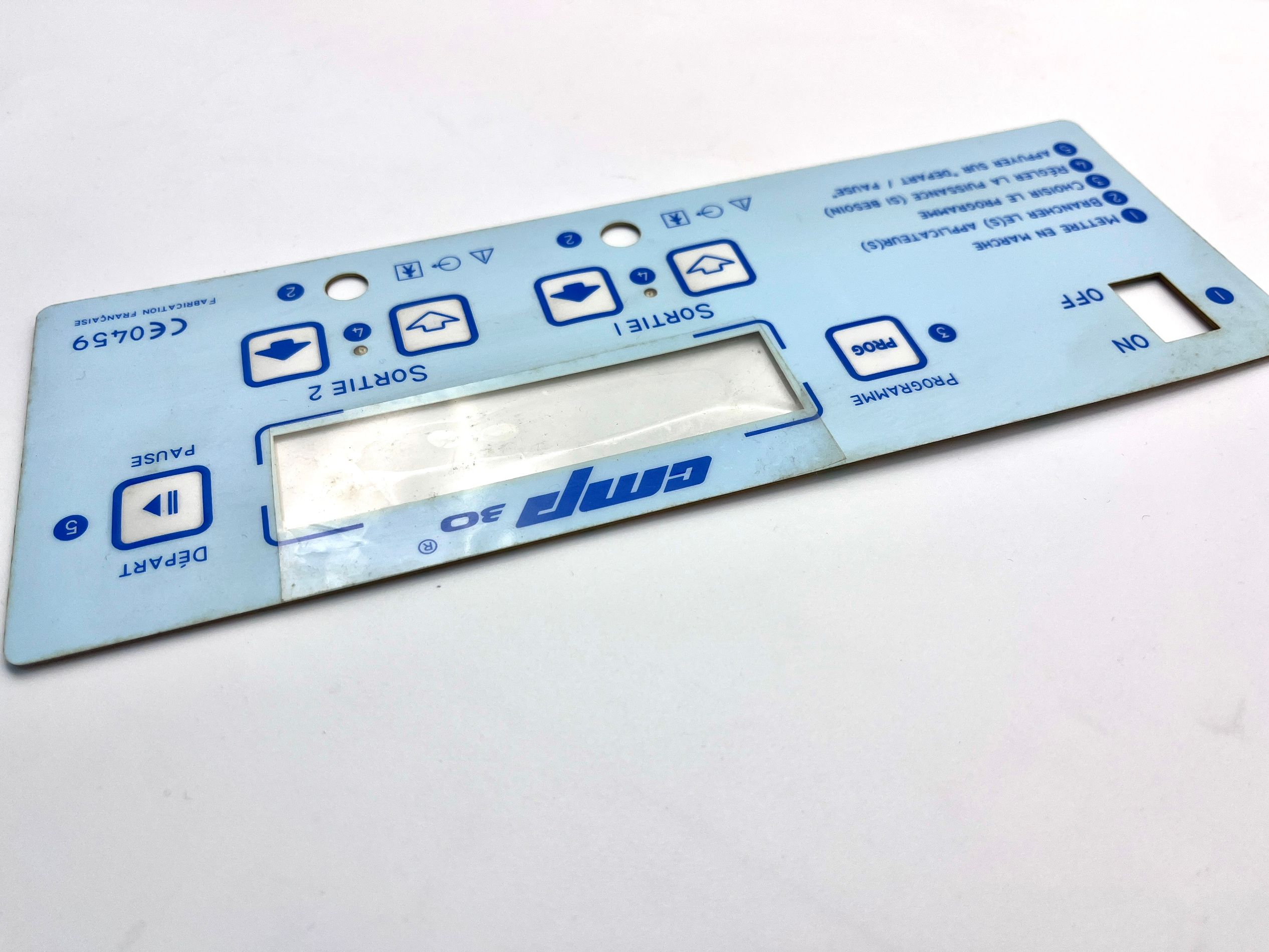
Medical Membrane Switch Custom Design And Screen Printing For Optimized User Interface With Graphic Overlay
Applications in the Medical Field:
- Requirements: Medical membrane switches must meet stringent standards, such as FDA requirements, and be highly reliable [2].
- Specific Needs: They should be moisture-resistant and able to withstand cleaning chemicals [2][9].
- Examples: They are used in various medical devices and laboratory equipment [2][13].
Components and Construction:
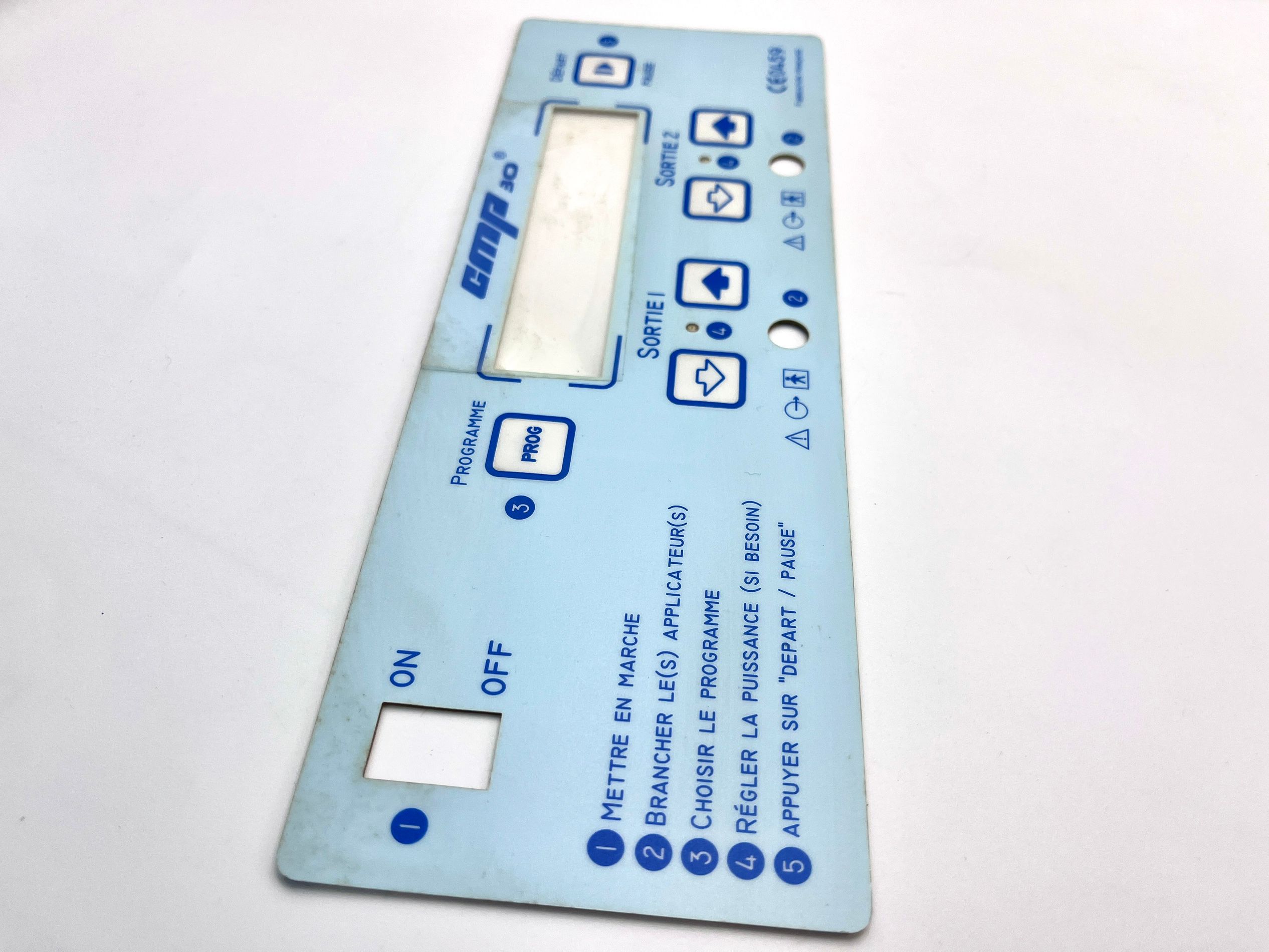
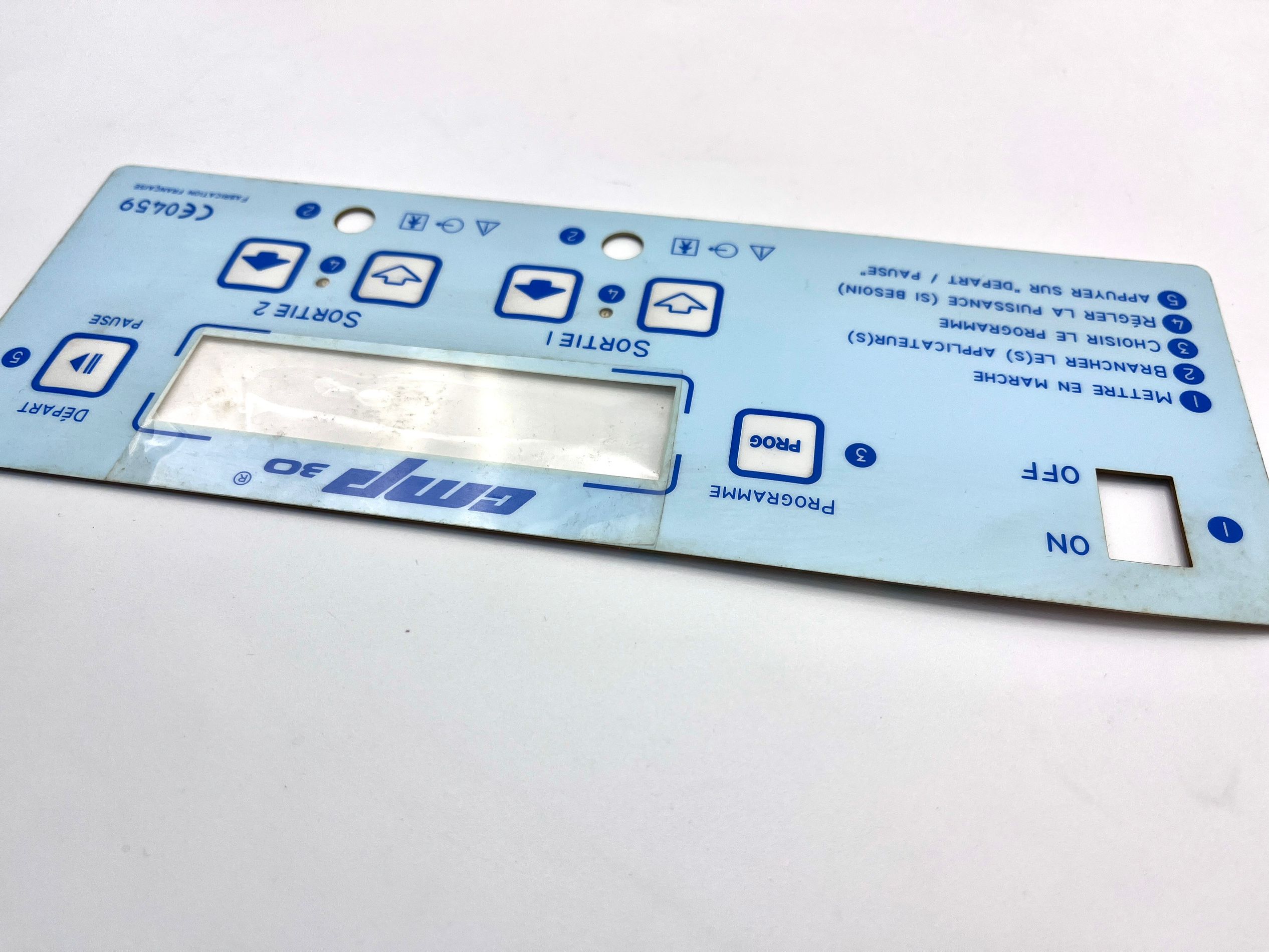
- Graphic Overlay: This is the top layer that the user interacts with. It features printed graphics, text, and branding [3][4]. The material is typically polyester or polycarbonate [3][5]. It provides visual guidance for the user [6][7].
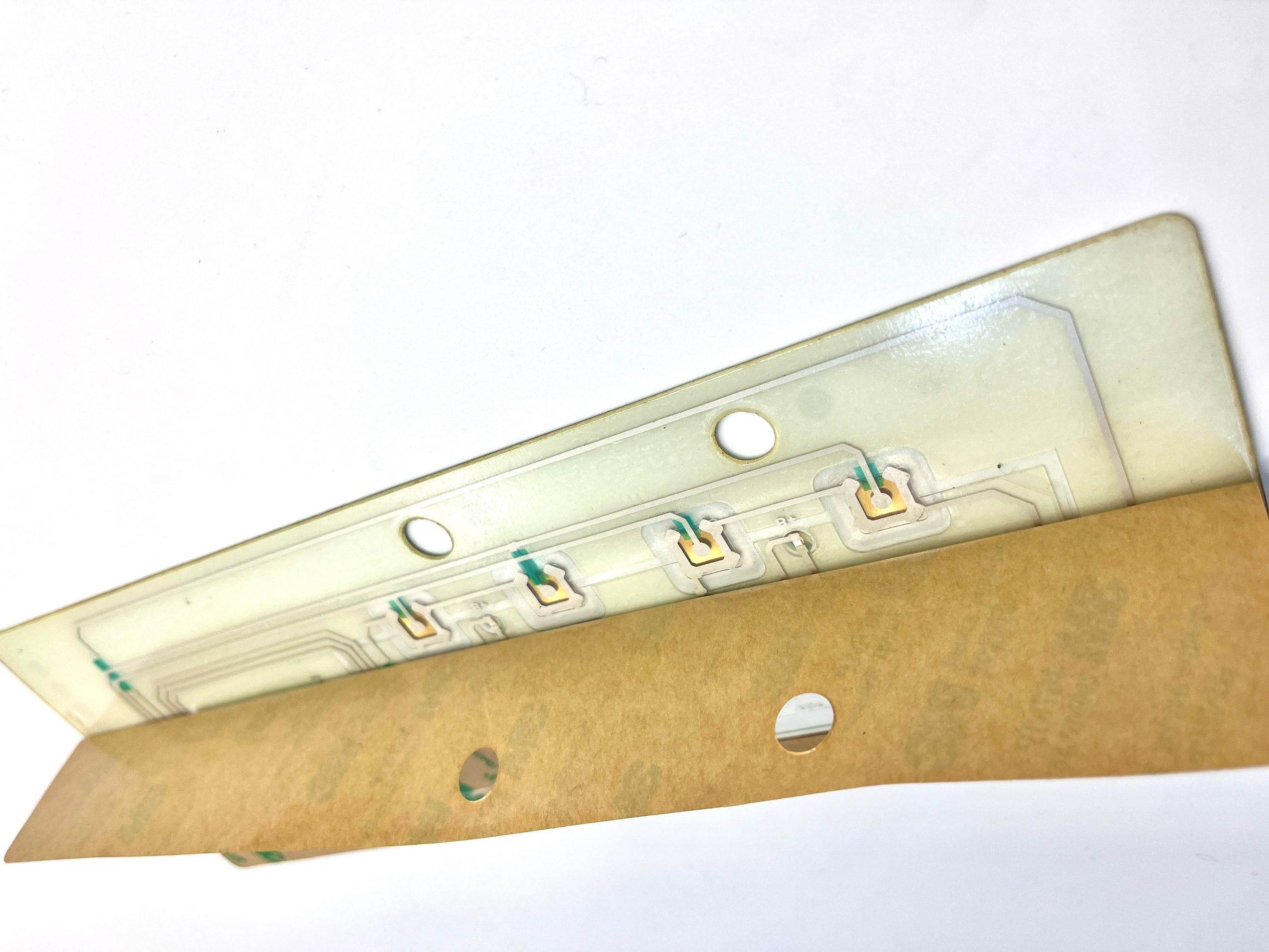
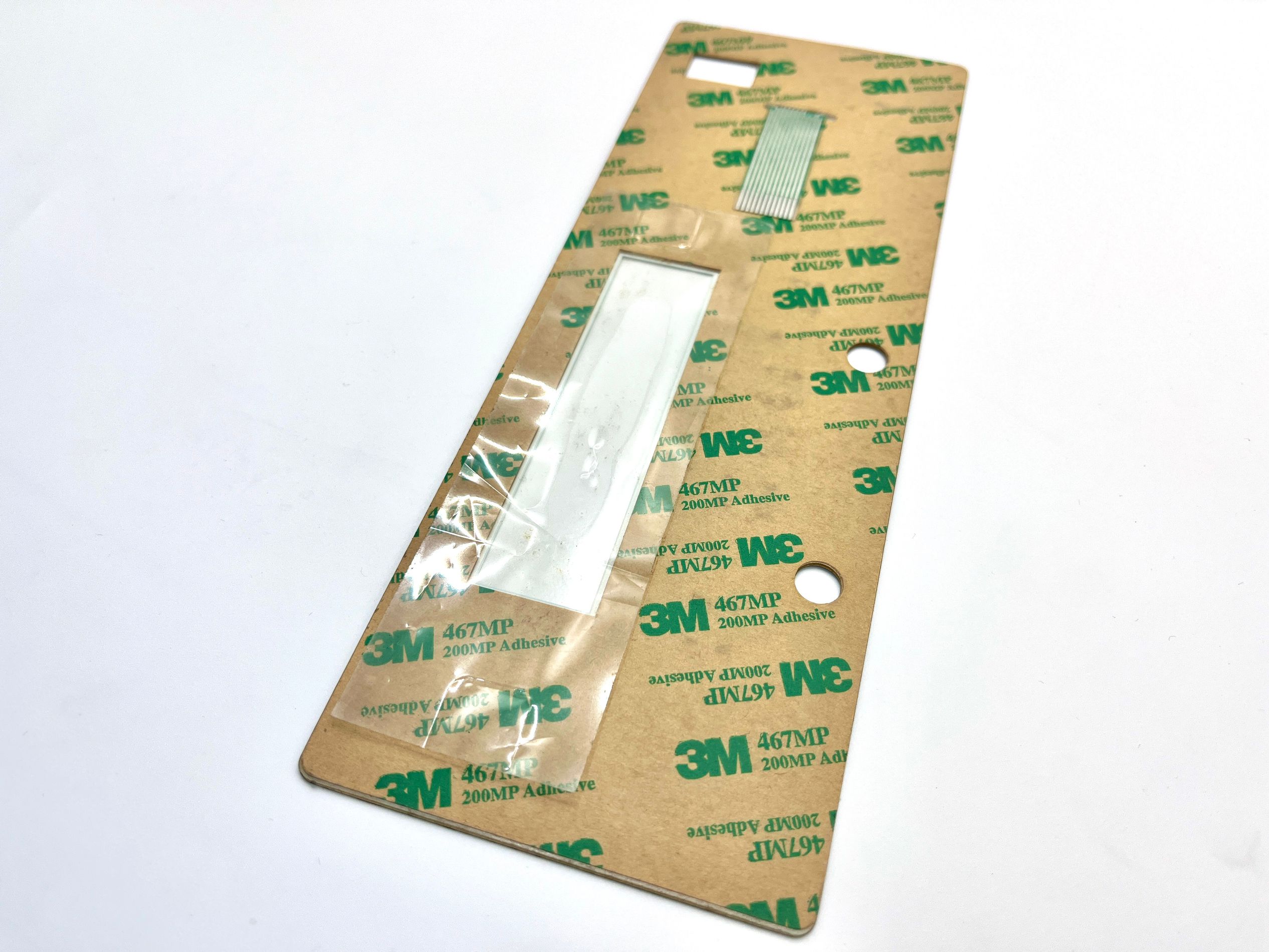
- Adhesive Layers: These layers bond the various components of the membrane switch together [4][8].
- Spacer Layer: This layer separates the overlay and circuit layer. It allows room for LEDs, domes, or non-tactile switches [4].
- Circuit Layer: This is the electrical component of the switch, often screen-printed with conductive inks on a flexible material [3][4]. When a key is pressed, the circuit closes, registering the input [9][10].
- Membrane Adhesive: This secures the switch to the device enclosure [4].
Custom Design and Features:
- Customization: Membrane switches are highly customizable to meet specific application needs [2][11].
- Tactile vs. Non-Tactile: Tactile switches provide a physical "snap" feeling when pressed, while non-tactile switches have a flat, smooth surface [7][8].
- Graphic Overlays: Overlays can include display windows, embossed buttons, and LED windows [6]. Finishes include matte, gloss, velvet, or brushed, with anti-microbial layers available for medical settings [1].
- Backlighting: Membrane switches can incorporate backlighting for better visibility [1][9]. Options include embedded LEDs, fiber optics, and electroluminescent (EL) backlighting [12].
- Materials: Common materials include polycarbonate, polyester, and aluminum, with various adhesives available [12]. Polycarbonate is easy to print on, while polyester offers greater durability [3].
- Printing: Graphic overlays are typically created using screen printing or digital printing [4][12]. Screen printing is favored for high-volume production and precise color matching [1].
Advantages of Membrane Switches:
- Sealed Surface: Membrane switches have a completely sealed surface, making them water-resistant [2].
- Thin Profile: Their thin profile allows for compact and sleek designs [2][8].
- Durability: They are known for their durability and long lifespan [6][8].
- Customizable: They offer a versatile graphic interface with screen-printed graphics [2].
- Resistance: They can be designed to resist chemicals, heat, scratches, glare, UV light, and water [6].
Screen Printing:
- Process: Screen printing uses a mesh to transfer graphics onto the overlay surface [1]. Multiple screens are needed for designs with multiple colors [1].
- Advantages: Screen printing ensures clear and durable printing on membrane switches [5]. It is suitable for various materials, including polyester and polycarbonate [5].
- Machinery: Advanced screen printing machines offer precision and efficiency [5]. They are designed for producing durable and accurate membrane switches for different applications [5].
Medical Membrane switches specification:
| Overlay material ---For front or face overlay | ||||||||
| Polyester | Polycarbonate | |||||||
1 Highly versatile for embossing 2 Highly resistant for chemicals 3 Better durability 4 For internal and external use | 1 wide range of the surface finishes and thicknesses 2 More cost-effective 3 For internal and external use 4 many Lexan label choose | |||||||
| Embossing --- Graphic overlay or up circuit can be embossed in order to insert metal stainless steel domes for good tactile when press .Leave space for mechanical keys and provide tactile indications | ||||||||
| Pedestal embossing | Rim embossing | Pillow embossing | Dim embossing | |||||
| Windows or LCD --- For display functions | ||||||||
| Printed colors windows such like red ,black and so on | Transparent finishes windows | |||||||
| Keys | ||||||||
| Tactile Keys :witch metal domes or Poly domes ,Metal dome with different diameter and pressure kinds | Non-tactile keys: printed silver spot on the circuit | |||||||
| LEDs ---Miniature LEDs ,LED colors :white ,Green ,Red ,Blue ,Yellow ,Orange and others | ||||||||
| EL and Sensors or inductors --- EL can be light any place where where you like ,and sensors can be used as LEDs | ||||||||
| Cables --- is extension of circuit and communication with your device | ||||||||
| Screen printing conductive silver cable | Copper plated cable /Polyimide or FPC | PCB cable | ||||||
| Types of connector --- 1 Zero insertion force(ZIF) with 0.5MM ,1.0MM,1.25MM pitch ;2 Female connector with 2.54MM pitch; 3 Male connector | ||||||||
| Shielding --- For protection function | ||||||||
| Gasket seal/Waterproof :protect the conductors against from the humidity and splashes | EMI/RFI/ESD Shielding: use an Aluminum foil shielding /clear ITO electrical conductive polyester to protect | |||||||
| Rear Adhesive --- Mostly use the 3M double-side mounting glue brand of USA. Also accepted others such like Lohmann and others | ||||||||
| Back plate --- Use in Aluminum ,Polycarbonate ,Acrylic Or PMMA | ||||||||
| Matching color --- PMS or RAL Is best ,CMYK or RGB also can be ok if you can supply PMS Or RAL | ||||||||
| Standard Tolerances :+/-0.2MM | ||||||||

