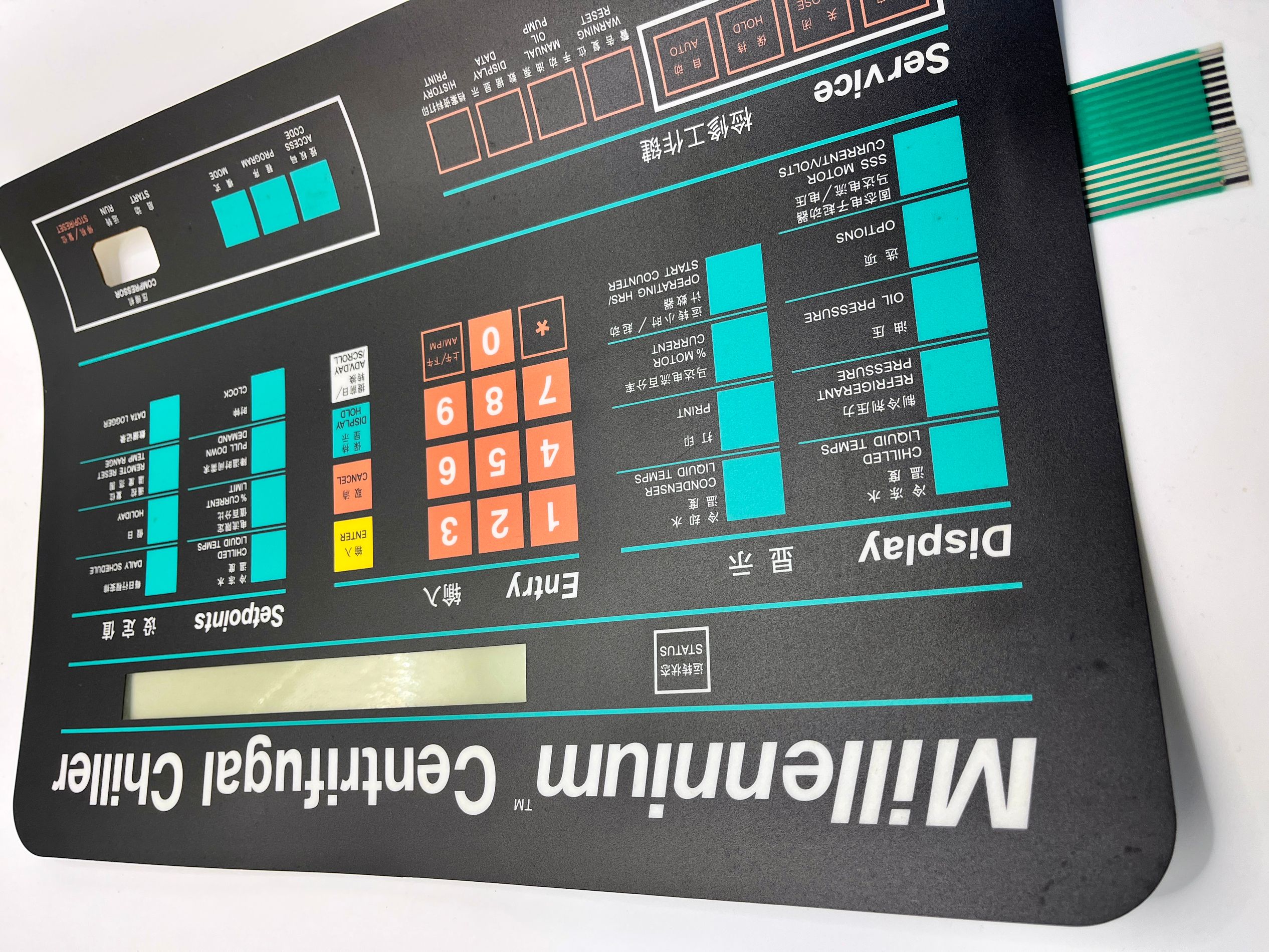
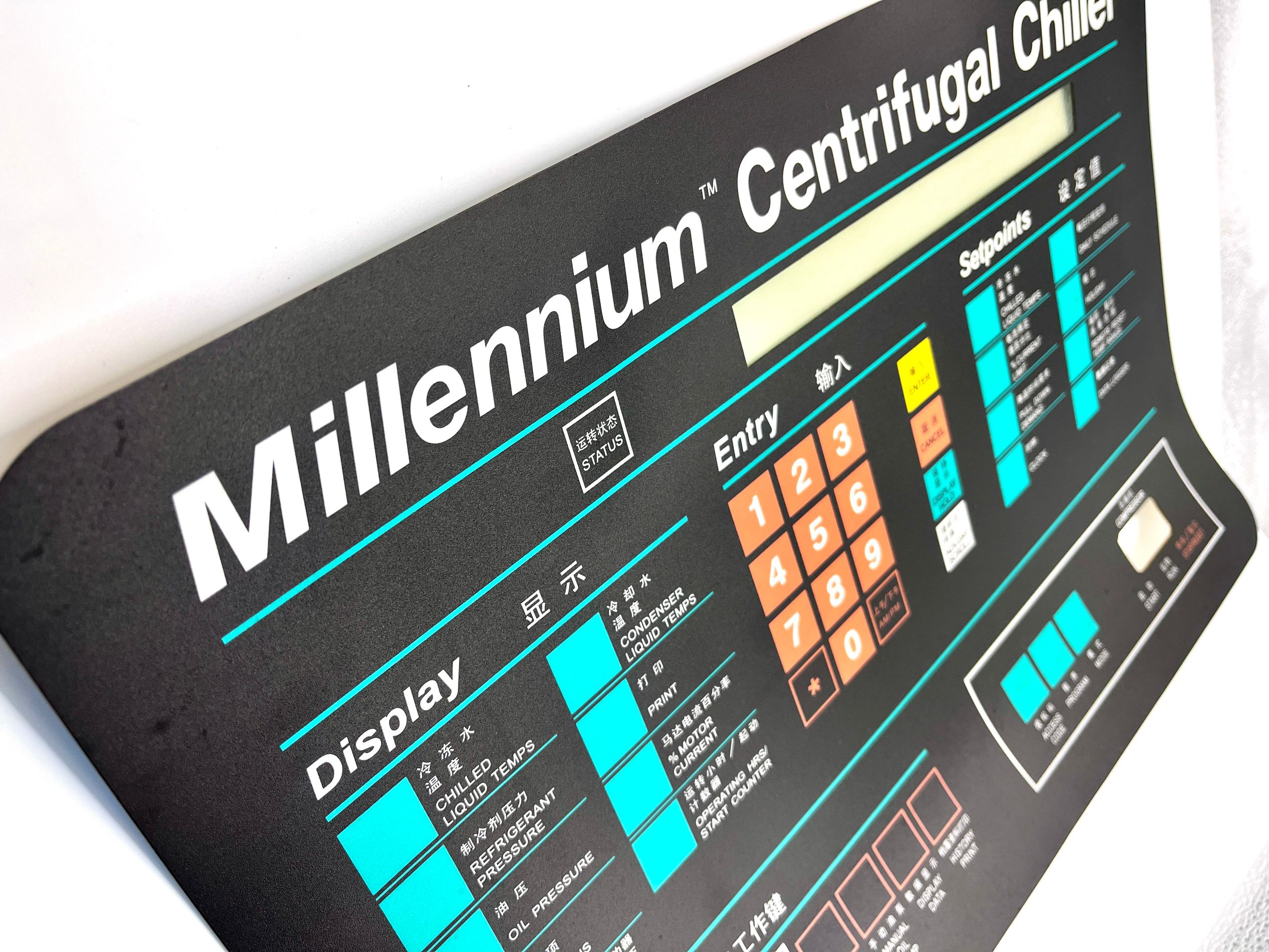
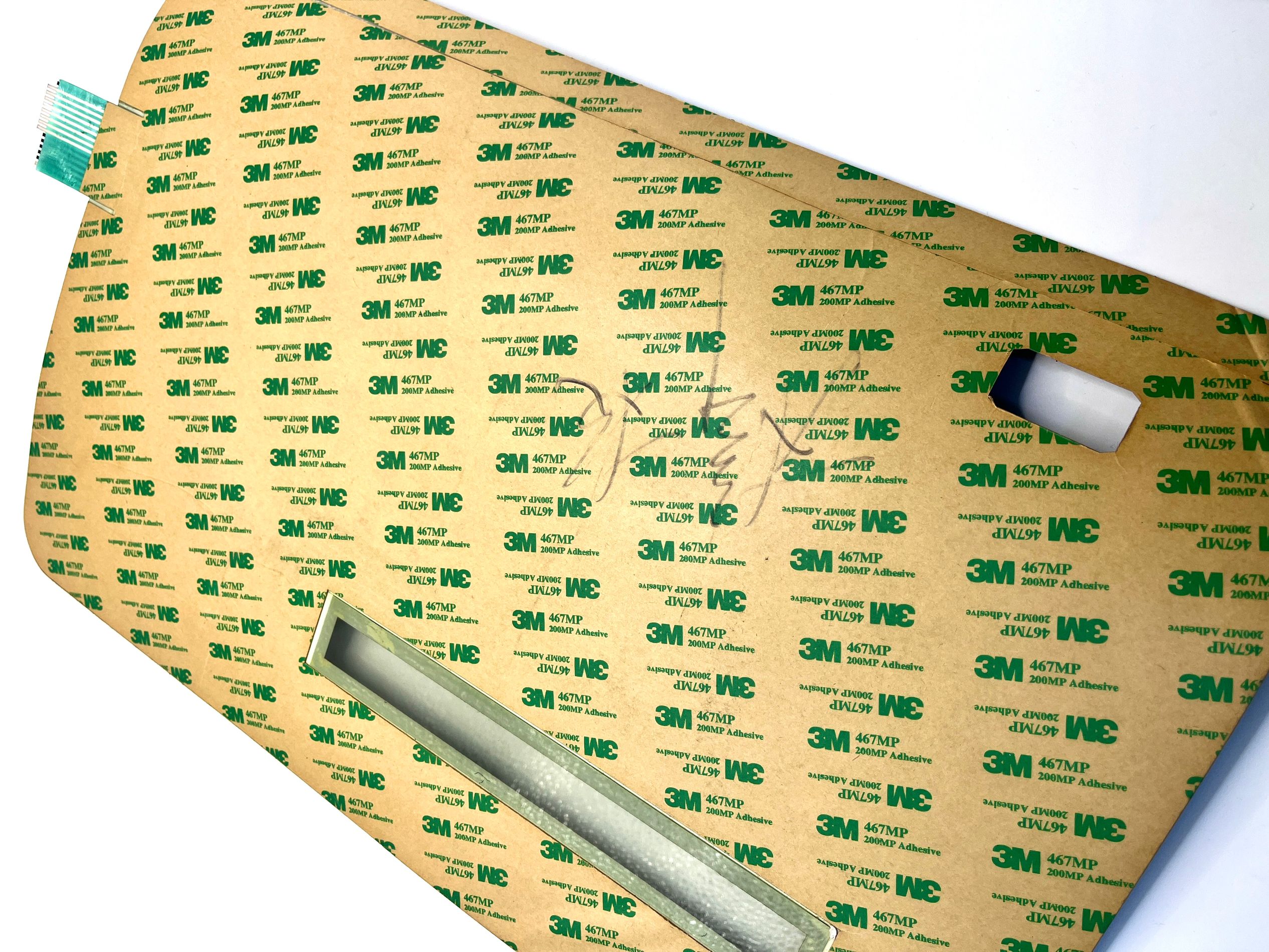
Silver Conductive ESD Embossing Membrane Panel Switches with Poly Dome Tact Button
EXW
MOQ:
100
Shipping:
Express Delivery
Sample:Free supportGet samples
Product details
Attachments
FAQ
Essential details
MOQ:100
Shipping:Express Delivery
Specification Number:custom design
Product Introduction

Common materil used in ESD membrane switch :
 
There are a number of materials you can use to shield your electronic components from ESD.

Polyester

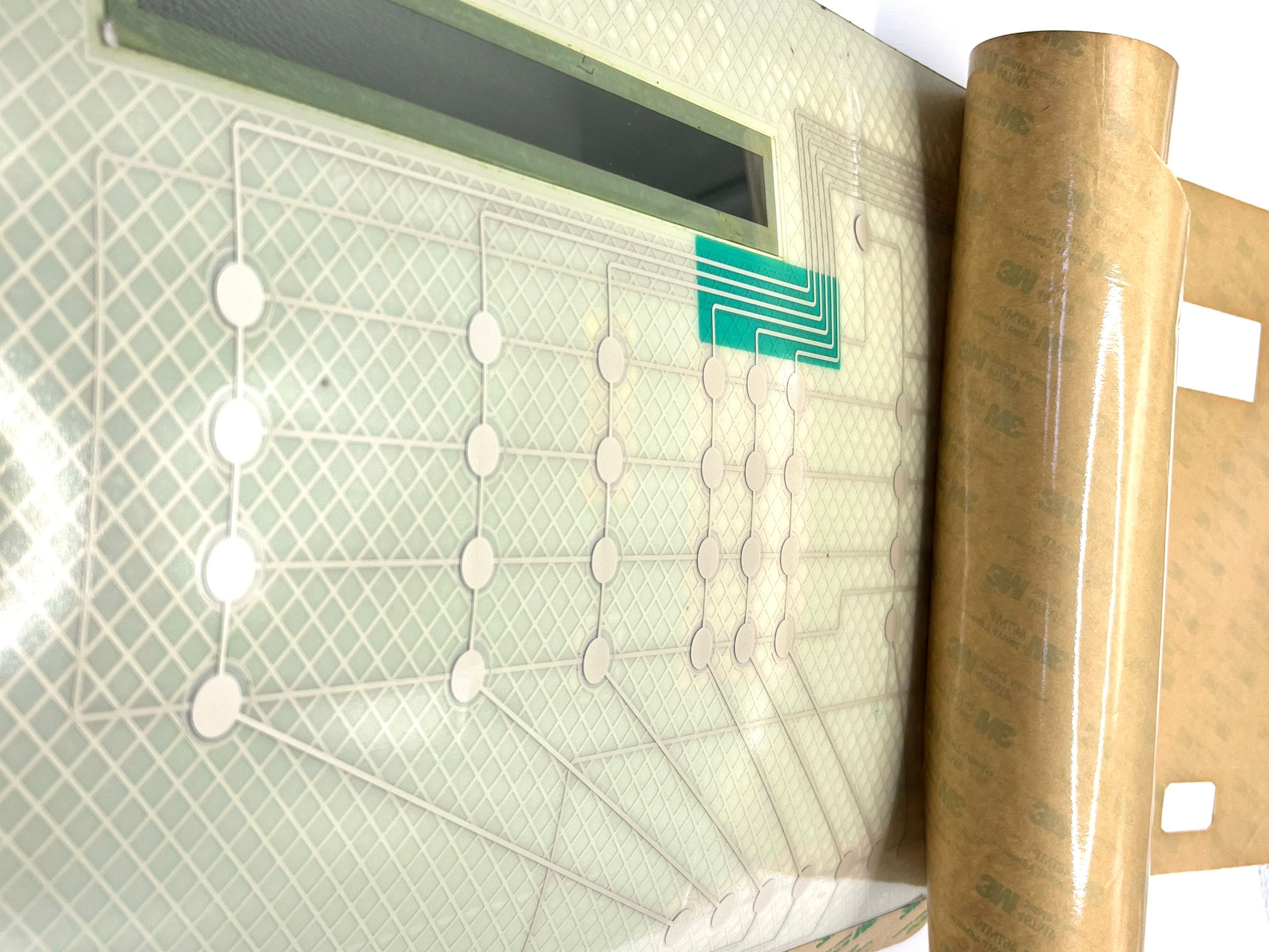
Polyester is a very common and cost-effective option. It is a very thin layer right behind the graphic overlay. Once the silver screen-printed grid pattern comes into contact with ESD, it guides the discharge to the chassis ground.

Aluminum Single Side Coated Foil

A thin aluminum layer, around 3-5 ml, can also be used to transfer the discharge away from the electrical components. The conductive side lays right side up and guides the ESD through a ground chassis point.

Conductive Copper Mesh Fabric

Conductive copper mesh fabric is a very high quality option only used in special applications due to its more expensive price tag. It is frequently used in communication and military units. A single layer of copper mesh fabric will also protect components from electromagnetic interference (EMI) and radio frequency interference (RFI).
 

Indium Tin Oxide (ITO)
Indium Tin Oxide (ITO) is a clear, electrical conductive transparent, plastic polyester material that is used when a display needs to be shielded from electrostatic discharge. It is difficult to produce and can be more costly, but will fully protect the display area from ESD, EMI, and RFI.


ESD shielding is particularly important in applications where membrane switches are exposed to environmental factors that can generate static electricity, such as:

  • Industrial machinery and equipment
  • Medical devices
  • Automotive electronics
  • Consumer electronics with touch-sensitive interfaces

By incorporating an ESD shielding membrane into the design, manufacturers can ensure that their membrane switch products are more resilient and less susceptible to damage from electrostatic discharge, improving their overall reliability and performance.
 

TESTING ESD SHIELDING
The effectiveness of ESD shielding can be tested using two methods prescribed by ASTM test method F1812: one for measuring contact discharge, and the other for measuring air-gap discharge.
 
Both methods require some form of shielding that is connected to earth ground during testing. The contact discharge method measures shielding when the discharge tip of a special ESD gun is in direct contact with the keypad. The air-gap method measures shielding when the gun is discharged at a specified distance above the keypad.
 
For specific applications, the customer must provide performance criteria for the switch so we can accurately evaluate ESD protection level, including the following:
 
interface application type
mounting conditions for the switch assembly (details about housing, connections, etc.)
discharge test method to employ if applicable (contact and/or air-gap)
ESD voltage protection required (kV)
Leave your information and we will contact you.

Customer services

Sell on waimao.163.com