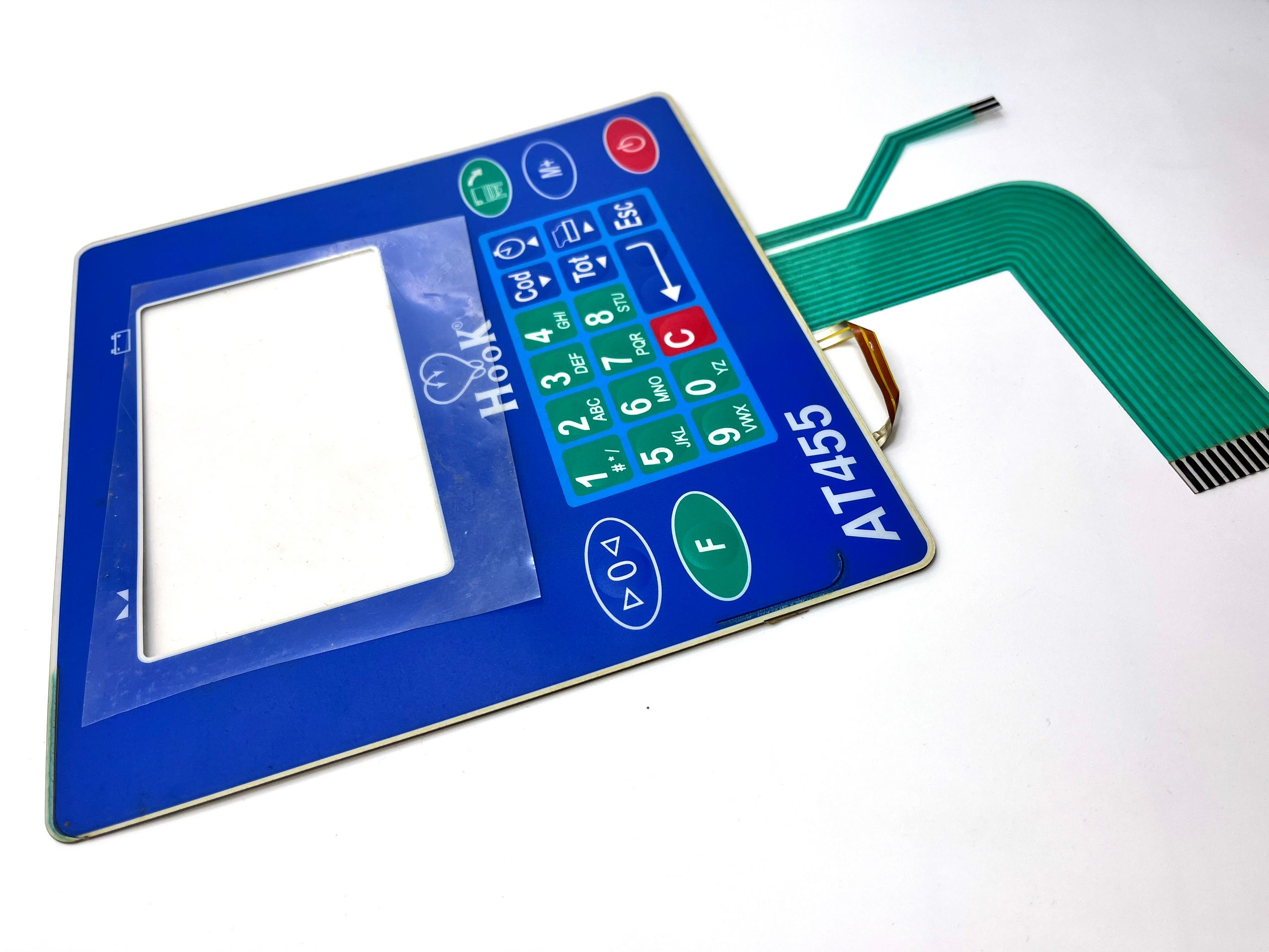
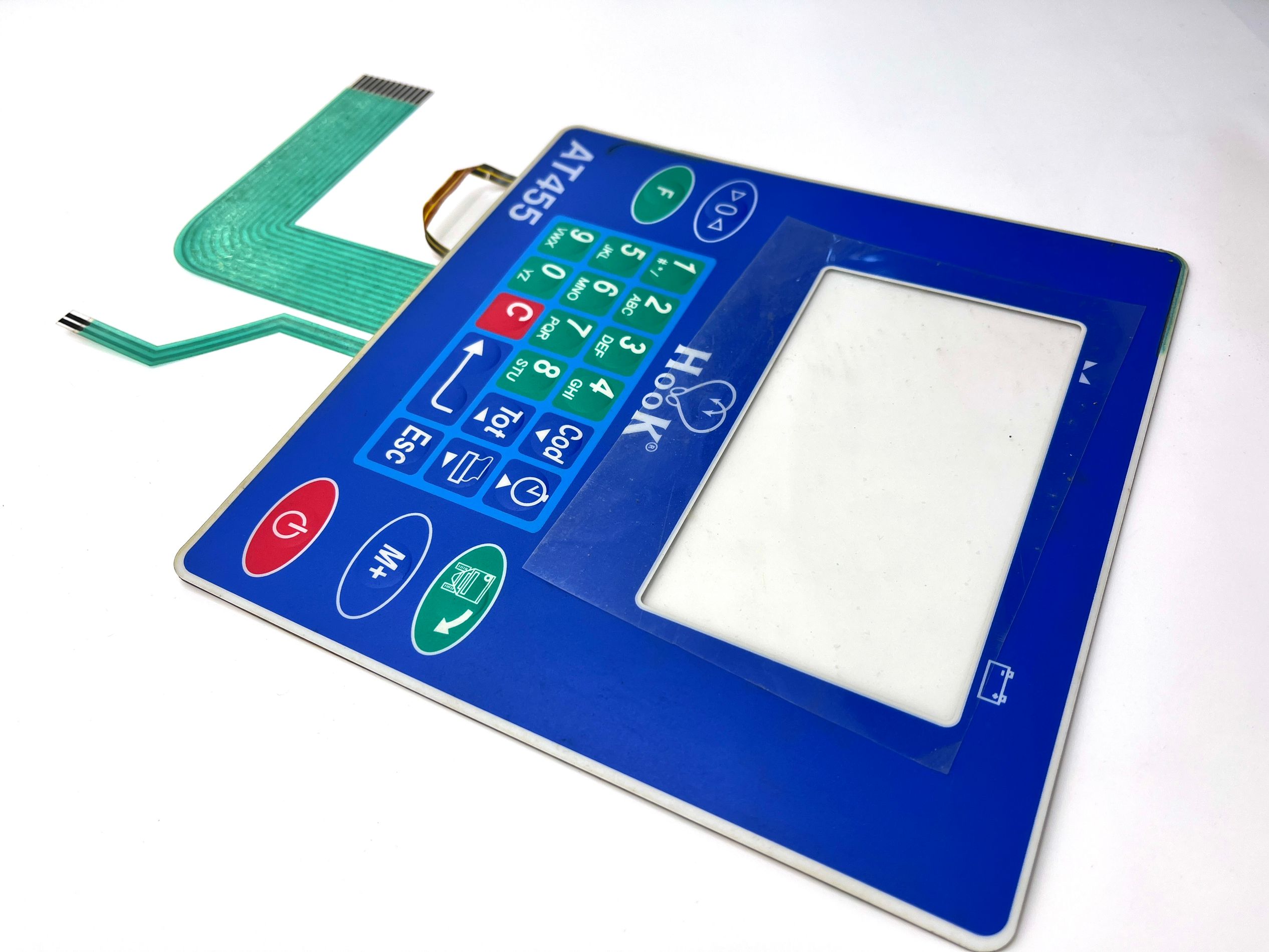
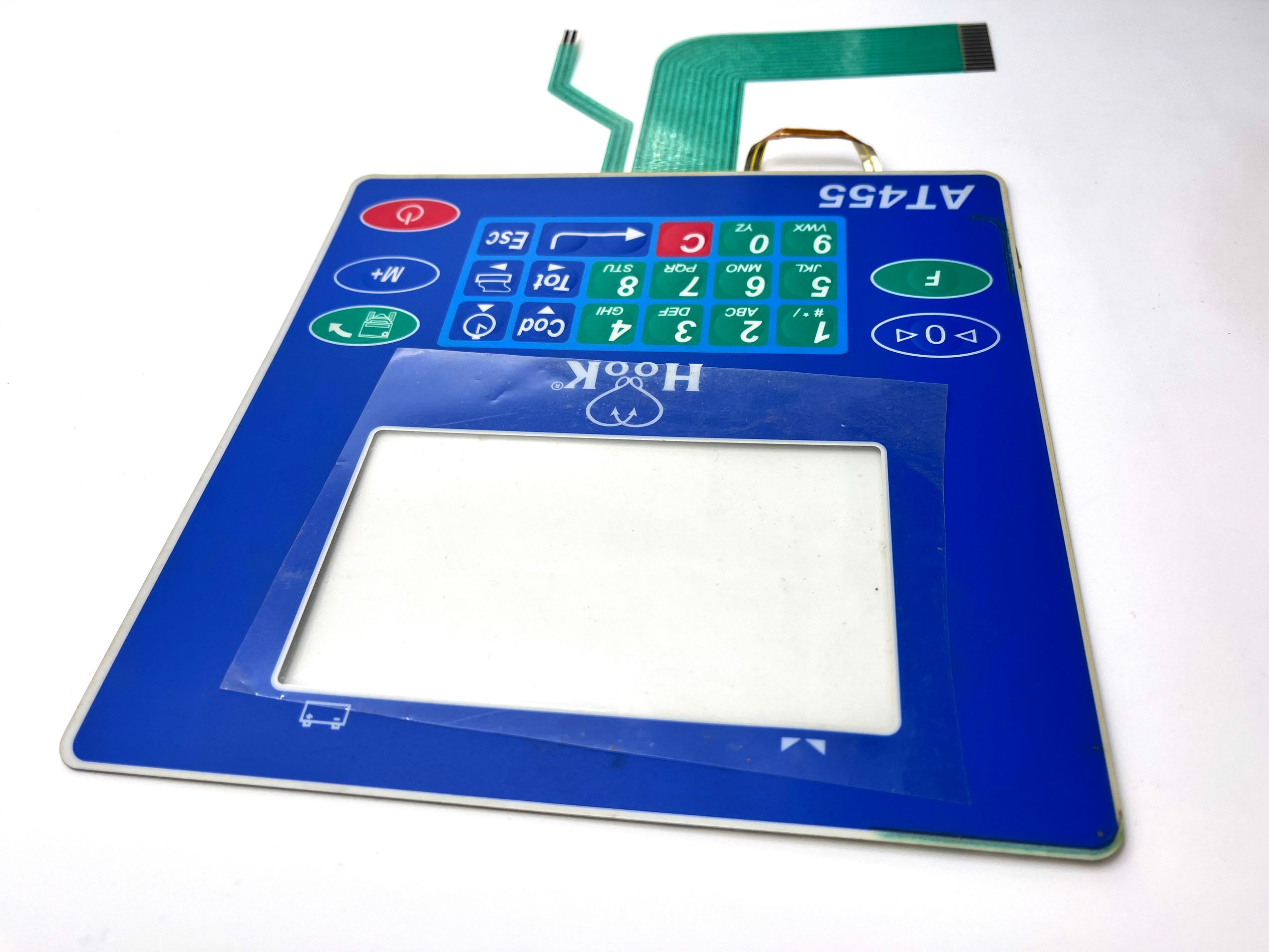
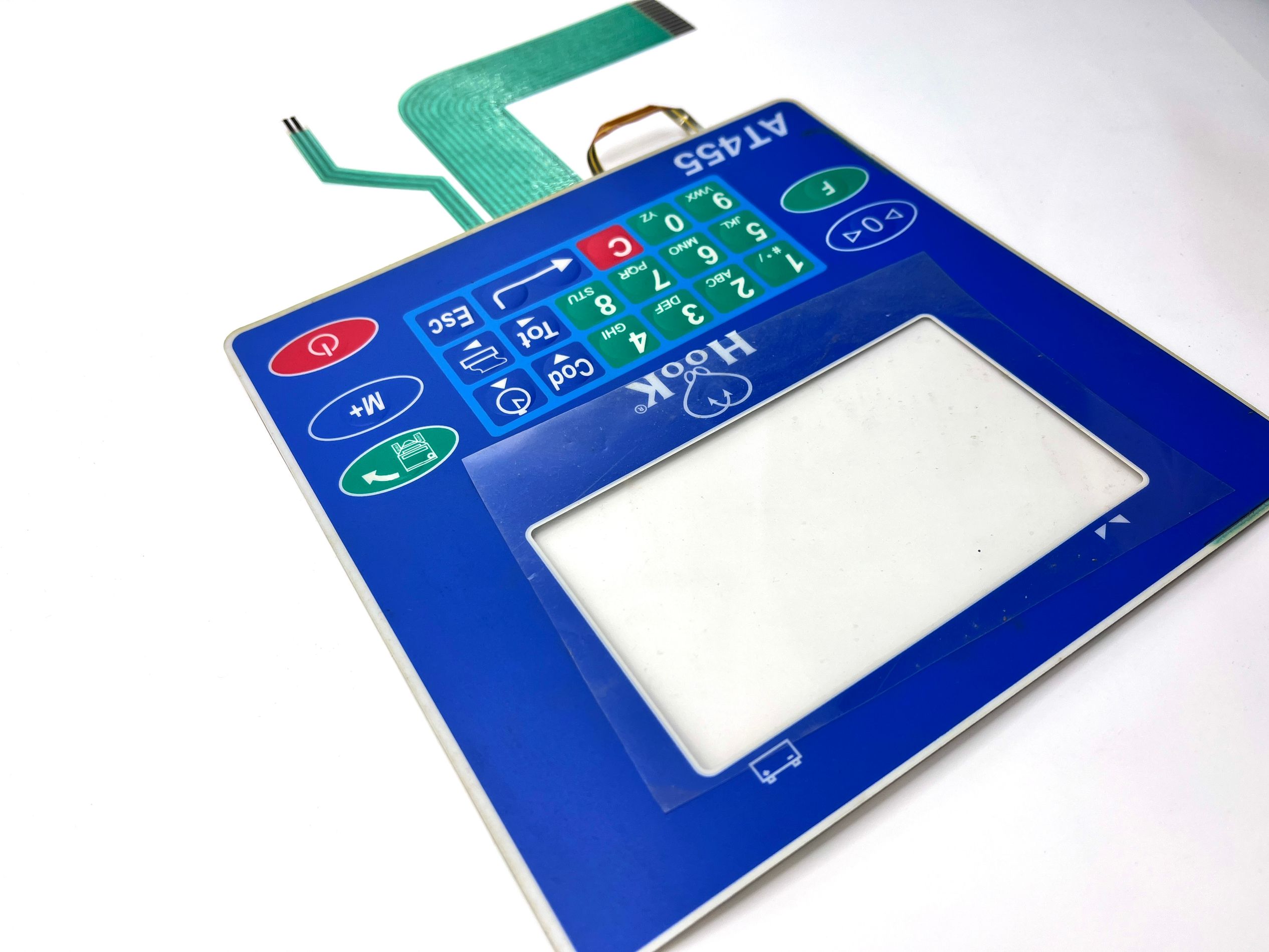


Essential details
MOQ:100
Shipping:Express Delivery
Specification Number:custom design
Product Introduction
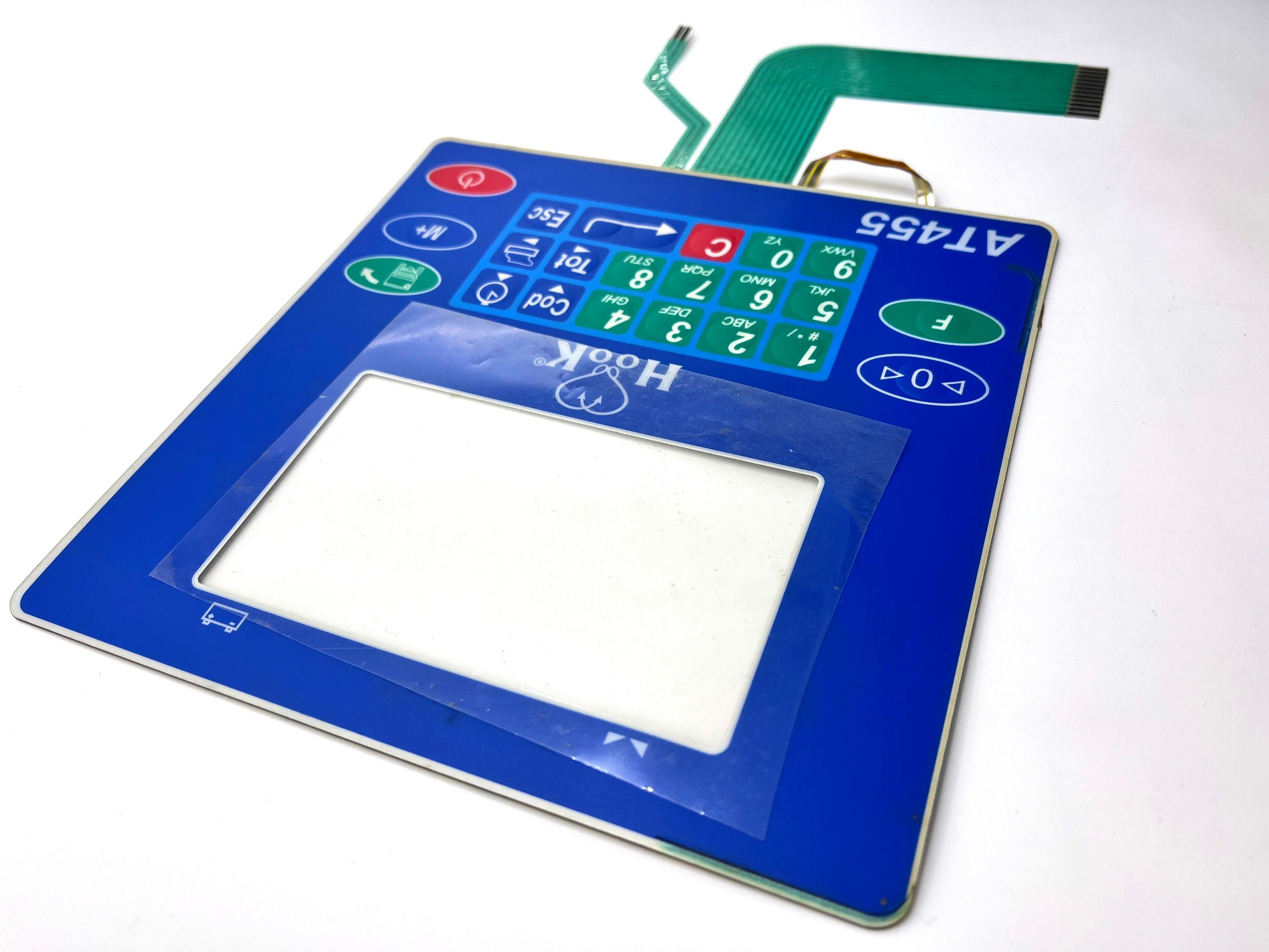
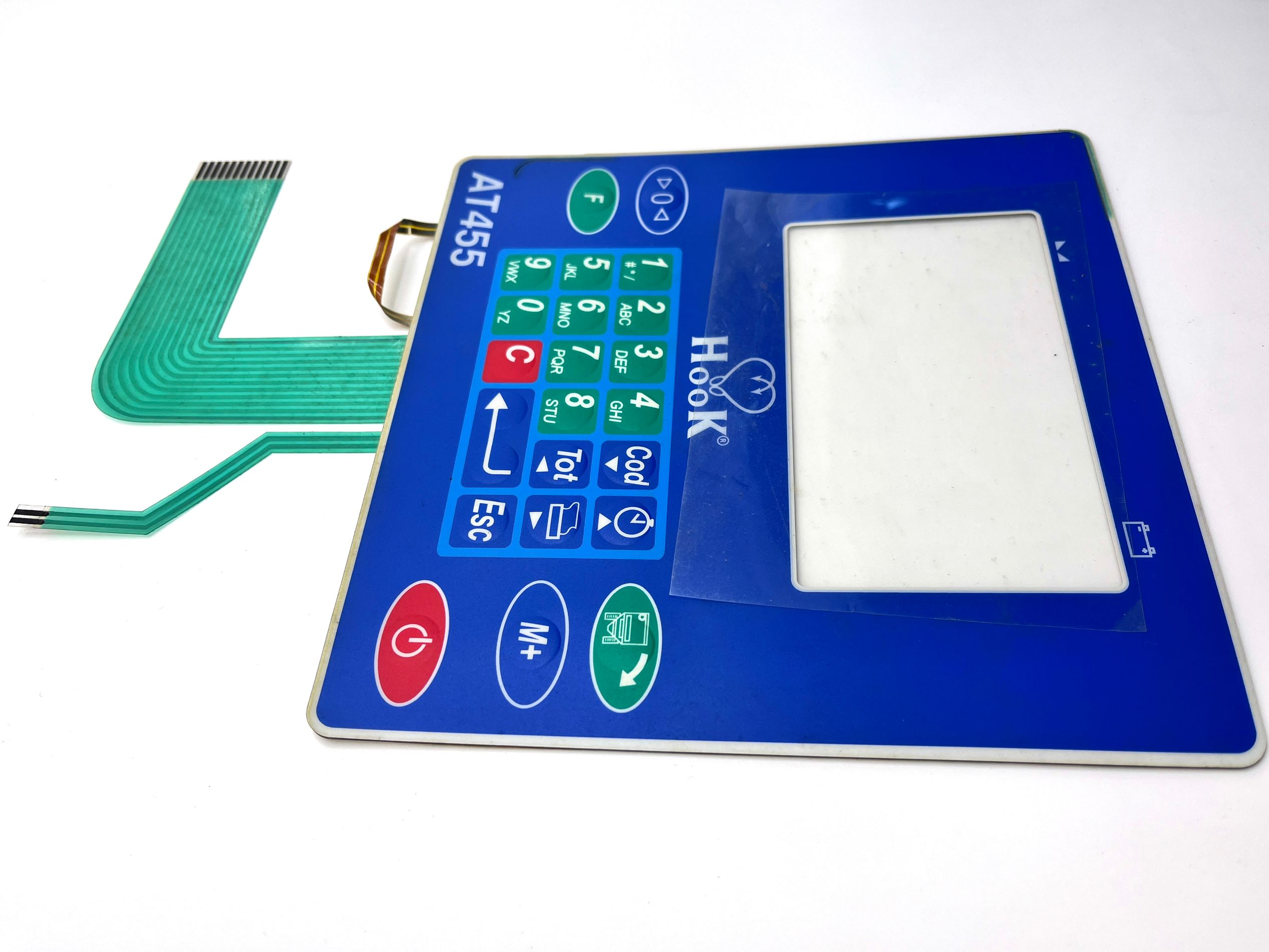
Emboss Type Waterproof Flexible Membrane Control Panel For Testing Controller
Creating an embossed, waterproof, flexible membrane control panel for a testing controller involves several considerations. Here’s a breakdown of key design and functional aspects:
Key Features
Material:
- Membrane: Use a flexible and durable material, such as polyester or polycarbonate, which can withstand environmental factors.
- Waterproofing: Ensure the material has a waterproof rating (like IP67 or higher).
Embossing:
- Design: Create raised or recessed areas for buttons and indicators to enhance tactile feedback.
- Process: Use techniques like screen printing or UV printing to apply graphics.
Control Elements:
- Buttons: Design tactile buttons with clear symbols or labels for operation.
- LED Indicators: Include embedded LED lights for status indication.
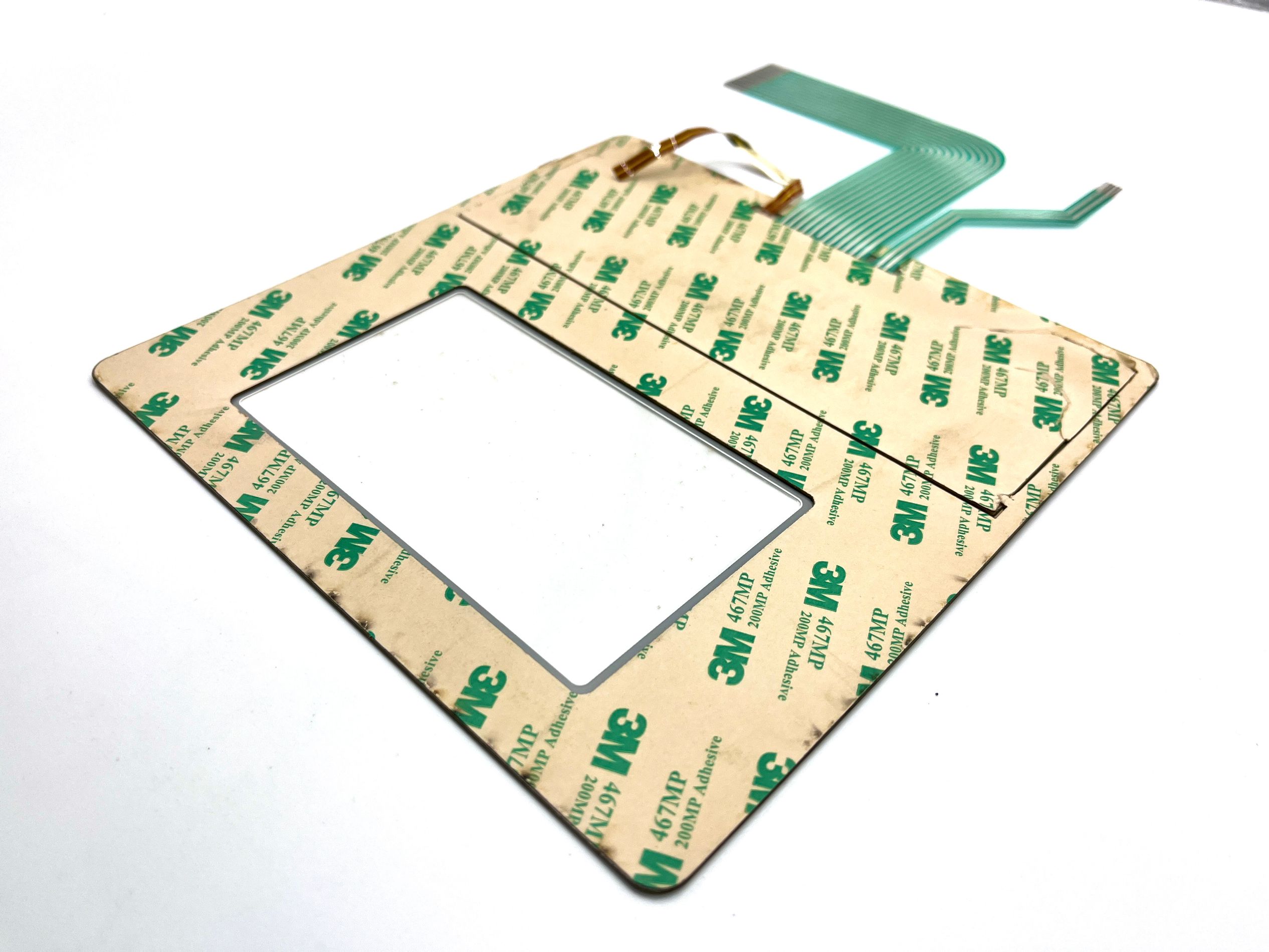
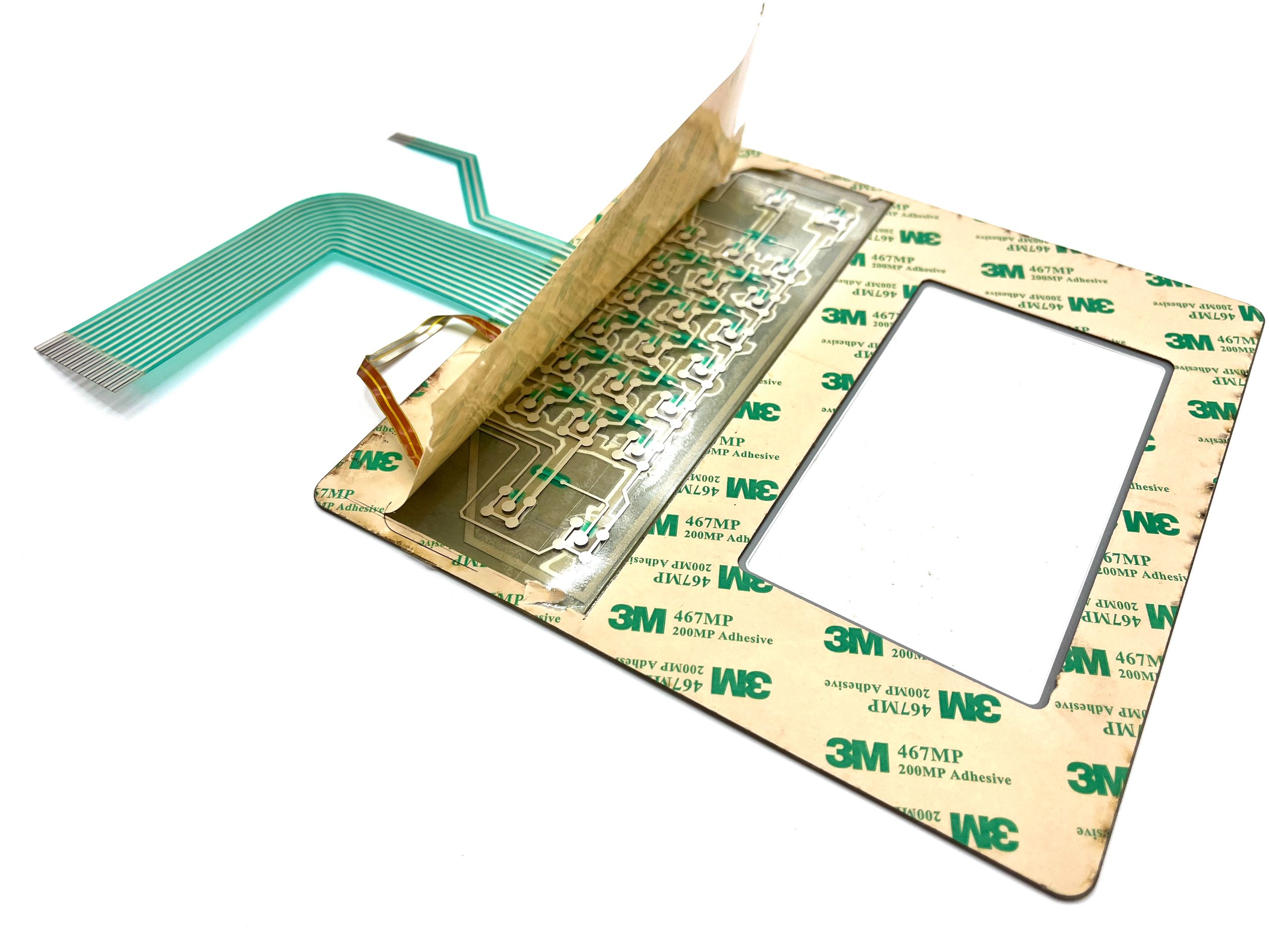
Adhesive Backing:
- Ensure the panel has a strong adhesive layer for easy installation on the controller.
Testing Compatibility:
- Design the layout to accommodate specific testing functionalities and user interface requirements.
Applications
- Laboratory Equipment: For testing devices and scientific instruments.
- Industrial Controls: In manufacturing environments where moisture is a concern.
- Consumer Electronics: For waterproof devices used in outdoor settings.
Considerations
- Durability: Ensure the panel can resist wear and tear from frequent use.
- Customization: Offer options for different sizes, colors, and button layouts based on user needs.
Membrane switch Performance Index
|

