US Media Exposes: Chinese Exports to the US Suspected of Tax Evasion, Shortfall Reaches 112 Billion Yuan
Created on 02.27
According to the latest reports from multiple authoritative U.S. media outlets, including Bloomberg, there is a massive discrepancy of up to $112 billion between the declared value of China's exports to the U.S. in 2025 and the actual value cleared by U.S. Customs upon arrival.
Under record-high tariffs
tax evasion and avoidance have surged
Latest trade data shows that China's declared export value to the U.S. last year was significantly higher than the import value recorded by the U.S.
The enormous scale of the discrepancy means that as much as a quarter of Chinese goods may have evaded tariffs through various means.
A U.S. company stated that it paid tariffs as high as 45% in the past year, and its president said they frequently receive WhatsApp messages and emails from China offering lower-priced "all-inclusive" shipping services, claiming "taxes are included".
Some promotional materials even promise
shipping prices from China to the U.S.
as low as 70 cents per kilogram
However, the CEO of logistics platform Flexport stated that all-inclusive rates billed by the kilogram are impossible.
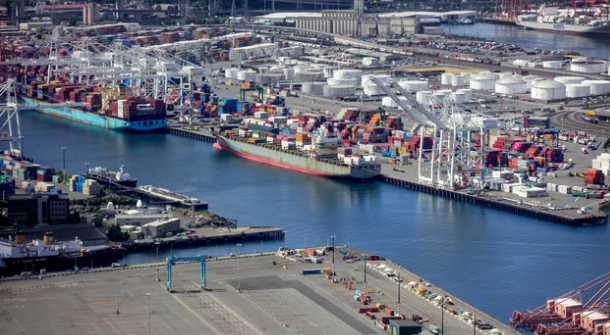
The trade data gap between China and the U.S. continues to widen, far exceeding the statistical differences when President Trump first initiated the trade war.
Previous research by the Federal Reserve shows that nearly two-thirds of such data mismatches stem from tariff evasion.
Therefore, high tariffs may have spawned
a complex underground shipping economy
A common tactic is to use the Delivered Duty Paid (DDP) shipping model, where the overseas seller is responsible for customs clearance and duty payment.
This model is theoretically legal, but it constitutes fraud when importers underreport the value of goods or misclassify them to pay less duty.
Such operations often rely on shell companies to act as "importer of record (IOR)". When authorities investigate, these companies are often found to have fabricated addresses or to be defunct.
The report points out that U.S. Customs has become aware of such operations and has begun to strengthen enforcement on importer accounts linked to companies registered in China, Hong Kong, and other regions.
The Trump administration also established a trade fraud task force and expanded the scope of reporting.
However, law enforcement agencies still face many limitations; shell companies can disappear instantly, and pursuing overseas operators presents jurisdictional challenges.
Alarmingly, in many cases, import buyers are unknowingly drawn into illegal and non-compliant operations, facing high compliance risks such as customs accountability, cargo seizure, and hefty fines.
This gray game, fueled by high tariffs, is creating more and more hidden dangers for China-U.S. trade.
Article Source: Veyun.com
WeChat