Ship passage through the Strait of Hormuz is completely interrupted again, Trump says Iran will be blockaded at 10 PM tonight
Created on 04.14
Local time on April 12th, negotiations between the US and Iran in Islamabad, Pakistan, did not reach any agreement, and the Middle East situation escalated again.
US President Trump publicly announced after arriving at Andrews Air Force Base in Maryland that the US military will impose a maritime blockade on Iran at 10 AM US Eastern Time on April 13th, and 10 PM Beijing time on the same day.
This will cover all Iranian ports and coastal areas in the Persian Gulf and the Gulf of Oman, strictly controlling the passage of vessels entering and leaving Iran.
Trump also stated that several countries are cooperating with the US to cut off Iran's oil export channels.
He also emphasized that US domestic oil production has significantly increased, far exceeding the combined output of Russia and Saudi Arabia, and that related oil transportation does not need to pass through the Strait of Hormuz.
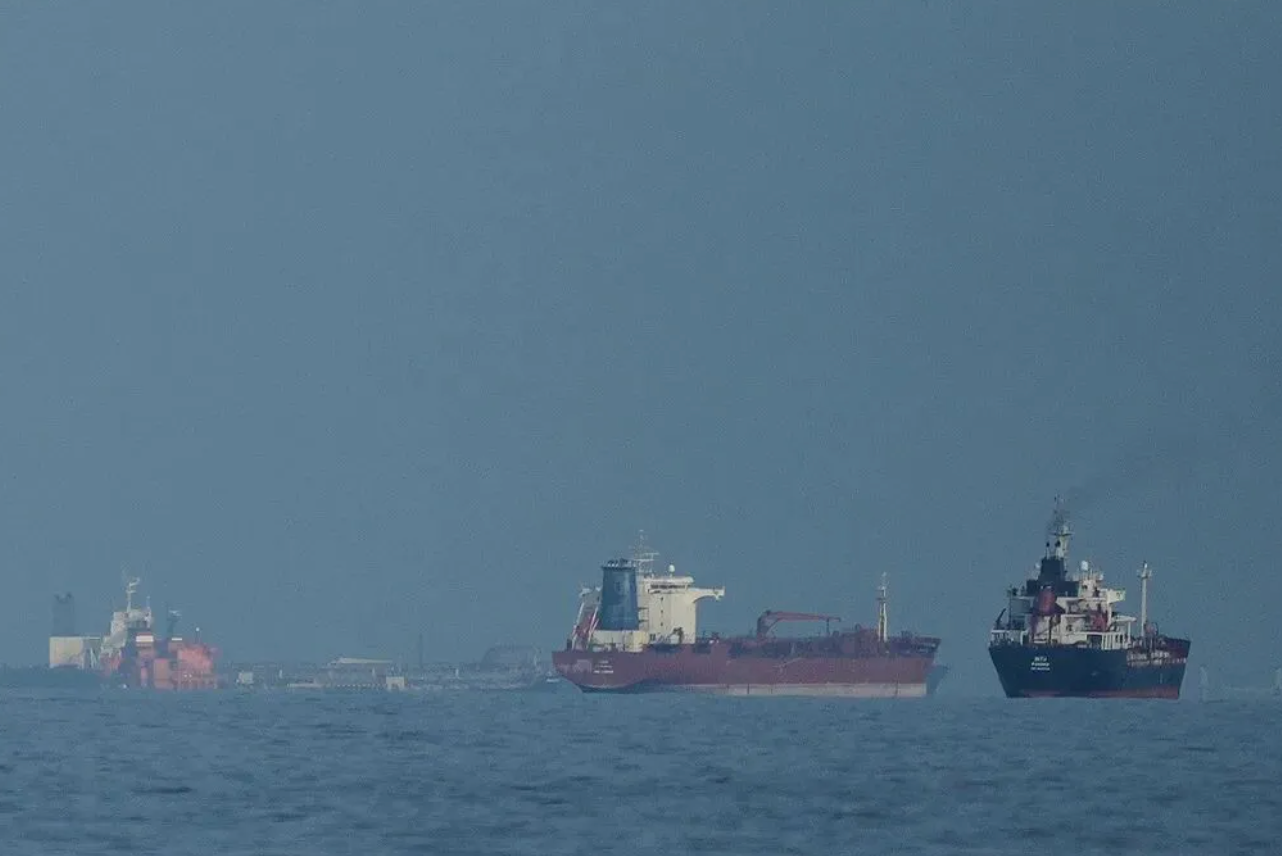
△ Strait of Hormuz (File Photo)
According to monitoring by the British maritime analysis firm Woldward and verification by CCTV News, all ship traffic in the Strait of Hormuz was immediately and completely interrupted after Trump announced the blockade.
At least two merchant ships that were originally sailing out of the strait made an emergency U-turn and returned, and there were no ships in the waterway, which fell into a complete standstill.
Previously, oil tanker traffic in the strait had slightly recovered on April 11th, and although it decreased on the 12th, it was still navigable. The US blockade statement directly broke the fragile balance, causing this "world oil valve" to completely shut down.
Woldward's report pointed out that the strait is currently under dual control by Iran and the US military, with extremely unstable navigation and a sharply rising risk of direct conflict between countries.
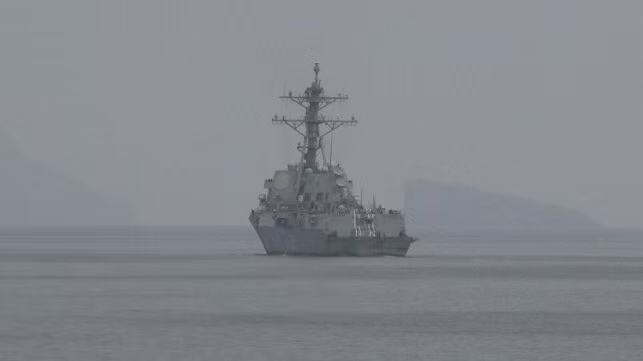
One of two US Navy destroyers briefly transited the Strait of Hormuz on Saturday (US Navy)
Iran remains unyielding. The Islamic Revolutionary Guard Corps of Iran issued a statement on the 12th, clarifying that the Strait of Hormuz remains under Iranian control and is only open to non-military vessels that comply with regulations.
At the same time, it issued a stern warning that any military vessel approaching the strait under any pretext will be considered a violation of the ceasefire agreement and will be met with a strong counterattack.
Iranian Navy Commander Shahram Irani stated directly that the US threat to blockade the strait is "extremely absurd and ridiculous," and that the Iranian military is monitoring all US military movements in the region around the clock.
The Speaker of the Iranian Islamic Parliament, Qalibaf, also made a strong statement, saying that Iran will not yield to threats, and if the US continues to provoke, Iran will teach them a greater lesson and see it through to the end.
The international community reacted swiftly to this situation.
During a phone call with Iranian President Rouhani, Russian President Putin clearly supported a political and diplomatic resolution to the crisis, emphasizing the need to respect Iran's sovereignty and territorial integrity, and voiced support for Iran's legitimate security demands.
The UK has clearly stated that it will not participate in the US-led blockade operation and will cooperate with countries like France to promote the restoration of normal and unimpeded passage through the strait.
Although Israel is not directly involved in the negotiations, it has assessed the situation and believes that the current ceasefire is very fragile, and is making preparations in advance for the possible resumption of hostilities.
Article Source: Weiyun.net
WeChat