


Incoterm: FOB, CIF, EXW, DDU, Express Delivery, DDP
Port: Qingdao, Tianjin, Lianyungang, Ningbo
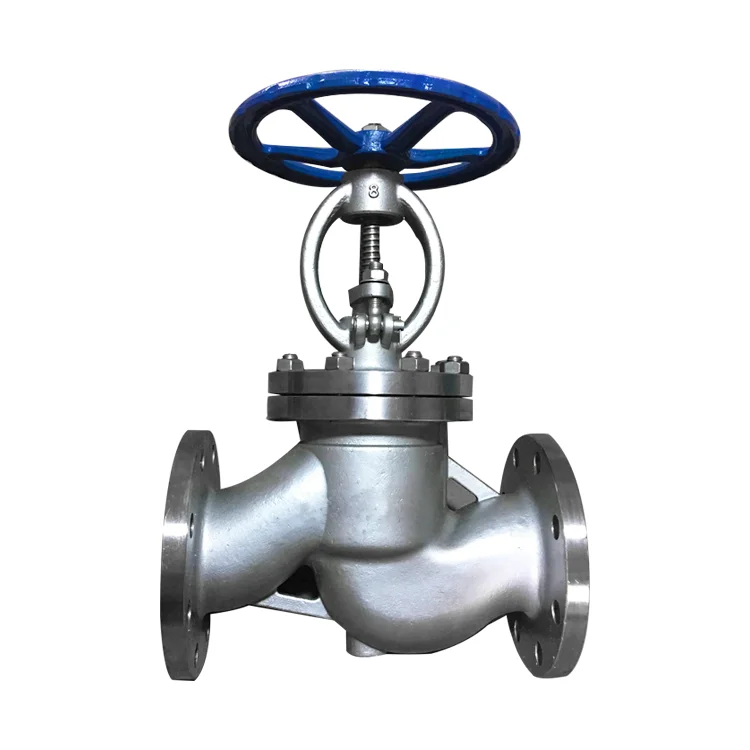
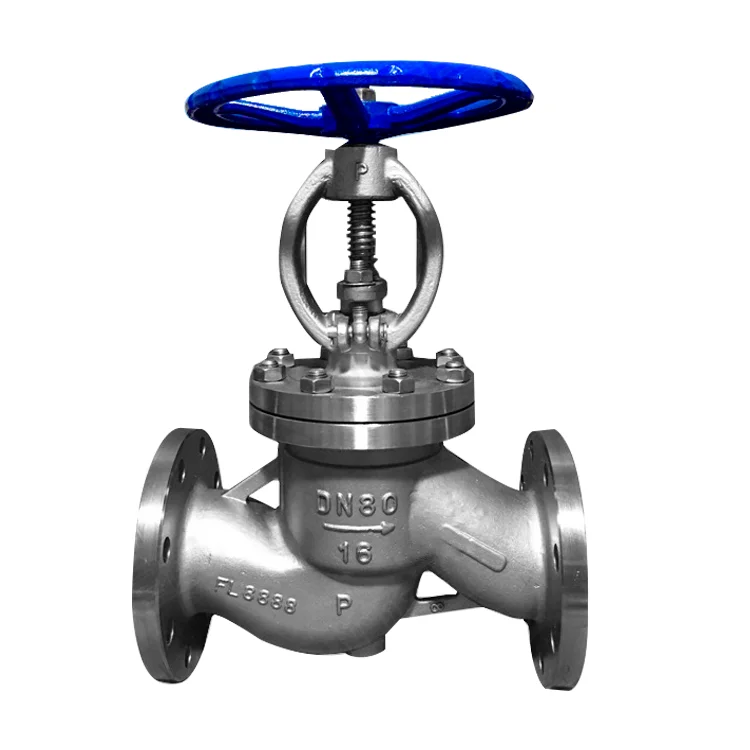
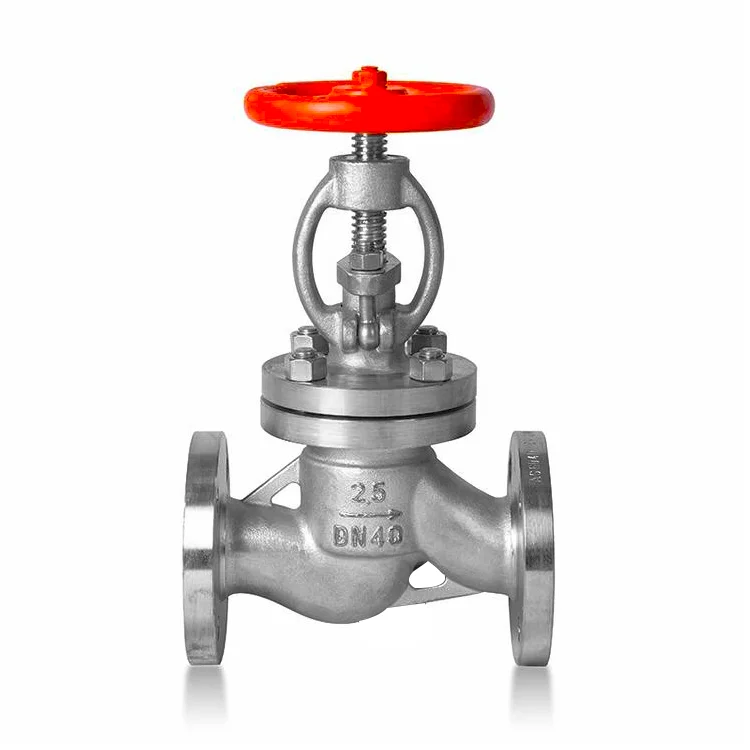
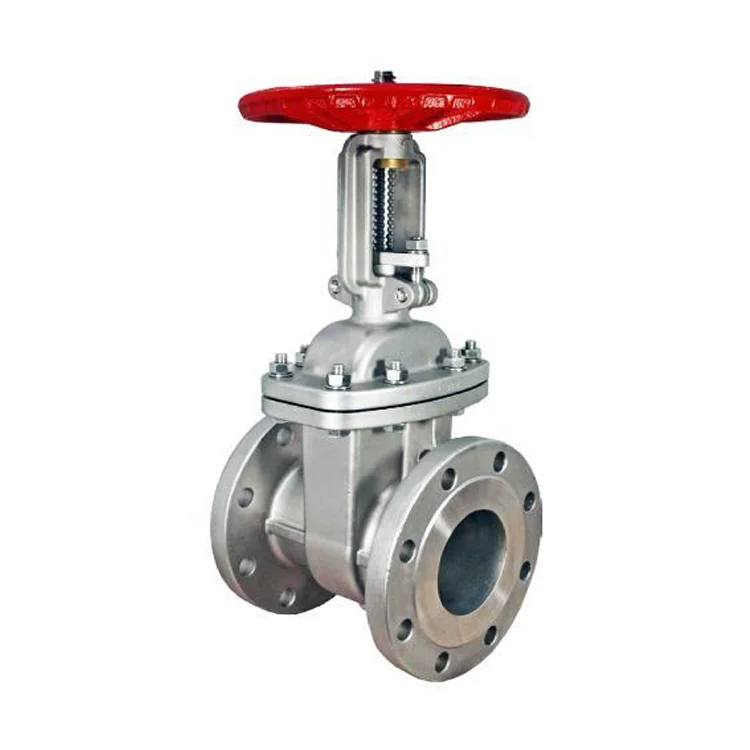
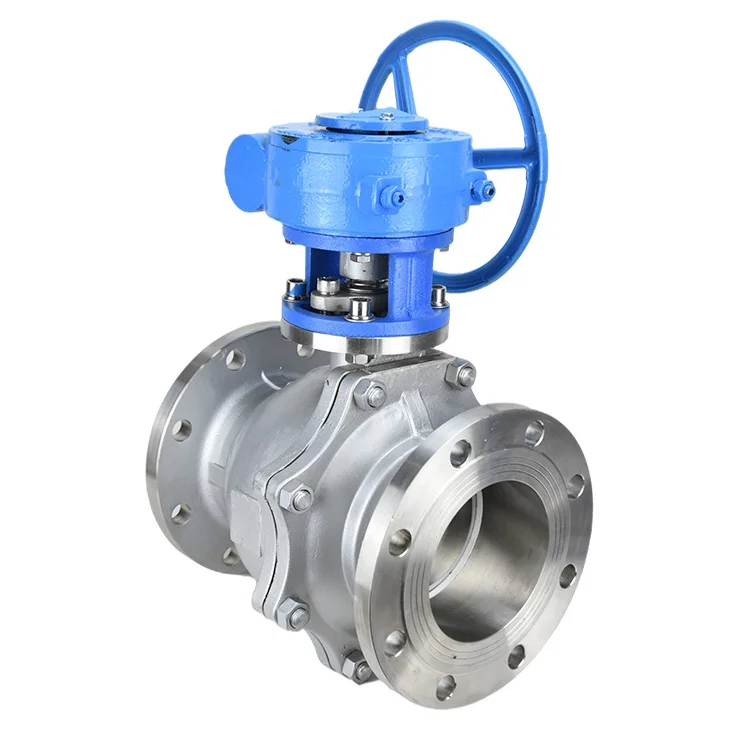
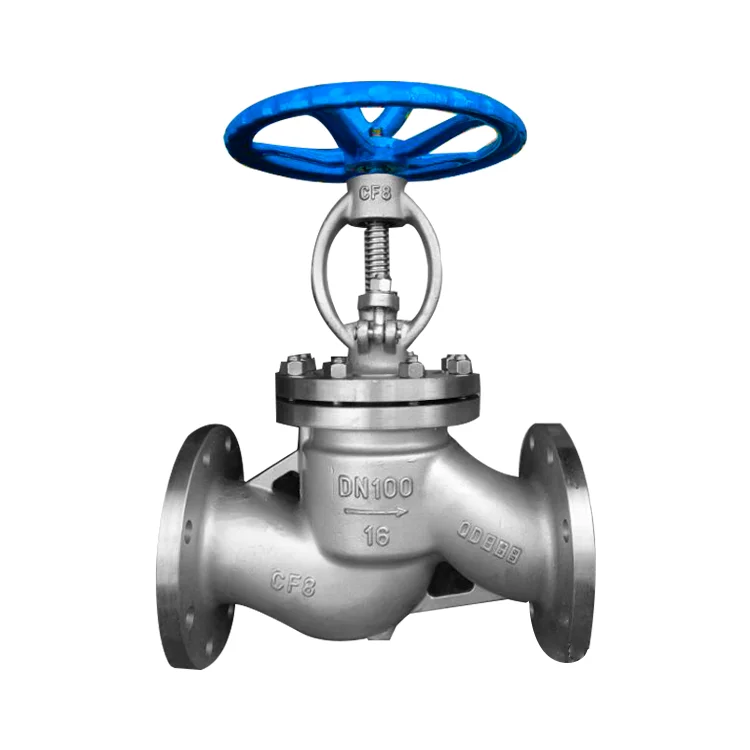
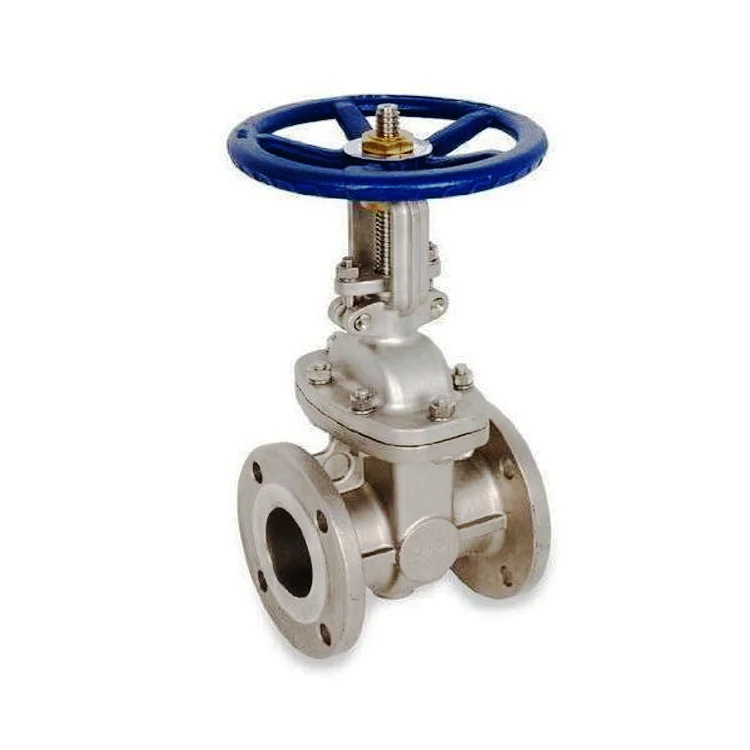
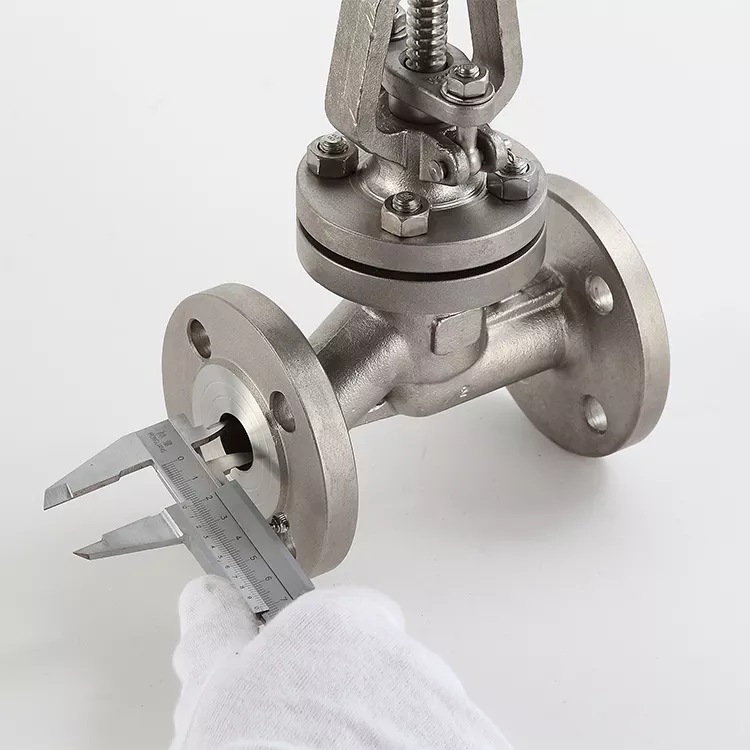
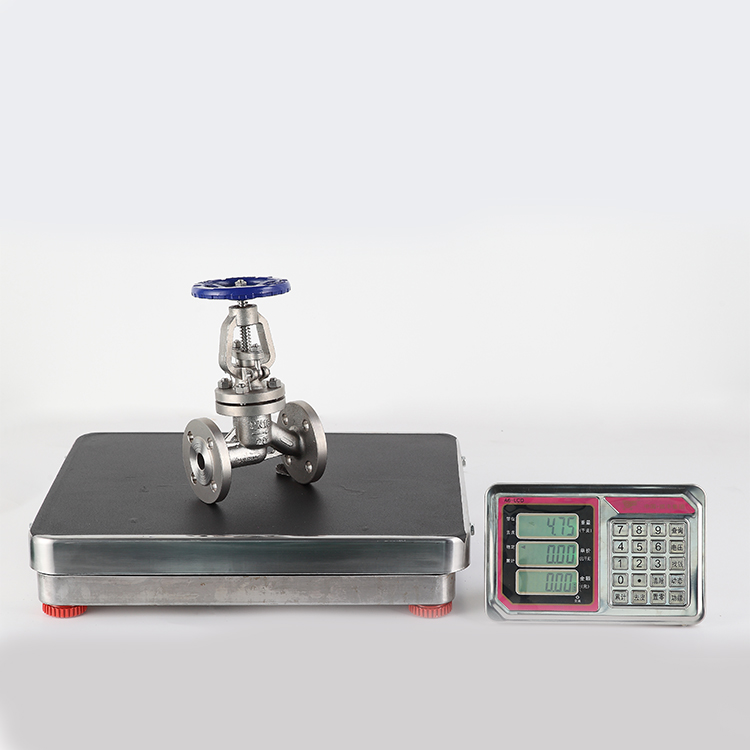
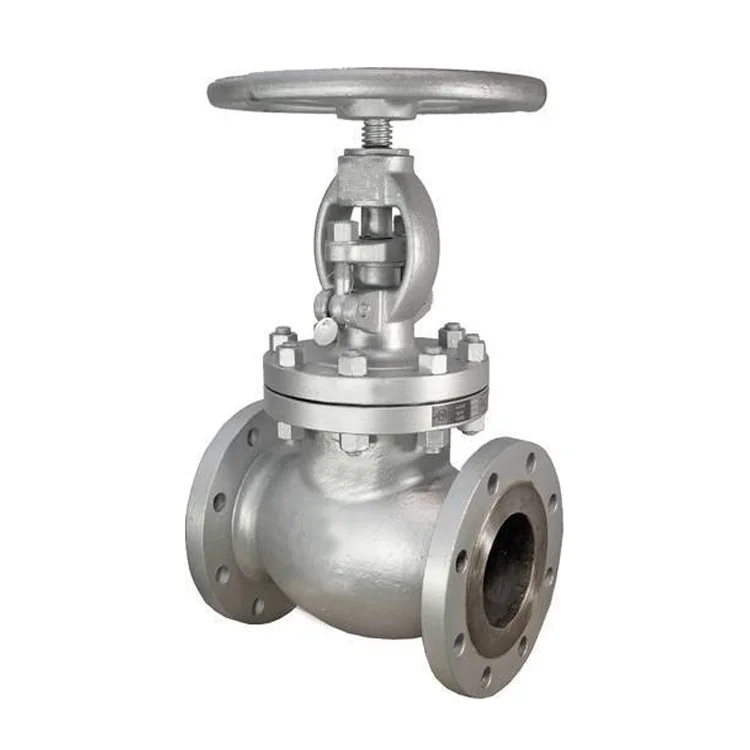
DN20 Durable Manual Control Titanium Globe Valve
DN20 Dual Manual Control Titanium Globe Valve is a robust valve designed for precise flow control of fluids or gases in demanding industrial applications. Constructed with high-quality titanium, this valve offers excellent resistance to corrosion and erosion, making it ideal for use in harsh environments. The dual manual control feature allows for accurate adjustments to the flow rate from both ends of the valve, enabling enhanced precision and flexibility in regulating fluid or gas flow.
To introduce the application of titanium alloy in ship's valves, and give an example of a Titanium Alloy Globe Valve to explain the main structural features, design and calculation of the sealing and strength performances of the Titanium Alloy Gate Valve. Paying attention to its electro-corrosion in sea water and matters in manufacturing, to indicate that Ti and titanium alloy have conspicuous advantages of light specific gravity, high strength and corrosion-resistance etc. and a vast range of prospects for application in ship and ocean engineering.
Titanium valves and titanium alloys, with their light specific gravity, high strength, corrosion resistance, good pressure resistance, and other outstanding advantages, are now widely used in aviation, cosmic development, petroleum, chemical industry, metallurgy, electric power, medicine and health, instrumentation, and other industries. To meet the needs of ocean engineering deep-sea vessels, ships, marine valves, and other fields, the valve technology network will utilize its titanium alloys in the manufacture of valves. Titanium valves, in their development process, will adopt new technologies, new materials, and new standards to regulate product design, aligning with the requirements of national policy on high-tech products. This is an emerging and promising materials application technology, thereby improving valve quality and product performance!
Corrosion resistance of titanium
Titanium Material is a highly chemically active metal, however, it exhibits particularly excellent corrosion resistance to most corrosive media. The reason for this is that titanium has a great affinity for oxygen, and when titanium is exposed to the atmosphere, or to any oxygen-containing medium, a strong and tightly packed passive oxidizing film is immediately formed on the surface. This film is very stable, and if mechanical damage occurs, it will immediately re-form (as long as a certain amount of oxygen is present).
Titanium metal has several special forms of corrosion, such as high temperature corrosion, stress corrosion, pitting corrosion, crevice corrosion, galvanic coupling corrosion, corrosion fatigue, etc., but titanium is applied to marine valves is mainly concerned about galvanic coupling corrosion.
Galvanic coupling corrosion occurs when two different metals in an electrolyte form a galvanic couple. In this situation, the corrosion of the anodic metal can be accelerated. The extent of corrosion is influenced by the electrode potential difference between the two materials, as well as the area ratio of the anode and cathode, and the polarization characteristics of both. Titanium behaves differently from typical materials in that it is passive in many media and exhibits a potential similar to that of passive 18-8 stainless steel. In seawater, the potential of titanium is -0.10V (relative to a saturated calomel electrode). When titanium is in contact with Monel alloys, Hastelloy C, 18-8 stainless steel, and aluminum-bronze tube sheets with added nickel, there is a very small potential difference, and galvanic coupling corrosion does not occur. However, also in seawater, when titanium is in contact with aluminum, zinc, and carbon steel, the aluminum and zinc corrode. Nevertheless, their corrosion rate is lower than that caused by contact with stainless steel. The degree of corrosion of these metals varies with the ratio of the surface area of titanium to that of the metal in contact with titanium. When the ratio of the surface area of the metal in contact with titanium to that of titanium is 1:10 (i.e., the anode to cathode area ratio is 1:10), the contacted metal corrodes rapidly. Conversely, when the surface area ratio of the metal in contact with titanium to titanium is 10:1, the corrosion rate is significantly reduced.

Yes, we are a manufacturer for 15 years. Our factory is in Baoji. We provide production, processing and customization services for titanium materials.
2.How to ensure the quality of your products?
ISO9000, client requirements, product standards, strict inspection to control raw material, production process and final products
3.How long do you need the delivery time?
1) Supply within 5-10 days (product in our stock list) 2) Custom products need to be calculated according to the quantity

