
Product Introduction
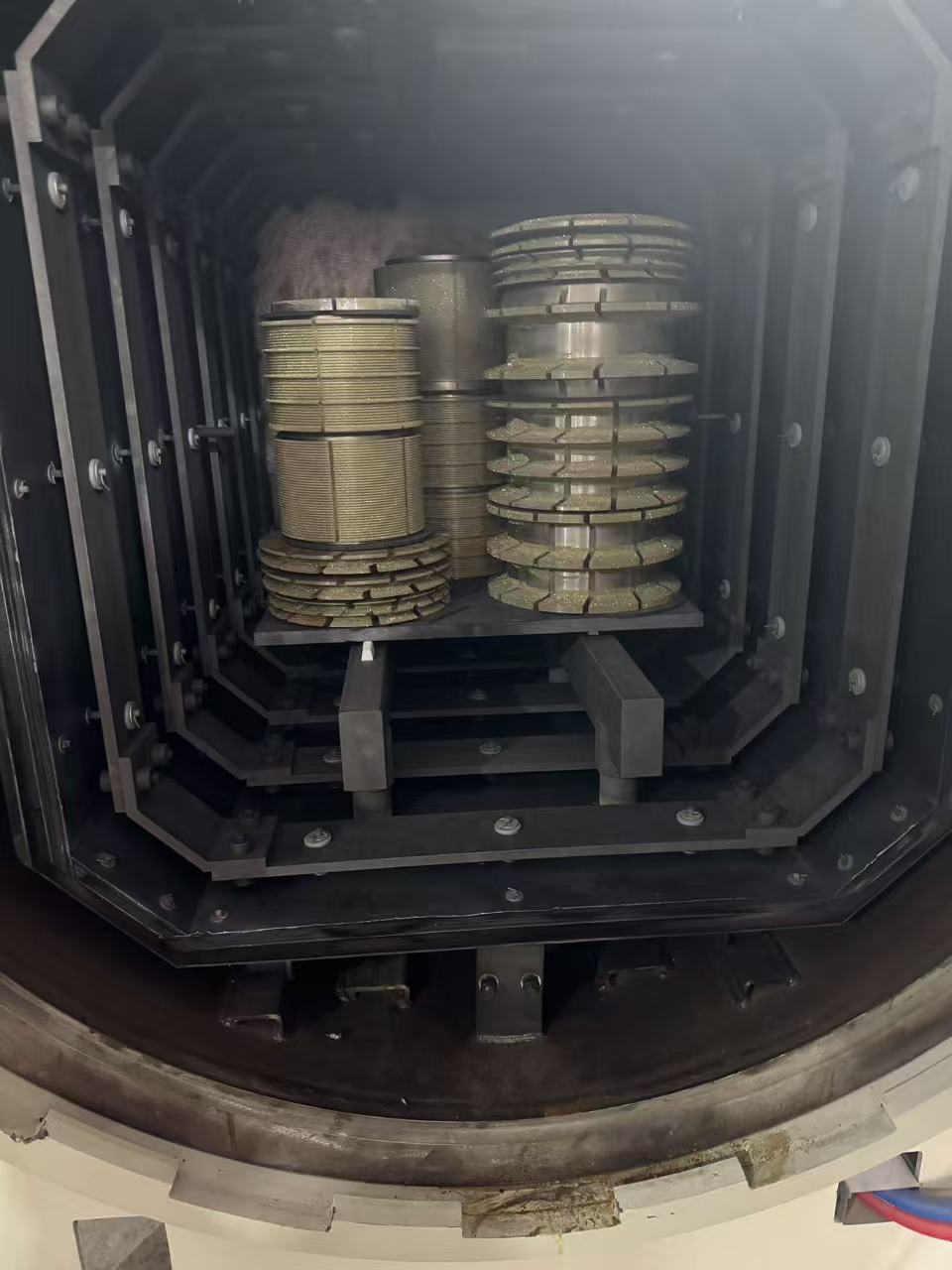
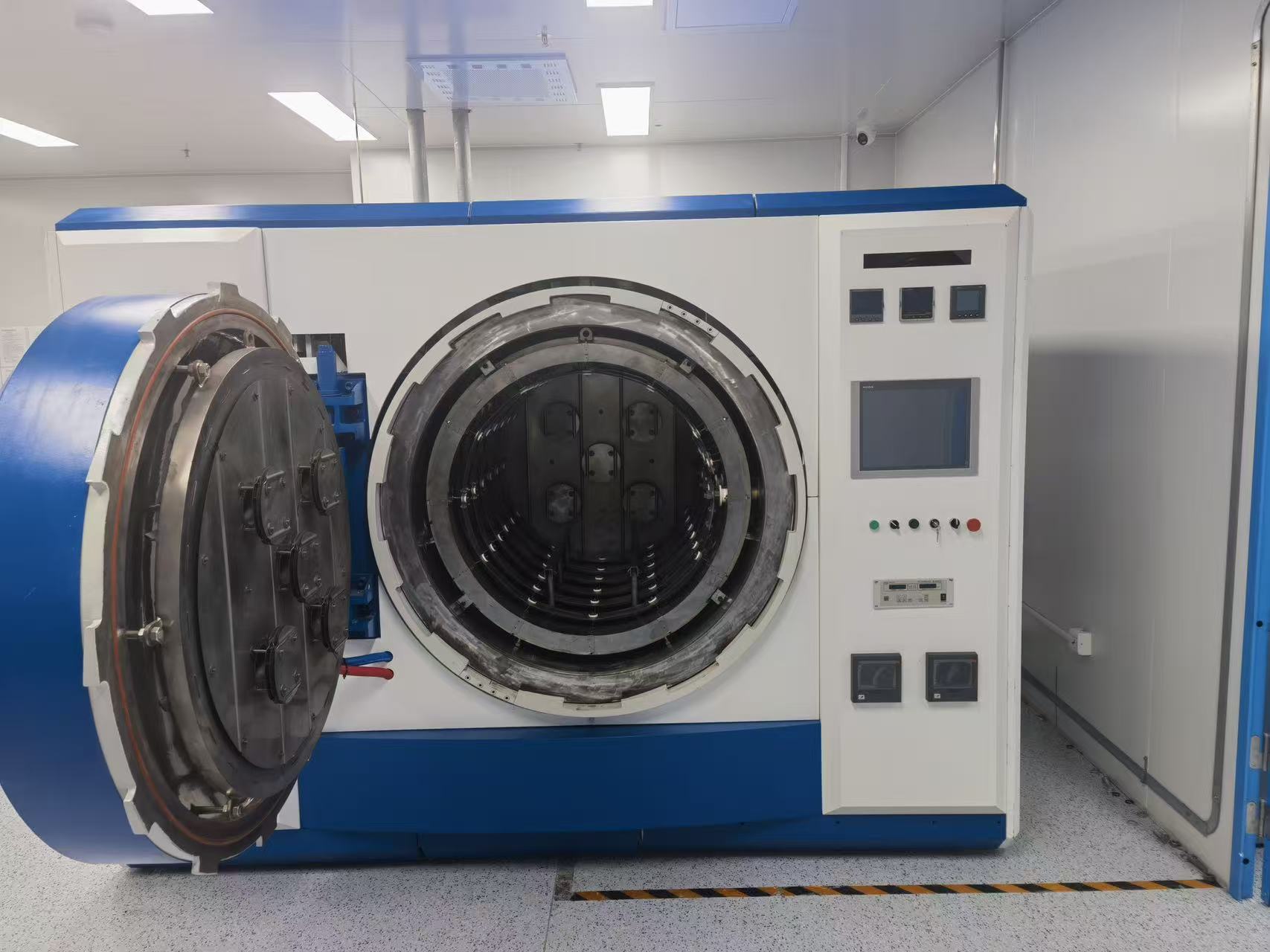
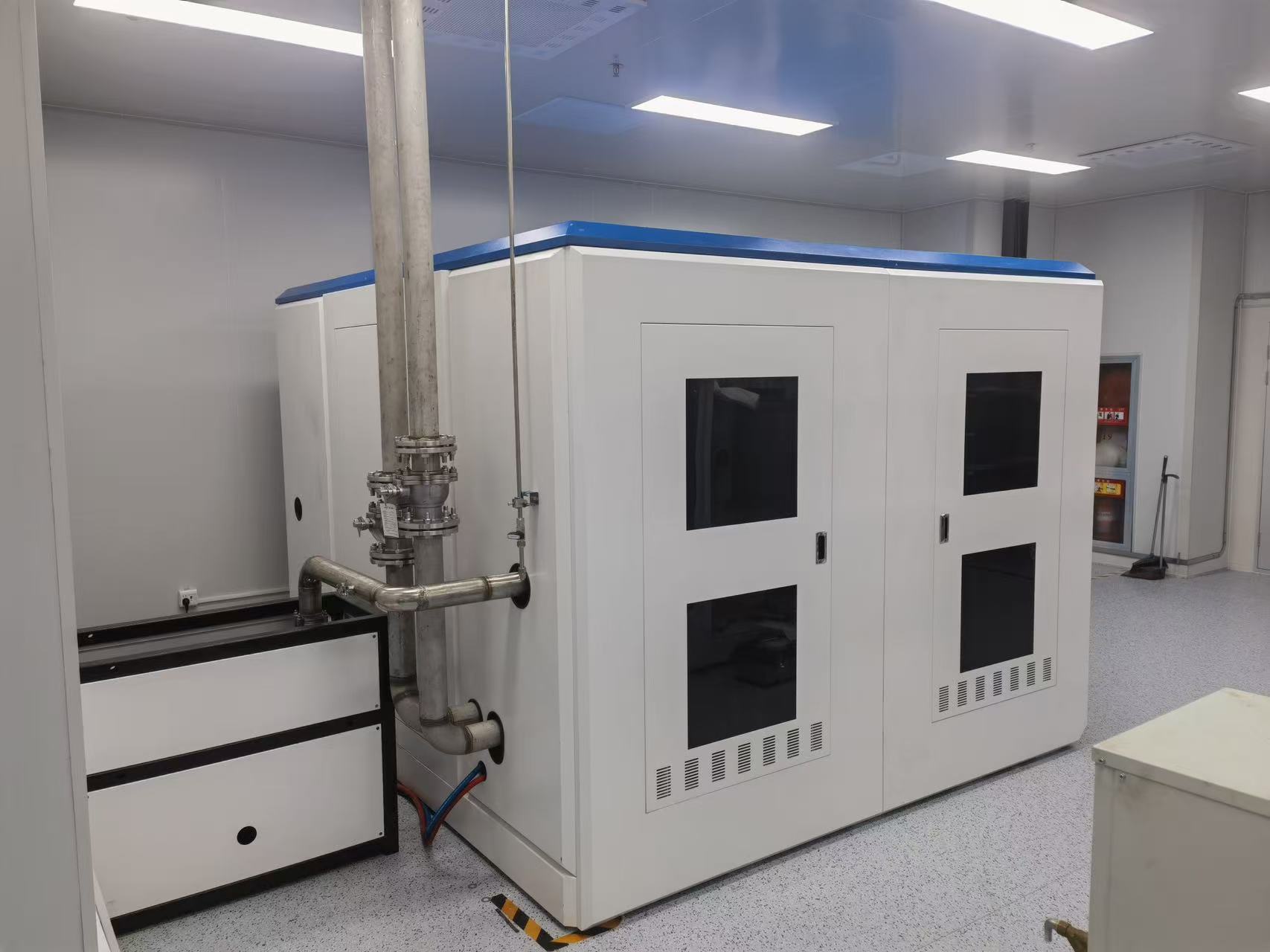
This series of all-metal debinding and sintering integrated furnaces is specially designed by our company for Metal Injection Molding (MIM), powder metallurgy industry, and binder jetting3DMetal Printing (Binder Jetting) is a vacuum degreasing and sintering integrated equipment developed by, mainly suitable for active metal materials such as titanium and titanium alloys. The equipment adopts a double-layer water-cooled sealed shell structure, using silver belts as heating elements, combined with multi-zone independent temperature control technology, to achieve excellent temperature uniformity. The degreasing process supports dual modes of vacuum degreasing and partial pressure degreasing. The gas delivery adopts a multi-channel laminar flow design, which results in better degreasing and off-gassing effects. This series of equipment is the preferred equipment for the degreasing and sintering integrated process in the powder metallurgy industry.
Technical Features
Debinding and Sintering Integration: Hot debinding (hot debinding after catalytic debinding or direct hot debinding) and high-temperature sintering are completed in the same furnace, avoiding transfer contamination, shortening the process chain, and improving production efficiency.
Double-Layer Water-Cooled Sealed Shell: The outer shell is forced water-cooled, with a low surface temperature; the all-metal sealed structure can withstand higher debinding atmosphere pressure and vacuum, adapting to the strict atmospheric requirements of active materials such as titanium alloys.
Silver Belt Multi-Zone Independent Temperature Control: Silver-based alloy heating belts are used for stable heating and good oxidation resistance; multi-zone independent control effectively eliminates temperature differences within a single zone, ensuring uniform temperature for large-sized or complex-shaped workpieces.
Dual-Mode Debinding (Vacuum+Partial Pressure): Vacuum debinding (to remove binder decomposition gases) or partial pressure debinding (introducing a small amount of inert gas to assist in off-gassing) can be selected and flexibly adjusted according to the binder type, reducing residual carbon or ash.
Multi-channel laminar flow gas system: Gas flows horizontally across the surface of the workpiece from multiple inlets, avoiding dead zones in airflow, making degreasing and off-gassing more thorough, and the sintering atmosphere more uniform, especially suitable for high-load batch processing.
Suitable for Titanium and Titanium Alloys: High vacuum and precise atmosphere control can effectively inhibit the oxidation and hydrogen absorption of titanium alloys at high temperatures, ensuring the mechanical properties and purity of the sintered materials.
Application fields
Metal Injection Molding (MIM): Suitable for titanium alloys (Ti-6Al-4V etc.), stainless steel, low alloy steel, etc.MIMIntegrated production of degreasing and sintering of parts.
Binder Jetting3DMetal Printing: ForBJDebinding and sintering of green bodies of technically formed titanium alloys, copper alloys, etc., achieving full densification while maintaining complex geometric shapes.
Powder metallurgy structural parts: Degreasing and sintering of high-precision powder metallurgy products such as automotive parts, medical devices, watch cases, and eyeglass frames.
Special for titanium and titanium alloys: Batch sintering of titanium components in aerospace, biomedical (bone implants, dental prosthetics), and chemical equipment.
Metal Fiber or Porous Materials: Debinding and sintering of metal fiber felt, porous filters, etc.
Product advantages
Simplified Production Process: Debinding and sintering are completed in one step, eliminating intermediate handling and furnace loading, reducing equipment investment and labor costs, and shortening the delivery cycle.
Improved Debinding Quality: Multi-channel laminar flow gas combined with dual-mode debinding ensures more thorough binder removal, reducing post-sintering defects such as carbon residue, blistering, or cracking, with particularly significant effects on complex thin-walled parts.
High temperature field uniformity: Multi-zone silver belt heating method ensures small temperature differences within the entire furnace, leading to good consistency in sintering shrinkage rates among batch workpieces and improving yield.
Suitable for Active Metals (Titanium): High vacuum and multi-atmosphere control capabilities ensure controllable oxygen and hydrogen content after titanium alloy sintering, with mechanical properties meeting medical and aerospace standards.
Safety and Cleanliness: The all-metal hot zone avoids powder contamination from insulation materials; the double-layer water-cooled structure and complete safety interlock system (over-temperature, water pressure, vacuum, abnormal atmosphere alarms) ensure reliable operation.
High Production Efficiency: The integrated process combined with reasonable loading capacity allows for processing large batches of green bodies per furnace, suitable for batch industrial production.


