
IP68 sealed splice closures for aerial poles, building walls, underground manholes and direct-buried routes. 12–576 core dome & horizontal types, delivered to telecom projects across Latin America.
A fiber optic splice closure (FOSC) is the sealed enclosure that protects fused fiber joints in outdoor networks. Choosing the right closure shape, sealing method and port configuration is the difference between a network that survives 20 years of rain, heat and vibration — and one that fails after the first monsoon.
At Ningbo Deju Electronic Technology Co., Ltd., we design splice closures for real-world Latin American deployments — from the rainy Amazon duct routes to the coastal poles of Chile and the high-altitude manholes of the Andes.
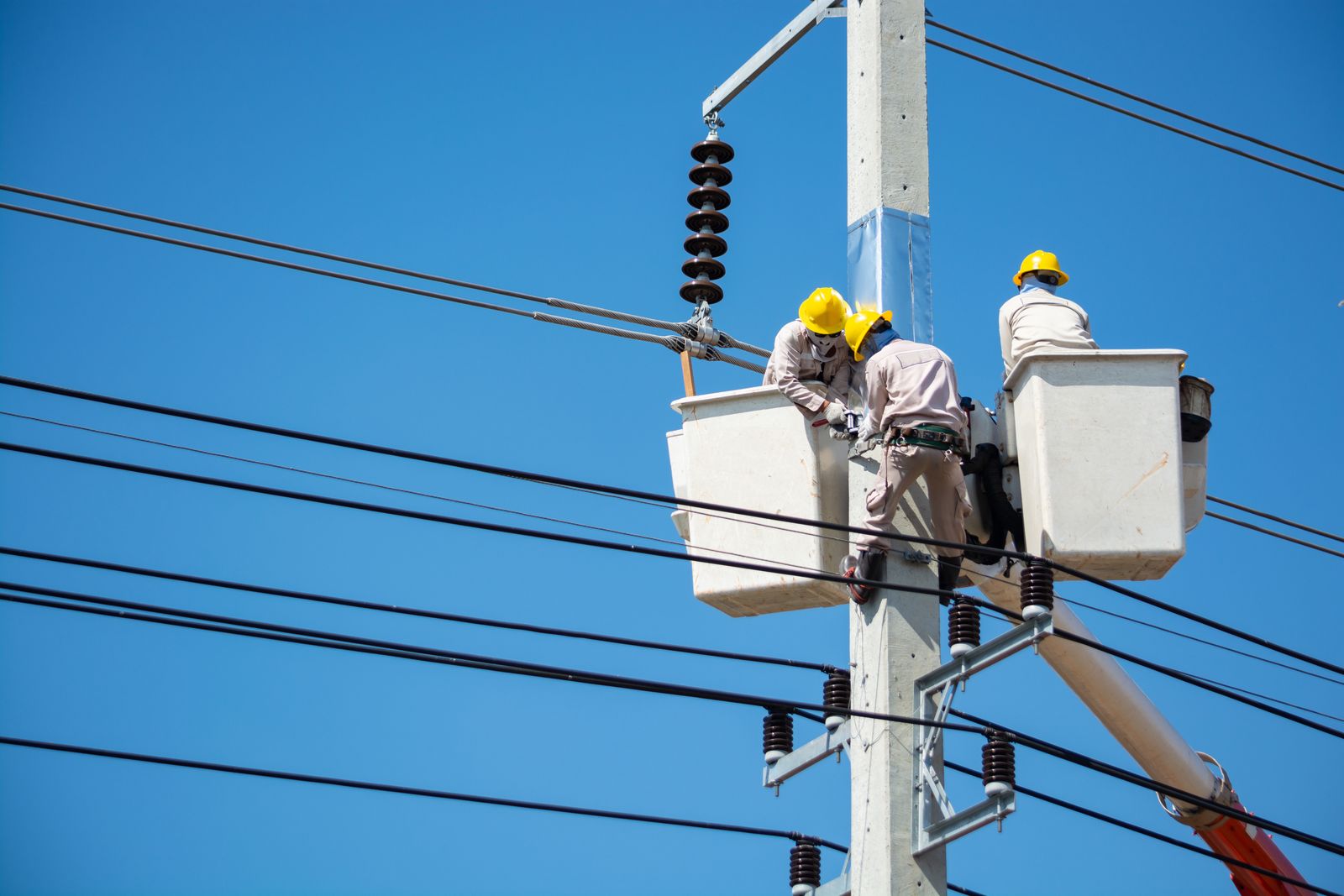
Best for: Overhead FTTH distribution, rural broadband, cable TV networks, quick repair joints.
Pole-mounted closures must be lightweight, UV-resistant and securely strapped to wooden, concrete or steel poles. Our dome (vertical) closures and compact horizontal inline closures are the most common choices for aerial work — they hang under the messenger wire without swinging in the wind.
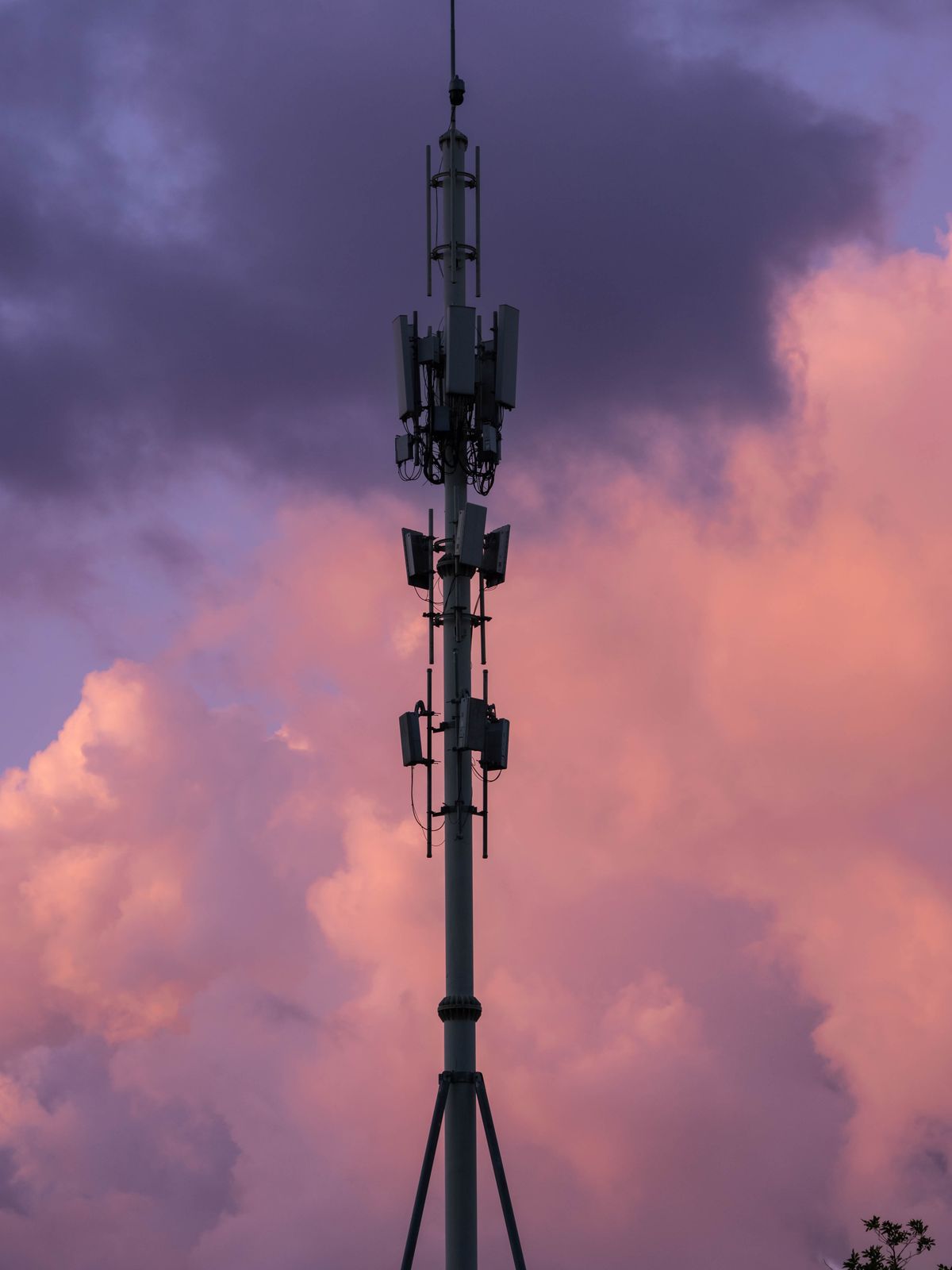
Best for: FTTB entry points, multi-dwelling unit (MDU) entrances, office building fiber terminations, campus networks.
Wall-mount closures are installed on the exterior wall of buildings, parking garages or telecom cabinets. They need a neat, compact footprint and a re-enterable seal — because buildings are frequently re-wired.

Best for: Underground feeder routes, metro rings, city duct networks, handhole pits.
Buried and manhole closures face the harshest environment: standing water, soil pressure, temperature cycling and rodents. They must be IP68, pressure-tested and housed in a reinforced polymer or PC+ABS shell.
Beyond where the closure goes, how you splice inside it drives tray design.
Fusion-spliced fibers are stored on modular splice trays. Our closures support:
Best for: Long-haul and metro feeder cables that should not be re-opened frequently.
When a feeder cable must be split without dropping the whole line, our 1-inlet multi-outlet closures (dome types with 4–6 ports) let field crews open the feeder jacket, extract the needed fibers, and leave the rest intact.
Best for: FTTH PON distribution where new homes are added over time.
| Sealing Type | Best For | Re-openable? |
|---|---|---|
| Mechanical seal (M) | Networks that will expand, re-enterable joints, FTTH distribution | Yes — reusable |
| Heat-shrink seal (S) | Permanent backbone splices, cost-sensitive projects | No — one-time |
We supply both. Tell us whether your network will grow or stay static, and we will recommend the right sealing.
We have shipped splice closures to distributors, integrators and telecom contractors across:
| Country | Typical Deployment | Closure Type |
|---|---|---|
| 🇧🇷 Brazil | MDU FTTH upgrades, urban duct | 24–96 core horizontal |
| 🇨🇱 Chile | Metro ring, coastal buried | 96–288 core horizontal |
| 🇵🇪 Peru | Desert coastal FTTH, Lima ducts | 48–144 core dome |
| 🇦🇷 Argentina | Aerial rural broadband | 12–48 core dome & horizontal |
| 🇪🇨 Ecuador | Rural pole routes near Guayaquil | 24–48 core dome |
| 🇨🇴 Colombia | Mountainous aerial networks | 24–96 core horizontal |
| 🇵🇾 Paraguay | Humid Chaco climate aerial | 48–96 core IP68 closure |
| 🇧🇴 Bolivia | High-altitude Andean manholes | 96–144 core horizontal |
All products are CE / RoHS certified, support OEM private labeling, and ship from Ningbo to major Latin American ports (Callao, Valparaíso, Santos, Guayaquil, Buenaventura).
Tell us:
We will recommend the exact SKU and send a sample within 7 days.